Ground realities
Source Entity
Latest News: Todays Latest News Headlines from India & World | Hindustan Times | Hindustan Times
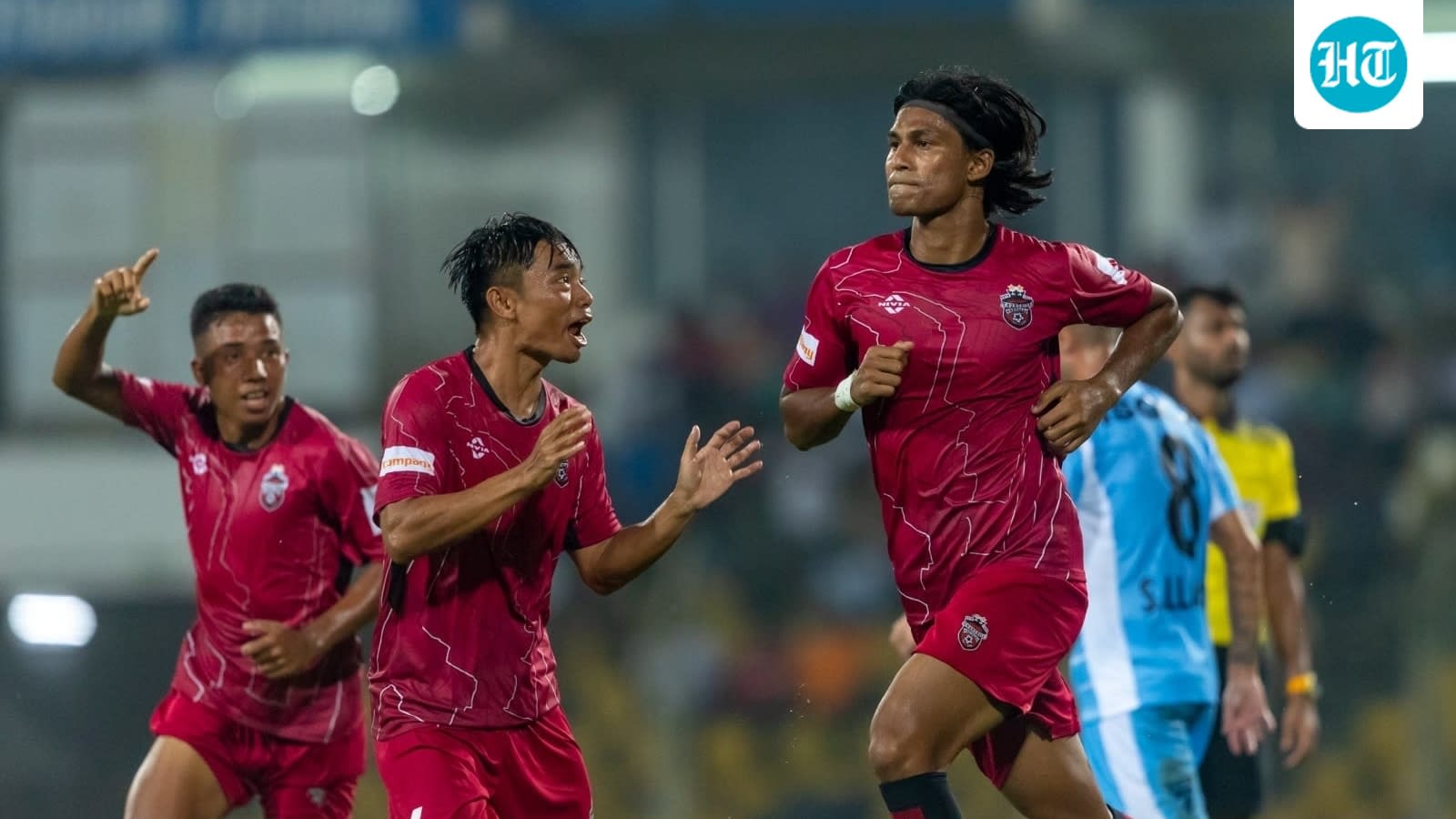
Inter Kashi's transition to the Indian Super League has been marked by significant logistical challenges in securing a home venue. The club's reliance on distant stadiums underscores the growing infrastructural burdens placed on newer franchises.
The Nomad’s Burden: Inter Kashi’s ISL Reality Check
The recent entry of Inter Kashi into the Indian Super League (ISL) has highlighted a critical intersection between professional club ambitions and the harsh realities of sports infrastructure in India. As the club transitioned from the I-League, where they were based in Kalyani, to the premier ISL stage for the 2025-26 season, the search for a home venue became a desperate, cross-country endeavor. After exploring options in Kolhapur, Guwahati, and Ranchi, the club eventually secured a venue in Pune—a location nearly 1,500 kilometers away from their home base in Varanasi.
The Logistical and Cultural Disconnect
This geographic displacement is more than a mere travel inconvenience; it represents a fundamental struggle for community integration. When a club plays its "home" matches in a city where it lacks a pre-existing fan base, the identity of the team suffers. This was starkly evident during their inaugural ISL home match against the Kerala Blasters, where the atmosphere was dominated by the traveling supporters of the away side. For a club in its infancy, failing to secure a local stronghold can stifle the growth of the organic fan culture necessary for long-term sustainability.
Evolving Stakes in the ISL
Manolo Marquez’s recent observations regarding club responsibilities underscore a shifting paradigm in Indian football. As the ISL expands and professionalizes, the burden on clubs has increased exponentially. It is no longer enough to simply field a team; franchises are now expected to manage complex logistical operations, stadium maintenance, and community outreach. Inter Kashi’s struggle is symptomatic of a broader trend where clubs are being asked to shoulder more administrative responsibility than ever before, often without the corresponding infrastructural support from host cities.
Historical Context of Club Migration
Indian football has a long history of nomadic clubs, but the stakes have changed. In previous eras, shifting venues was often a matter of convenience or sponsorship; today, it is a structural necessity driven by the high standards of the ISL. The fact that the Pune stadium had not hosted an ISL match for years speaks to the underutilization of existing sports assets in India, suggesting that the problem lies not just with the clubs, but with the lack of available, top-tier venues that meet modern professional requirements.
Future Trends and Strategic Implications
Looking ahead, the case of Inter Kashi serves as a cautionary tale for future expansion franchises. The "nomadic state" of a club is unsustainable in a league that demands deep regional roots to drive broadcasting numbers and ticket sales. Future growth will likely depend on a more collaborative model between city administrations and football clubs to ensure that stadiums are not just venues, but homes. Without local connectivity, the financial and competitive risks for clubs will continue to escalate, potentially threatening the stability of the league's newest entrants.
Conclusion
Inter Kashi’s journey from Varanasi to Pune is a microcosm of the growing pains currently affecting the ISL. While the club’s inclusion in the league is a testament to their competitive growth, the search for a home underscores the need for a more robust national strategy regarding stadium infrastructure. For Inter Kashi, the challenge remains: to transform a distant, unfamiliar stadium into a true home ground, or risk becoming a permanent nomad in a league that demands stability.
Verification Required?