Para-shuttlers challenge Para Asian Games non-selection in Delhi HC
Source Entity
TANUJ LAKHINA
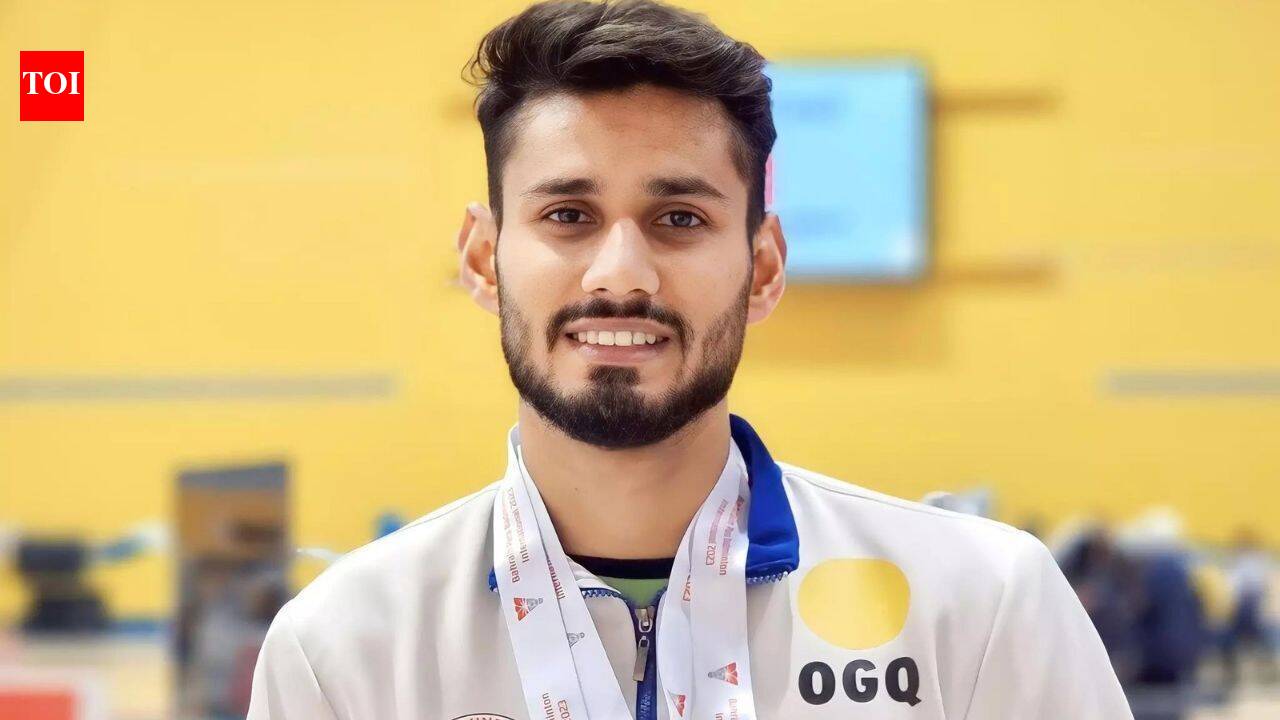
Para-badminton players, including Chirag Baretha, have petitioned the Delhi High Court over their exclusion from the 2026 Asian Para Games. The athletes allege procedural irregularities by the Sports Authority of India, while the Badminton Association of India claims it merely followed the SAI-provided list.
Legal Challenge Over 2026 Asian Para Games Selection
The Core Dispute
A group of elite para-shuttlers, led by decorated athlete Chirag Baretha, has initiated legal action in the Delhi High Court, challenging their omission from India’s contingent for the 2026 Asian Para Games. The petitioners, who hold significant rankings and medal histories, argue that they strictly adhered to the selection criteria established by the Sports Authority of India (SAI). Despite their accomplishments and compliance with stated guidelines, these athletes contend that their exclusion is the result of procedural irregularities and a lack of transparency that threatens to derail their athletic careers.
Allegations of Procedural Irregularity
The heart of the petition centers on the role of specific administrators in the selection process. The athletes have pointedly identified K. Prabhakar Rao, alleging that his actions have unfairly impacted their professional trajectories. According to the petitioners, there is a stark disconnect between the objective merit-based criteria promised by the governing bodies and the actual selection outcomes. This has led to accusations of bias, suggesting that the selection process lacked the necessary oversight to ensure that the nation’s most deserving representatives were chosen for international competition.
The Role of Governing Bodies
In response to these allegations, the Badminton Association of India (BAI) has distanced itself from the decision-making process. Officials from the BAI maintain that they did not exercise independent discretion in including or excluding specific athletes. Instead, they claim to have operated strictly as an implementing body, following a list provided directly by the Sports Authority of India. This shifting of responsibility highlights a significant administrative friction between national sporting federations and government oversight bodies, leaving athletes caught in a bureaucratic deadlock.
Broader Implications for Para-Sports
This conflict raises critical questions about the governance of para-sports in India. As the country continues to invest more in inclusive athletics, the demand for transparent, meritocratic selection processes becomes paramount. When elite athletes—who have dedicated years of intense training and personal sacrifice—feel that their efforts have been undermined by opaque administrative decisions, it damages the integrity of the entire sporting ecosystem. The Delhi High Court’s intervention will be a litmus test for how accountability is enforced within these organizations.
Historical Context and Future Trends
Historically, the transition from local to international selection has been a point of contention in Indian sports, often marred by allegations of favoritism. The current situation involving the 2026 Asian Para Games underscores a growing trend where athletes are increasingly willing to utilize the judiciary to challenge administrative decisions. Moving forward, it is likely that sports federations will face heightened pressure to implement digital, data-driven, and publicly verifiable selection protocols to prevent such litigation and ensure that the spirit of fair play remains the cornerstone of Indian athletic representation.