A big voter turnout tells how many voted in an election. It may not answer the ‘why’
Source Entity
Latest News: Todays Latest News Headlines from India & World | Hindustan Times
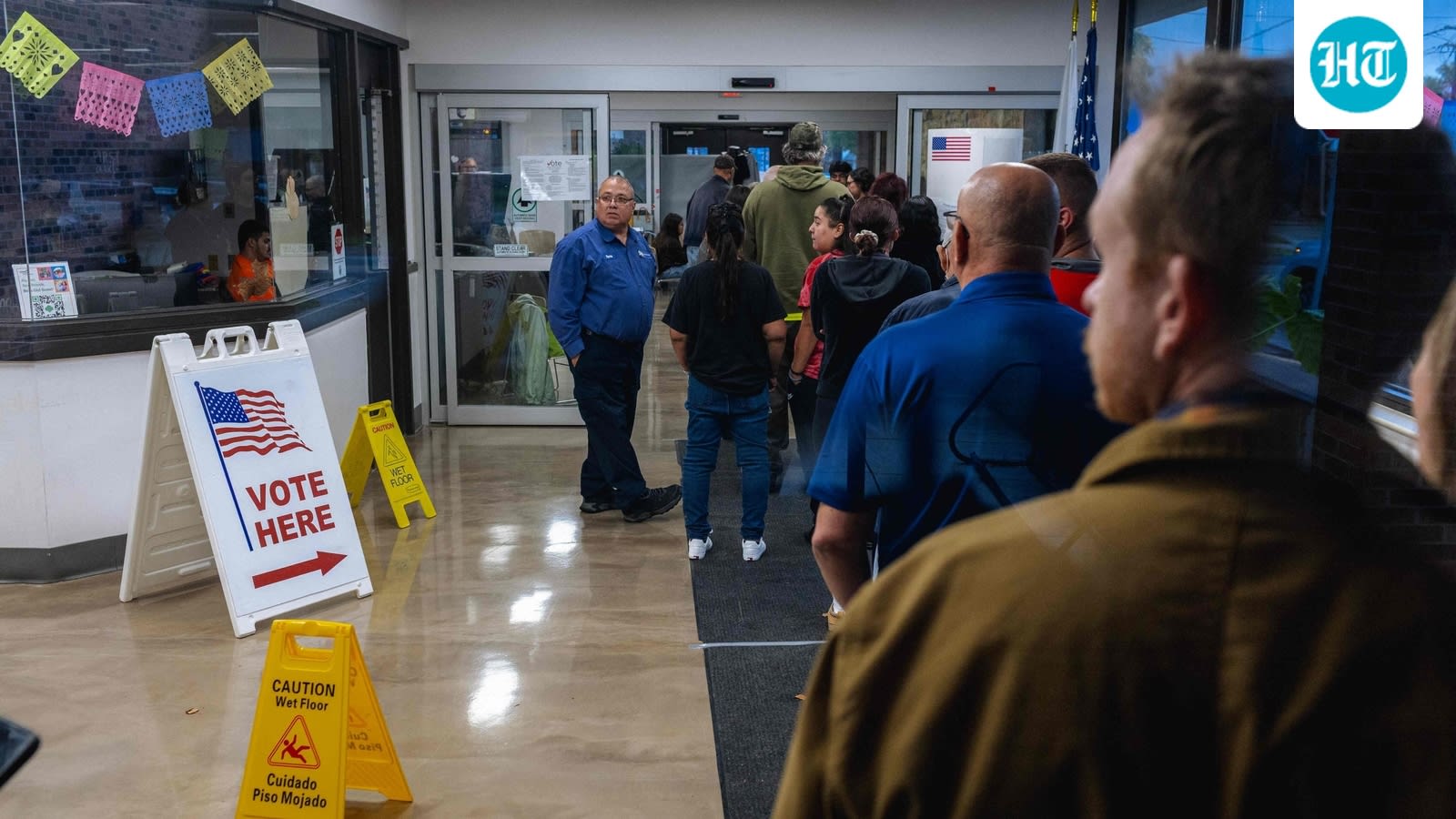
Recent high voter turnouts in four global elections underscore the complexity of interpreting civic engagement. Experts warn that large numbers do not inherently signal a specific verdict on incumbent leadership.
The Paradox of High Voter Turnout
Recent electoral cycles across the globe have highlighted a persistent challenge for political analysts and commentators alike: interpreting the meaning behind high voter turnout. Between October 25 and November 3, 2026, four national elections saw significant participation, yet the raw data provided by these events serves as a reminder that quantitative engagement does not always correlate with a singular, predictable narrative regarding the electorate’s intent.
The Illusion of a Mandate
It is a common reflex for political observers to interpret massive queues at polling stations—such as those seen at the Joe E. Amayo Argentine Community Center in Kansas City—as a clear, binary verdict on the performance of an incumbent. However, historical and academic research suggests that this assumption is often flawed. Turnout is a multifaceted metric influenced by institutional rules, the intensity of political mobilization, and socioeconomic factors, rather than merely being a referendum on current leadership.
Case Study: Brazil’s Compulsory System
Brazil provides a quintessential example of these complexities. In the October 25 presidential runoff, where voting is a legal requirement for most adults, electoral figures compiled by IFES indicated an 80.78% turnout. While this high participation resulted in a fourth term for incumbent Luiz Inácio Lula da Silva over challenger Flávio Bolsonaro, the compulsion factor makes it difficult to isolate whether the turnout reflects fervent support for the incumbent, a reaction to the opposition, or simply compliance with the law.
The Global Analytical Gap
Political scientists have long argued that a high turnout figure, on its own, is an insufficient guide to the 'why' behind the vote. Across different democratic systems, studies have shown mixed results regarding the correlation between high participation and electoral outcomes. While some elections see high turnout driven by an 'anti-incumbent' sentiment, others see high numbers driven by incumbent-led mobilization efforts or systemic changes in voting accessibility.
Future Trends in Election Analysis
As we look forward, the reliance on headline turnout numbers to forecast political stability will likely become increasingly unreliable. Future analysis must move toward a more granular understanding of voter behavior, incorporating exit polling and demographic breakdowns to ascertain the motivations behind participation. Relying on turnout as a 'verdict' risks oversimplifying the democratic process and misinterpreting the nuanced grievances or hopes of the electorate.
Conclusion
In conclusion, while the high turnout observed in these recent elections demonstrates a robust engagement with the democratic process, it remains an ambiguous indicator of political sentiment. Observers should approach such data with caution, recognizing that the act of voting is a complex behavior that cannot be distilled into a simple measure of approval or disapproval for those currently in power.
Verification Required?