Oil, LNG, fertilisers and maybe diamonds: What is at risk from Iran’s wider blockade threat
Source Entity
TOI BUSINESS DESK
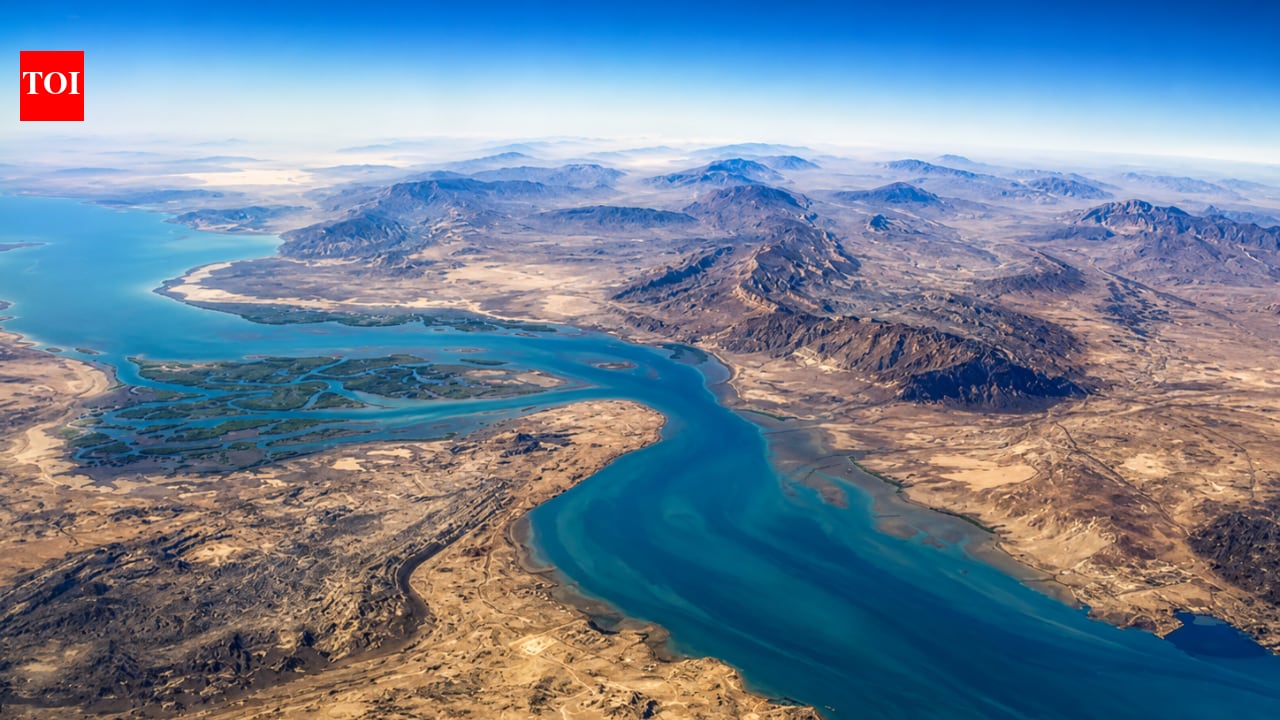
Iran has warned of expanding trade disruptions beyond the Strait of Hormuz, threatening critical global flows of oil, LNG, fertilizers, and diamonds, particularly impacting Asian economies amid escalating tensions with the United States.
The Geopolitical Ripple Effect: Analyzing Iran's Expanded Blockade Threats
Iran has issued a stark warning regarding the potential for wider trade disruptions that extend beyond the traditional chokepoint of the Strait of Hormuz. This escalation comes at a time of heightened volatility, as the United States continues to conduct strikes against Iranian capabilities, triggering a cycle of retaliation. The threat is not merely a regional skirmish but a strategic signal to the global community that Iran is willing to leverage its geographic positioning to exert pressure on international markets and diplomatic actors.
The Criticality of the Strait of Hormuz and Beyond
Historically, the Strait of Hormuz has been the primary focal point of Iranian maritime threats due to its status as the world's most important oil transit chokepoint. A significant portion of the world's total oil consumption and a vast majority of liquefied natural gas (LNG) from Qatar pass through this narrow waterway. However, the current threat of a "wider blockade" suggests that Iran may target alternative routes or employ asymmetric tactics in the Arabian Sea or the Gulf of Oman. Such a move would essentially create a "danger zone" that extends far beyond the immediate mouth of the Persian Gulf, complicating shipping logistics and increasing insurance premiums for all vessels in the region.
Diversified Risks: From Energy to Fertilisers and Diamonds
While oil and LNG are the most immediate concerns, the inclusion of fertilisers and diamonds in the risk assessment highlights the multifaceted nature of the threat. Fertilisers are critical for global food security; any disruption in the export of ammonia or urea from the region could lead to a spike in agricultural costs worldwide, potentially triggering food inflation in developing nations. The mention of diamonds refers to the complex trade routes that often intersect with regional hubs. By threatening a diverse array of commodities, Iran demonstrates an intent to disrupt not just energy markets, but the broader economic stability of its adversaries and their allies.
Asia's Vulnerability and the Economic Stakes
Asia stands as the most exposed region to these threats, as nations like China, India, Japan, and South Korea rely heavily on Middle Eastern energy imports to fuel their industrial growth. For these economies, a blockade is not just a price issue but a national security crisis. The potential for sudden supply shocks could lead to severe energy shortages, forcing these nations to seek expensive alternatives or dip into strategic reserves. This dependency creates a precarious diplomatic balancing act for Asian powers, who must navigate their relationships with both the United States and Iran to ensure the uninterrupted flow of essential resources.
The Cycle of Escalation and US Intervention
The current tension is inextricably linked to US military actions aimed at degrading Iranian capabilities. The US strategy of "maximum pressure" and targeted strikes is designed to deter Iranian aggression, but from Tehran's perspective, these actions justify a retaliatory stance in the maritime domain. This "shadow war" has evolved from clandestine cyber-attacks and proxy conflicts into overt threats against global trade. The risk of a miscalculation is high; a single incident involving a commercial tanker could spiral into a full-scale naval confrontation, further destabilizing an already fragile global economy.
Future Outlook: Market Volatility and Strategic Shifts
Looking forward, the global market is likely to experience increased volatility as traders price in the risk of a blockade. We can expect a surge in the cost of maritime insurance (War Risk premiums) and a potential shift toward diversifying supply chains. Countries may accelerate their transition to renewable energy or seek non-Gulf oil sources to mitigate their exposure. However, in the short term, the world remains tethered to the stability of the Hormuz region. If Iran follows through on its threats, the resulting economic shock would likely trigger a global recessionary impulse, driven by energy inflation and broken supply chains.
Summary
Iran's threat to expand its blockade capabilities beyond the Strait of Hormuz represents a significant escalation in its strategy to counter US military pressure. By targeting a wide array of goods—including oil, LNG, fertilisers, and diamonds—Iran is leveraging global economic interdependence as a weapon. With Asia facing the highest risk, the situation underscores the extreme fragility of global trade in the face of geopolitical instability, necessitating urgent diplomatic intervention to prevent a systemic economic collapse.