Sholay to Krrish: Meet faces behind Iran’s Bollywood memes taking aim at Donald Trump
Source Entity
Shubhajit Roy
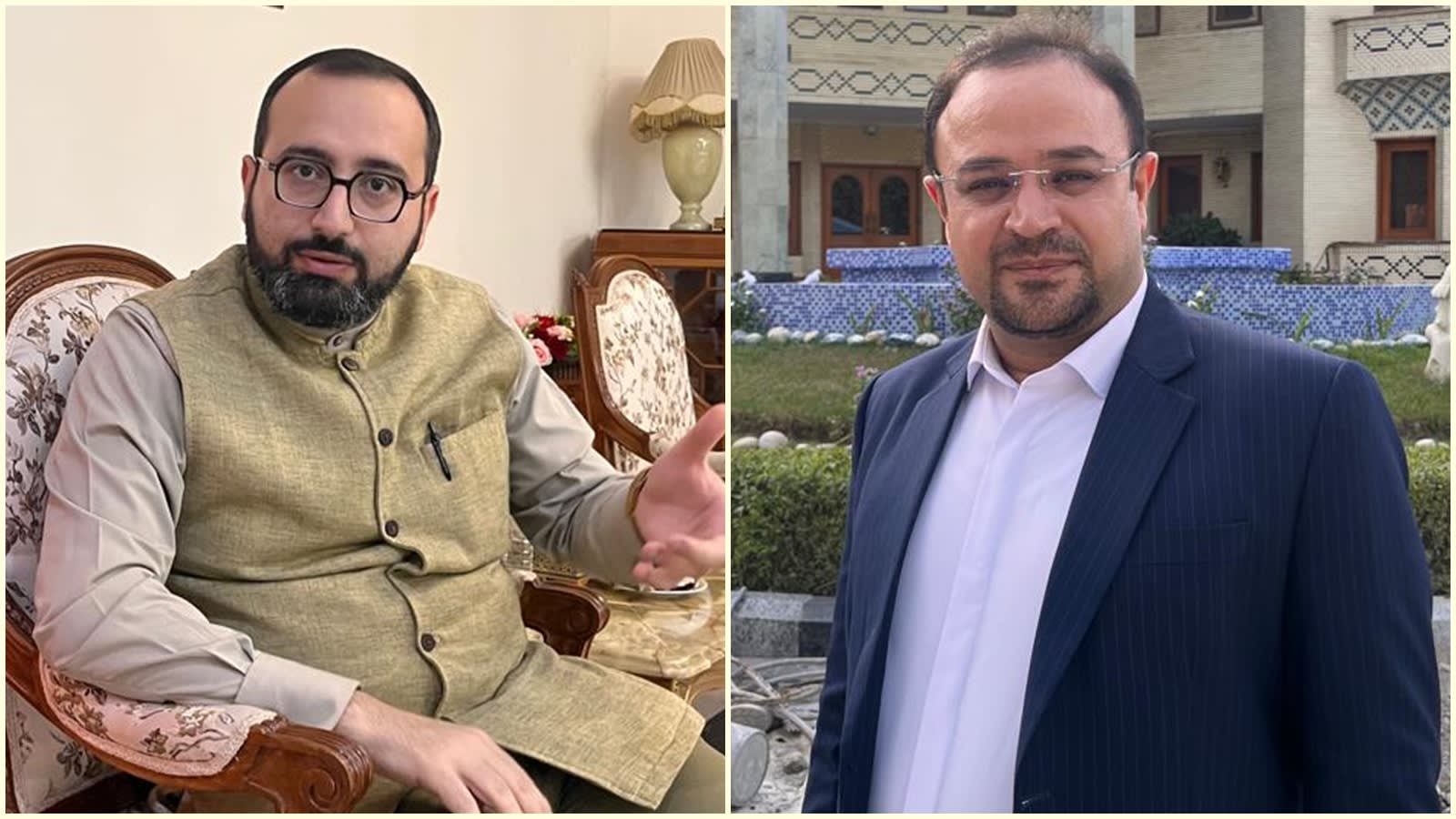
Iranian diplomats in Delhi are using viral Bollywood-themed memes on social media to critique US policy and President Donald Trump. By leveraging Indian pop culture, they aim to influence public opinion and communicate political messages beyond traditional diplomatic channels.
The Cultural Diplomacy of Memes
The emergence of viral social media content from the X handle @Iran_in_India marks a sophisticated shift in how diplomatic missions engage with host countries. By utilizing the Persian idiom “harf-e delam rā zadi”—meaning “you took the words right out of my mouth”—Iranian diplomats in Delhi are effectively bridging the gap between state-level foreign policy and the everyday cultural vernacular of the Indian public. This strategy transforms traditional, rigid diplomatic messaging into relatable, shareable digital content that resonates with the local audience.
Bollywood as a Political Tool
Bollywood serves as the perfect vehicle for this outreach, given its immense soft-power influence across South Asia and beyond. By casting US President Donald Trump in iconic roles—such as a heartbroken character from Dangal or a departing figure singing lyrics from Ae Dil Hai Mushkil—the account bypasses the limitations of traditional statecraft. These memes act as a form of “soft power” projection, allowing the Iranian mission to articulate its geopolitical frustrations regarding US sanctions and policy in a format that is inherently engaging rather than confrontational or dry.
Strategic Targeting and Public Perception
The content specifically targets the public consciousness, aiming to influence how Indian citizens perceive US-Iran tensions. By depicting the US President in scenarios involving electoral defeat or political isolation, the memes seek to undermine the perceived authority of the American administration. This is a deliberate attempt to win the “hearts and minds” of the Indian public, ensuring that Iranian foreign policy objectives are presented through a lens of humor and cultural familiarity rather than official, sterile press releases.
The Limitations of Conventional Diplomacy
In the modern era, military hardware like the Shahab-3 missile carries a specific, albeit limited, utility in international relations. The Iranian mission’s digital strategy acknowledges that in the age of viral media, public opinion is a battlefield in itself. While missiles provide a deterrent, these memes provide a narrative. By engaging with Indian pop culture, the mission is effectively weaponizing satire to reach audiences that would otherwise ignore diplomatic cables or formal statements of intent.
Future Trends in Digital Statecraft
This trend suggests that we are entering an era where embassies will increasingly prioritize digital literacy and cultural integration. As social media continues to dictate the flow of information, the ability to localize content—by adopting the language, humor, and cinematic references of the host nation—will become a prerequisite for effective diplomacy. We can expect to see more state actors adopting similar tactics, turning official social media accounts into hubs for localized political commentary that blurs the line between government communication and viral content creation.