World News Today Live Updates: Iran claims strikes on 2 US vessels, 8 tankers, 10 ships in Gulf, Hormuz
Source Entity
The Indian Express
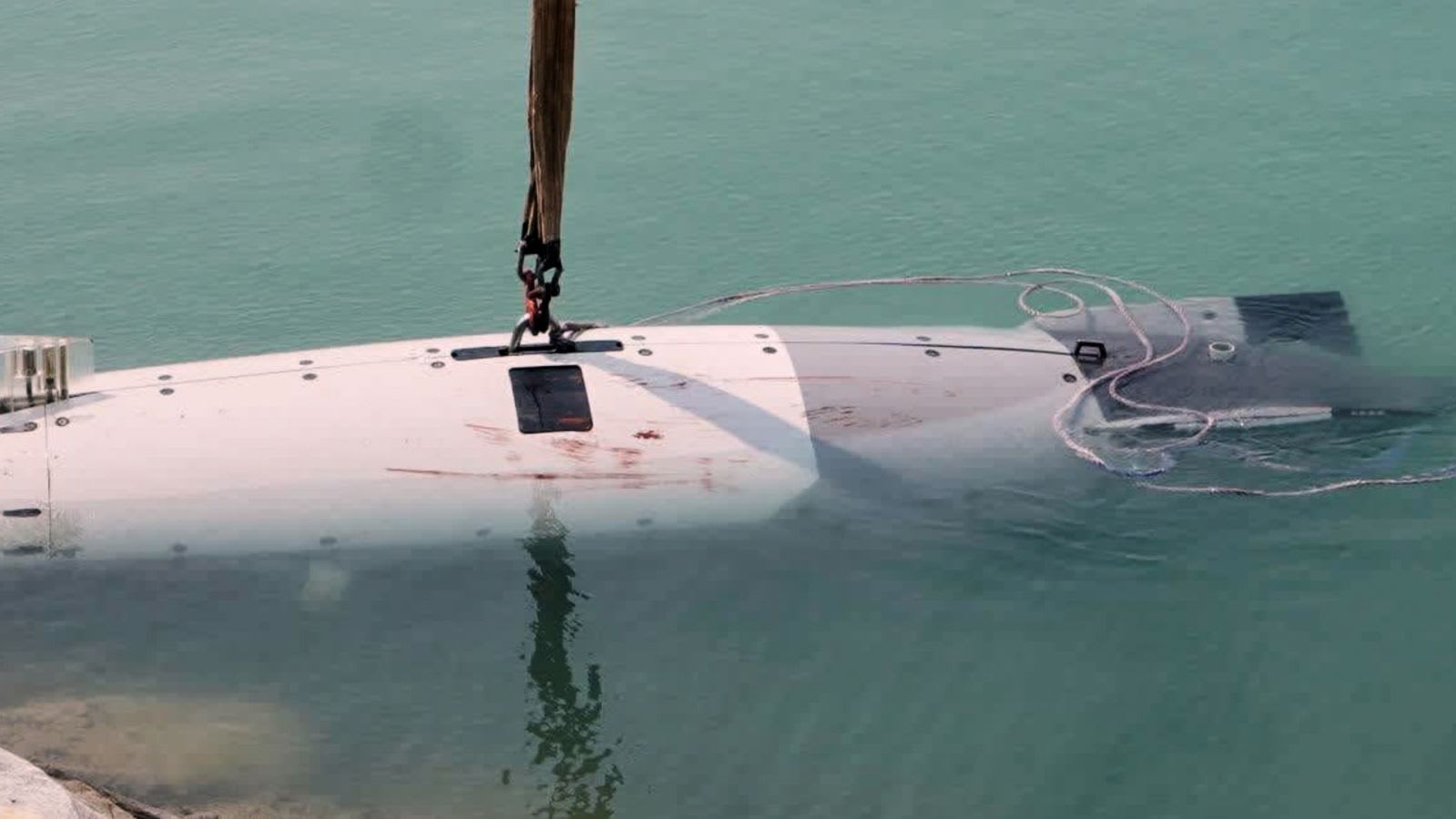
Iran’s Revolutionary Guards claim to have captured an advanced U.S. unmanned submarine in the Strait of Hormuz amid escalating maritime hostilities. The incident follows mutual attacks on naval vessels and oil tankers, prompting high-level emergency meetings among Iran's leadership in Tehran.
Escalation in the Strait of Hormuz: A Strategic Confrontation
The Strait of Hormuz, a critical maritime chokepoint for global energy supplies, has become the epicenter of a dangerous escalation between the United States and Iran. According to reports from the Islamic Revolutionary Guard Corps (IRGC), Iranian forces have captured an advanced U.S. unmanned submarine near the port of Bandar Abbas. This event is not an isolated incident but rather a significant tactical shift in a broader, months-long maritime conflict that has paralyzed transit through one of the world's most vital waterways.
The Anatomy of the Seizure
The IRGC has characterized the captured submersible as one of the most sophisticated pieces of U.S. military technology, claiming it was seized during a complex intelligence and operational maneuver at dawn. While the U.S. military has yet to provide a full accounting of the loss, the capture of unmanned underwater vehicles (UUVs) represents a major intelligence breach. Such technology is typically utilized for surveillance, mine detection, and underwater reconnaissance; its acquisition by Iranian forces potentially grants Tehran insight into American maritime sensor capabilities and operational protocols in the region.
Tit-for-Tat Maritime Warfare
This seizure occurs against a backdrop of intensifying kinetic conflict. Reports indicate a cycle of retribution: the IRGC claims to have attacked two U.S. vessels and eight oil tankers in direct retaliation for the U.S. destruction of five Iranian tankers. Furthermore, Iran has asserted its authority over the waterway by attacking a vessel deemed to be navigating a 'prohibited' zone. This tit-for-tat dynamic suggests that the traditional 'gray zone' tactics—where both nations avoid direct, large-scale war—are rapidly evolving into a more overt and destructive naval confrontation.
High-Level Political Repercussions
The gravity of the situation is underscored by an emergency meeting in Tehran involving Iran's 'power trio': President Masoud Pezeshkian, Parliament Speaker Mohammad Bagher Ghalibaf, and the judiciary chief. This high-level assembly suggests that the Iranian leadership is actively calibrating its response to the naval blockade and the heightened U.S. presence. The coordination between the executive, legislative, and judicial branches reflects a unified front aimed at managing the fallout from these naval skirmishes.
Broader Strategic Implications
The U.S. Central Command’s involvement in destroying Iranian tankers confirms that the naval blockade is being enforced with lethal force. As the Strait of Hormuz remains effectively blockaded, the global energy market faces significant volatility. Historical precedents suggest that prolonged instability in this region inevitably leads to surges in oil prices and disruption of international trade routes. The current situation marks a departure from previous diplomatic posturing, signaling a phase where technological assets and naval assets are being openly challenged.
Future Trends and Outlook
Looking forward, the capture of the U.S. submersible will likely trigger a period of intense counter-intelligence analysis in Washington and potentially defensive shifts in U.S. naval deployment. The persistence of these attacks suggests that neither side is currently willing to de-escalate. As the IRGC continues to enforce its own rules of engagement within the Strait, the international community must brace for continued volatility. The ability of the U.S. to protect its naval assets while maintaining the flow of global commerce will be the defining challenge in the coming weeks of this conflict.
Multiple Citing Sources