Iran Demands Release Of 3 Pilots Captured In Qatar After Su-24 Jets Crashed
Source Entity
NDTV News Search Records Found 1000
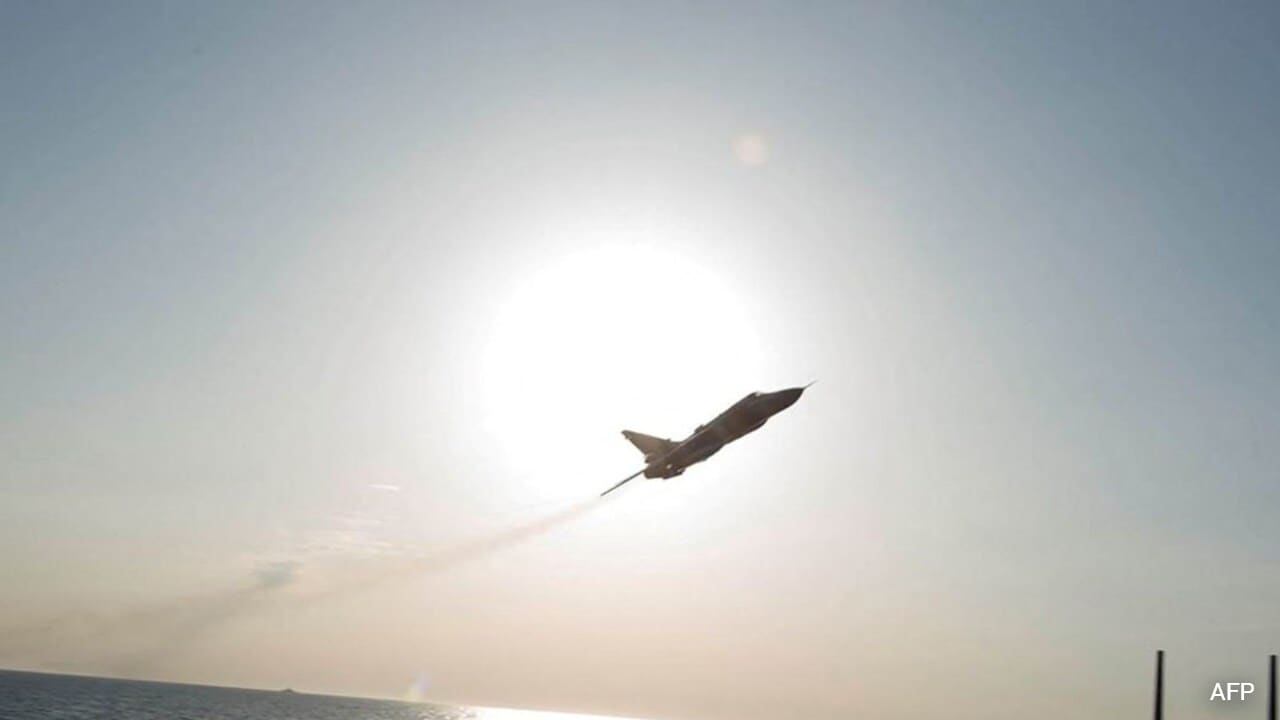
Iran has claimed that three of its pilots, previously reported missing after Su-24 jet crashes, are being held captive by Qatari forces. This revelation coincides with the unveiling of a 'war trophy' vault displaying wreckage from U.S. and Israeli aircraft, signaling a major escalation in regional tensions.
Tensions Escalate: Iran’s Claims of Captured Pilots
Recent reports indicate a significant shift in the narrative surrounding the aftermath of the 40-day conflict involving Iran, the United States, and Israel. Tehran has officially announced that three pilots—Javad Salehi, Abdolmajid Dashtian, and Omran Behraveshian—who were previously categorized as missing following the crash of their Su-24 jets, are currently being held alive by Qatari forces. According to Iranian officials, these individuals have been in custody for several months without access to their families or diplomatic representation, while a fourth pilot was returned to Iran deceased.
The Geopolitical Implications of Detention
The revelation regarding the captive pilots poses a severe challenge to regional diplomacy. By explicitly naming Qatari forces as the captors, Iran is moving to isolate Qatar’s role within the U.S.-backed security architecture in the Gulf. This move serves as a direct pressure tactic, forcing Qatar to account for the status of these individuals and potentially straining relations between Doha and its Western partners, who rely on Qatar for strategic basing and mediation.
Unveiling the 'War Trophy' Vault
Simultaneously, Iran has opened an underground IRGC facility described as a 'war trophy' vault. This display is intended to substantiate Tehran’s claims of military success during the April 2026 conflict. The collection reportedly features wreckage from 171 downed aerial vehicles, including 10 manned aircraft, such as a U.S. F-15 and various unmanned systems like the MQ-9 Reaper and Israeli Hermes-series drones. The inclusion of Starlink-linked communications equipment suggests an attempt by Tehran to highlight its ability to disrupt advanced Western military technology.
Strategic Signaling and Domestic Optics
The timing of these disclosures—months after the alleged events—suggests a calculated psychological operation. By presenting physical evidence of downed U.S. and Israeli assets alongside the claim of captive personnel, Iran is seeking to bolster its domestic narrative of a successful defensive campaign. This serves to project strength to its populace and regional proxies while simultaneously warning Western allies of the potential costs of continued military engagement in the Gulf.
Future Trends and Regional Stability
Looking forward, the disclosure of these 'trophies' and the status of the pilots will likely trigger a new round of diplomatic friction. If the international community cannot verify these claims, the uncertainty will likely be used by Tehran to justify further air defense maneuvers or retaliatory posturing. The integration of advanced wreckage in public displays signals that Iran is shifting toward a more transparent, albeit confrontational, display of its technological and military capabilities, potentially complicating future de-escalation efforts in the region.
Conclusion
In summary, the intersection of the pilot detention claims and the exhibition of downed aircraft wreckage marks a dangerous evolution in the post-war landscape. Whether these exhibits provide genuine proof of tactical dominance or serve as sophisticated propaganda remains a point of intense geopolitical debate. However, the immediate consequence is an increased volatility in Gulf security, with both sides now publicly locked in a battle of narratives that directly involves the sovereignty and military presence of multiple nations.
Verification Required?