Iran Plans To Detonate 'Dirty Bomb' In Washington, Warns US Intel: Report
Source Entity
NDTV News Search Records Found 1000
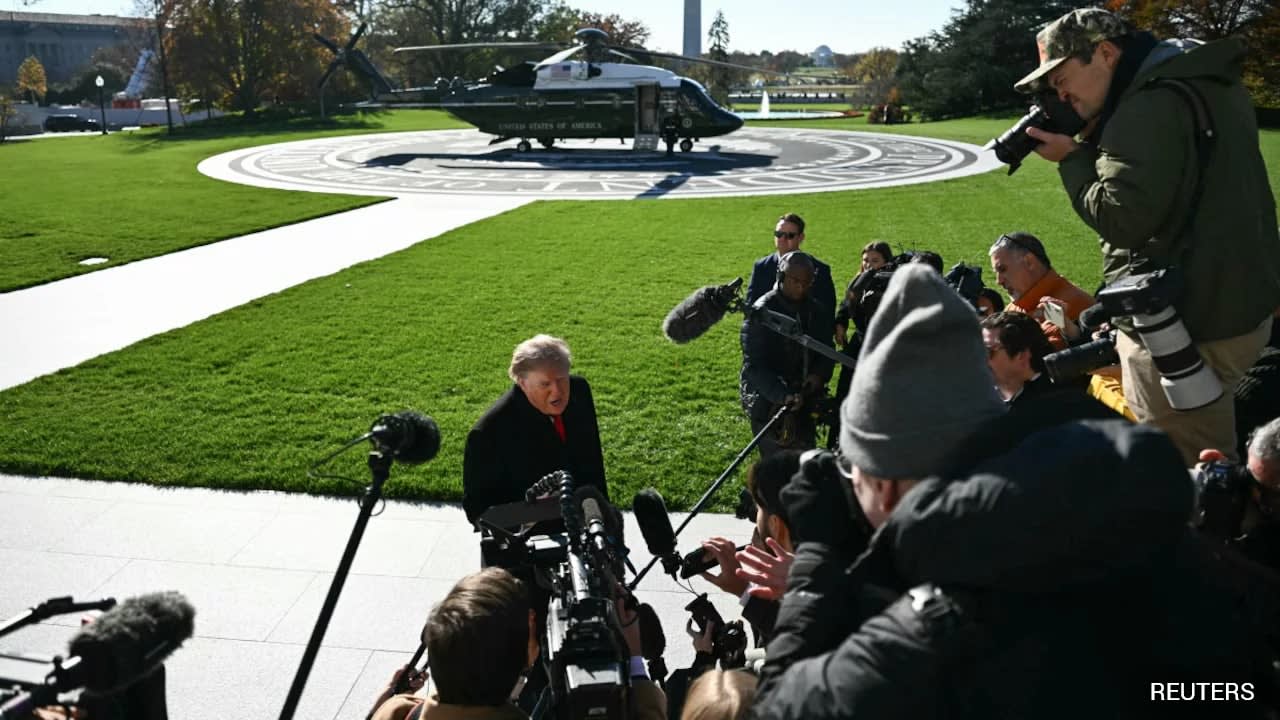
US intelligence reports indicate Iran is developing contingency plans to target senior Trump administration officials with dirty bombs or chemical weapons. While authorities are monitoring the situation, they maintain that no immediate credible threats against the US homeland currently exist.
Intelligence Report: Assessing the Alleged Iranian Threat
Recent intelligence reports have surfaced indicating that Iran is allegedly developing contingency plans to target senior Trump administration officials within Washington, D.C. These reports suggest the potential use of unconventional warfare tactics, specifically radioactive 'dirty bombs' or chemical weapons. While these claims have triggered immediate security discussions among U.S. officials, it is essential to contextualize these findings within the broader framework of ongoing geopolitical friction between the United States and Iran.
The Nature of the Alleged Threat
A 'dirty bomb,' or radiological dispersal device, is designed to spread radioactive material using conventional explosives. Unlike a nuclear weapon, which relies on a fission chain reaction, a dirty bomb is primarily a tool of psychological warfare and area denial, intended to cause panic and widespread contamination rather than mass destruction. The inclusion of chemical weapons in these reports underscores a shift toward highly asymmetric and unconventional threats that complicate traditional defense postures in the nation’s capital.
Intelligence Skepticism and Strategic Context
It is vital to note that seven U.S. officials familiar with the intelligence have expressed skepticism regarding Iran's current capability or intent to execute such an attack. Many analysts suggest that these plans may be part of a menu of options being developed by Tehran to demonstrate reach and resolve, rather than a definitive operational order. This distinction is crucial; the difference between 'contingency planning' and 'imminent attack' is the primary factor driving the current assessment by the U.S. intelligence community.
Regional Tensions and Military Personnel
Beyond the domestic concerns in Washington, D.C., there is growing apprehension regarding the safety of U.S. military personnel stationed in the Middle East. The regional conflict between the two nations has historically seen a cycle of escalation and retaliation. The potential for these unconventional weapons to be deployed against U.S. assets overseas remains a core focus for military planners who must balance the need for heightened force protection with the reality of maintaining a regional footprint.
U.S. Government Response and Security Posture
The White House has maintained a measured response, with spokesperson Lauren Bis confirming that the administration is monitoring all potential threats while explicitly stating there are no credible threats to the homeland at this time. This language is standard for national security communications, designed to prevent public alarm while signaling to adversaries that the United States is maintaining a high state of vigilance. Over the past week, officials have held multiple discussions aimed at refining counter-threat strategies.
Future Implications and Geopolitical Stability
The situation highlights the fragility of the current U.S.-Iran relationship, where intelligence assessments are often used as instruments of deterrence. As both nations continue to navigate this period of heightened tension, the ability of the U.S. to distinguish between posturing and genuine intent will be the deciding factor in avoiding a catastrophic escalation. The international community will likely continue to monitor these developments as they represent a significant inflection point in modern asymmetric warfare.
Multiple Citing Sources
Verification Required?