Former Pakistan army officer is new BLA chief
Source Entity
RAJ SHEKHAR JHA
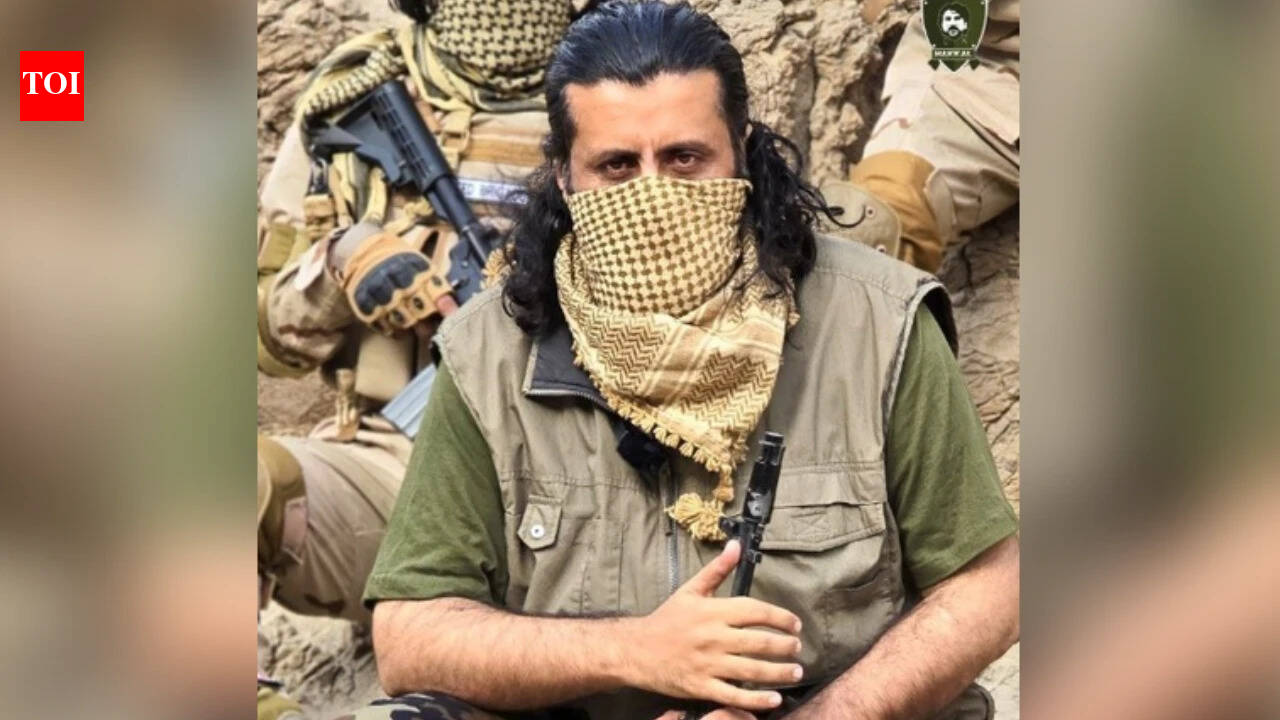
The Baloch Liberation Army has appointed former Pakistan Army Captain Rehman Gul as its new commander-in-chief. Gul, who deserted in 2010, previously led the BLA's specialized Majeed Brigade.
Leadership Transition in the Baloch Liberation Army
The Baloch Liberation Army (BLA) has recently undergone a significant leadership transition, appointing Rehman Gul as its new commander-in-chief. This appointment marks a notable shift in the militant organization's hierarchy, following the resignation of the former leader, Bashir Zeb. The transition comes at a time of continued volatility within the region, as the BLA remains a central actor in the ongoing Baloch nationalist insurgency.
The Background of Rehman Gul
Rehman Gul’s background is central to understanding the strategic direction of the BLA. A former Captain in the Pakistan Army’s 19 Frontier Force (FF) Regiment, his transition from a state military officer to a militant commander is highly unconventional. According to reports, Gul deserted his post in 2010, citing deep-seated grievances regarding the treatment of civilians by the military. This defection served as a major intelligence blow to the Pakistan Army and provided the BLA with a leader who possesses intimate knowledge of conventional military tactics and organizational structures.
Operational Expertise and the Majeed Brigade
Before ascending to the role of commander-in-chief, Gul was instrumental in the operations of the Majeed Brigade. As the BLA’s specialized wing, the Majeed Brigade is primarily responsible for high-profile suicide attacks and complex tactical operations. Gul’s tenure leading this brigade suggests that the BLA may prioritize high-impact, asymmetric warfare under his command. His elevation signifies a move toward a more disciplined, militarily-informed approach to the group's operational strategy.
Contextualizing the Defection
Gul’s decision to join the BLA under Aslam Baloch in 2010 was a watershed moment for the insurgent group. By integrating a former regular army officer into their ranks, the BLA gained a leader capable of bridging the gap between guerrilla tactics and formal military planning. His rise through the command council to the top position indicates that the BLA values his battlefield experience and his ability to navigate the complex security landscape of the region.
Broader Implications and Future Trends
The appointment of a former Pakistan Army officer as the head of the BLA is likely to intensify the existing friction between the state and the nationalist movement. The symbolic weight of his past service, combined with his transition to the leadership of a group actively opposing the state, highlights the deep-seated polarization within the Balochistan region. Future trends suggest that the BLA may become increasingly sophisticated in its operational planning as it leverages Gul’s military background to challenge state security apparatuses with greater precision.
Conclusion
In summary, the transition from Bashir Zeb to Rehman Gul represents a strategic pivot for the Baloch Liberation Army. By placing a seasoned, former conventional officer at the helm, the organization has signaled a commitment to a more structured and potentially more lethal form of insurgency. The evolution of this leadership dynamic will be critical to monitor, as it will undoubtedly influence the security architecture of the region for the foreseeable future.