Watch: How predatory Met detective's behaviour became increasingly extreme
Source Entity
BBC News
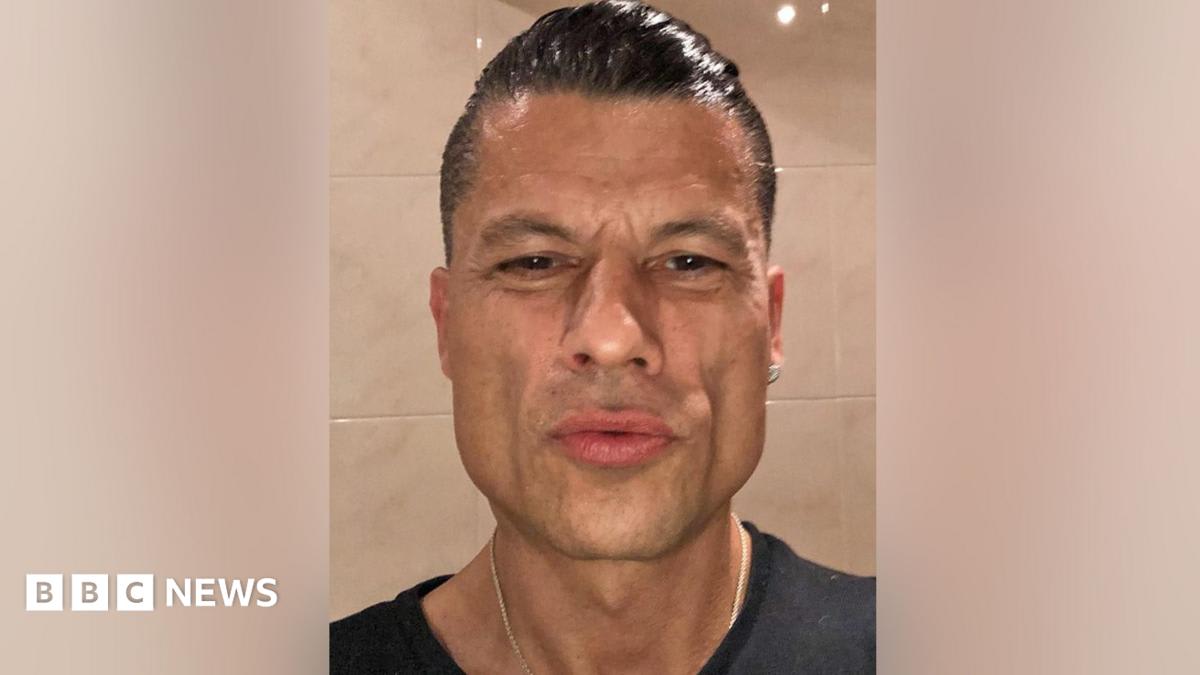
An investigation has revealed the Metropolitan Police repeatedly missed chances to stop Detective Inspector Warren Arter from sexually abusing vulnerable victims over two decades. Arter, who led a sexual assault unit, died in prison in 2024 without the Met having conducted a full review of his cases.
The Systematic Failure of Metropolitan Police Oversight
A recent investigation by BBC Panorama has brought to light the harrowing actions of Warren Arter, a former detective inspector within the Metropolitan Police who utilized his authority to sexually exploit vulnerable victims of crime. Over a career spanning nearly two decades, Arter preyed upon the very women he was sworn to protect, specifically targeting those whose sexual assault cases were under his jurisdiction in south-east London. The revelations underscore a profound failure in institutional oversight, as the Met repeatedly ignored or bypassed opportunities to intervene, allowing a predator to operate within the ranks of law enforcement for years.
Patterns of Coercion and Grooming
Arter’s modus operandi involved the systematic grooming of victims, often utilizing the power dynamics inherent in the police-victim relationship to facilitate abuse. Testimony from survivors reveals a pattern of rape and psychological coercion. Perhaps most disturbing is the case of his wife, Rebekah, whom Arter filmed during instances of sexual abuse and subsequently distributed the footage. Her mysterious death in Barbados two years ago while on holiday with Arter remains a haunting facet of this case, highlighting the extreme nature of the detective's predatory behavior that went unchecked by his superiors.
Institutional Interference and Lack of Accountability
The investigation further alleges that attempts to bring Arter to justice were actively stifled from within the force. A former detective inspector who initiated an inquiry into Arter’s conduct in 2016 reported that senior management attempted to interfere with the investigation, despite evidence pointing toward multiple victims. This suggests a culture of protectionism or negligence that prioritized the reputation of the Met over the safety of the public and the integrity of criminal investigations.
The Legacy of Unreviewed Cases
Despite Arter’s death while on remand at HMP Wandsworth in 2024, the damage caused by his tenure remains unresolved. The Metropolitan Police have notably failed to conduct a comprehensive review of all the cases Arter was involved in during his twenty-year career. This omission leaves countless victims of crime without justice and raises significant questions about the validity of past investigations handled by his unit. The lack of a full audit suggests that the true scale of his abuse may never be fully quantified.
Broader Implications for Law Enforcement
This case serves as a stark reminder of the consequences when institutional accountability mechanisms fail. The ability of an individual to operate as a serial predator while holding a position of trust within a major police department damages public confidence in law enforcement. As the Metropolitan Police face scrutiny over their handling of Arter, the case highlights the urgent need for robust, independent oversight and a transparent review process to ensure that vulnerable individuals are not further victimized by those tasked with their protection. The failure to stop Arter is not merely an individual failing, but an organizational one that demands deep structural reform.