Iran Launches Drone Strike On Jordan's Azraq Base | Dramatic Attack Caught On Camera
Source Entity
Latest News: Today's Latest News Headlines from India & World | Hindustan Times | Hindustan Times
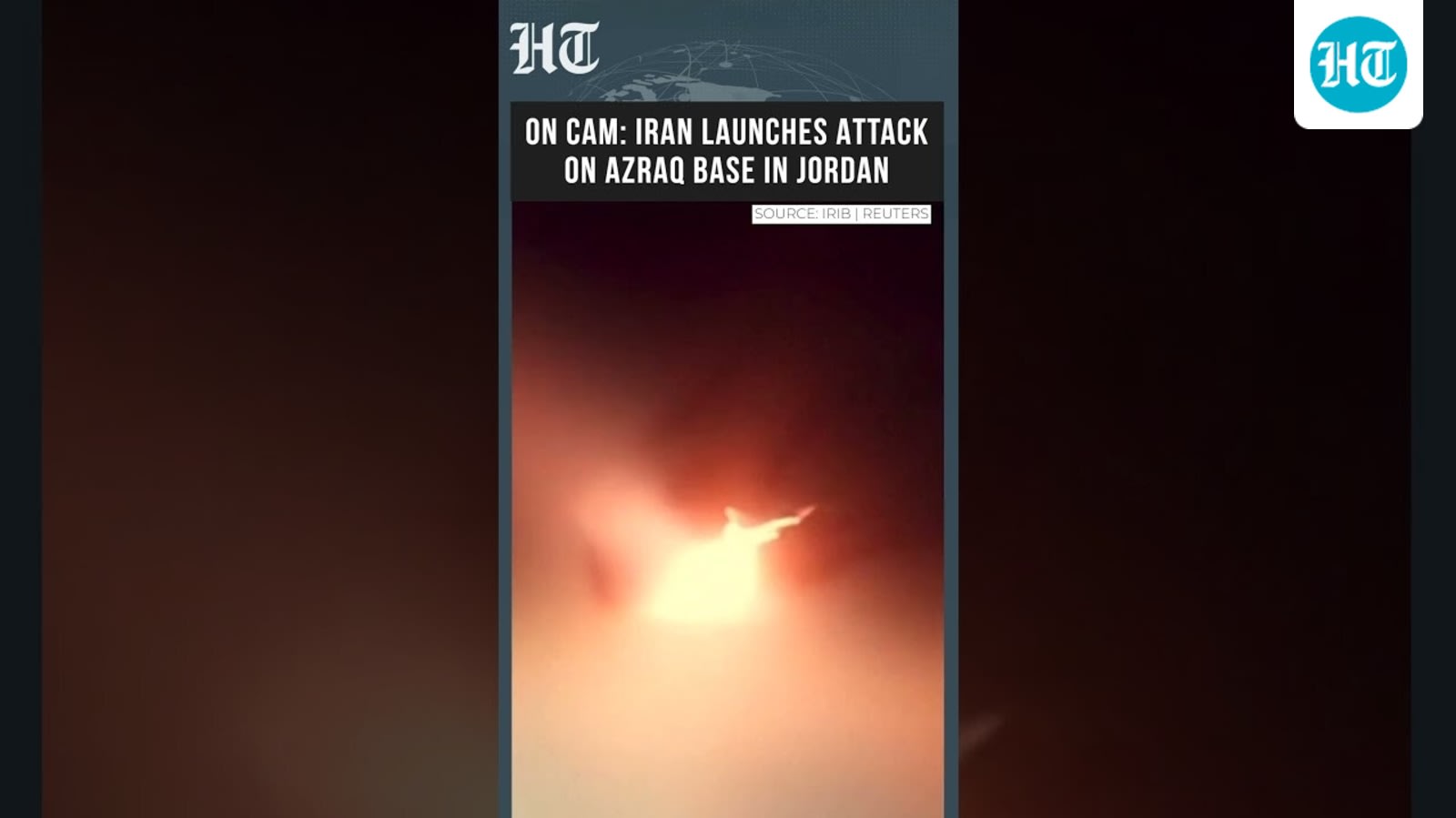
Iranian media has released footage claiming a drone strike on Jordan's Azraq Air Base, signaling a dangerous escalation in the Iran-U.S. conflict and increasing pressure on regional stability.
Escalation in the Levant: Analysis of the Strike on Azraq Air Base
The reported drone strike on Jordan's Azraq Air Base, underscored by the release of dramatic footage by Iranian media, marks a pivotal and dangerous escalation in the ongoing geopolitical volatility of the Middle East. This event is not merely a tactical military operation but a calculated strategic signal aimed at both the Jordanian government and the United States. By broadcasting the attack, Iran is employing a dual-track strategy of kinetic aggression and psychological warfare, intending to demonstrate its ability to penetrate sophisticated air defense networks and strike high-value targets deep within allied territory.
The Strategic Significance of Azraq Air Base
Azraq Air Base serves as a critical logistics and operational hub, not only for the Jordanian Armed Forces but also for U.S. military personnel stationed in the region. Its location makes it a vital node for intelligence, surveillance, and reconnaissance (ISR) missions and a primary launch point for regional stability operations. Targeting such a facility is a direct challenge to the security umbrella provided by the United States in the Levant. The choice of Azraq as a target suggests that the attackers intend to disrupt the operational capacity of U.S. forces, thereby limiting their ability to respond to other regional crises or project power against Iranian interests.
Asymmetric Warfare and the Role of UAVs
The use of drones (Unmanned Aerial Vehicles) in this strike highlights the continuing shift toward asymmetric warfare in the Middle East. Drones allow actors like Iran to project power across borders while minimizing the risk of immediate, high-casualty retaliation that would accompany a manned aircraft or missile launch. This "low-cost, high-impact" approach creates a persistent state of insecurity for military installations. The release of the footage further suggests that the propaganda value—showing the vulnerability of a Western-backed base—is as important as the physical damage caused by the drones themselves.
The Broader Iran-U.S. Proxy Conflict
This event must be viewed through the lens of the widening Iran-U.S. conflict, which has increasingly moved from diplomatic sanctions and shadow wars to more overt military confrontations. The strike on Azraq is likely a response to perceived U.S. encroachments or support for regional adversaries. By targeting a base in Jordan, Iran is testing the "red lines" of the Biden administration, gauging whether the U.S. will respond with proportional force or if the perceived cost of escalation is too high for Washington to bear. This creates a precarious cycle of provocation and response that threatens to ignite a larger regional conflagration.
Jordan's Precarious Balancing Act
For the Hashemite Kingdom of Jordan, this attack represents a severe security breach and a diplomatic nightmare. Jordan has long maintained a delicate balance, serving as a key strategic partner to the U.S. while attempting to maintain stable relations with its neighbors and avoid becoming a primary battleground for external powers. The strike on Azraq forces Amman to accelerate its air defense upgrades and potentially increase its reliance on U.S. security guarantees, which in turn may further antagonize regional actors who view Jordan as a proxy for Western interests.
Psychological Operations and Media Influence
The decision by Iranian media to release footage of the strike is a classic example of modern hybrid warfare. In an era of instant information, the visual evidence of an attack serves to demoralize the opponent and embolden supporters. By controlling the narrative through dramatic visuals, the attackers aim to project an image of omnipotence and precision. This media strategy is designed to create a perception of instability within the Jordanian military command and to cast doubt on the effectiveness of the U.S.-provided defense systems protecting the base.
Conclusion and Future Outlook
In summary, the drone strike on Azraq Air Base is a symptom of a deeply fractured regional security architecture. The immediate future likely holds a period of heightened alert and increased drone activity across the region. If the U.S. and its allies respond with significant force, we may see a shift toward direct state-on-state conflict; conversely, a muted response could encourage further incursions into sovereign allied territories. The stability of the Middle East now hinges on whether these provocations can be contained or if they are the precursors to a much larger systemic collapse of regional deterrence.
Verification Required?