All About The Indian Couple Accused Of Helping Iran Evade Oil Curbs
Source Entity
NDTV News Search Records Found 1000
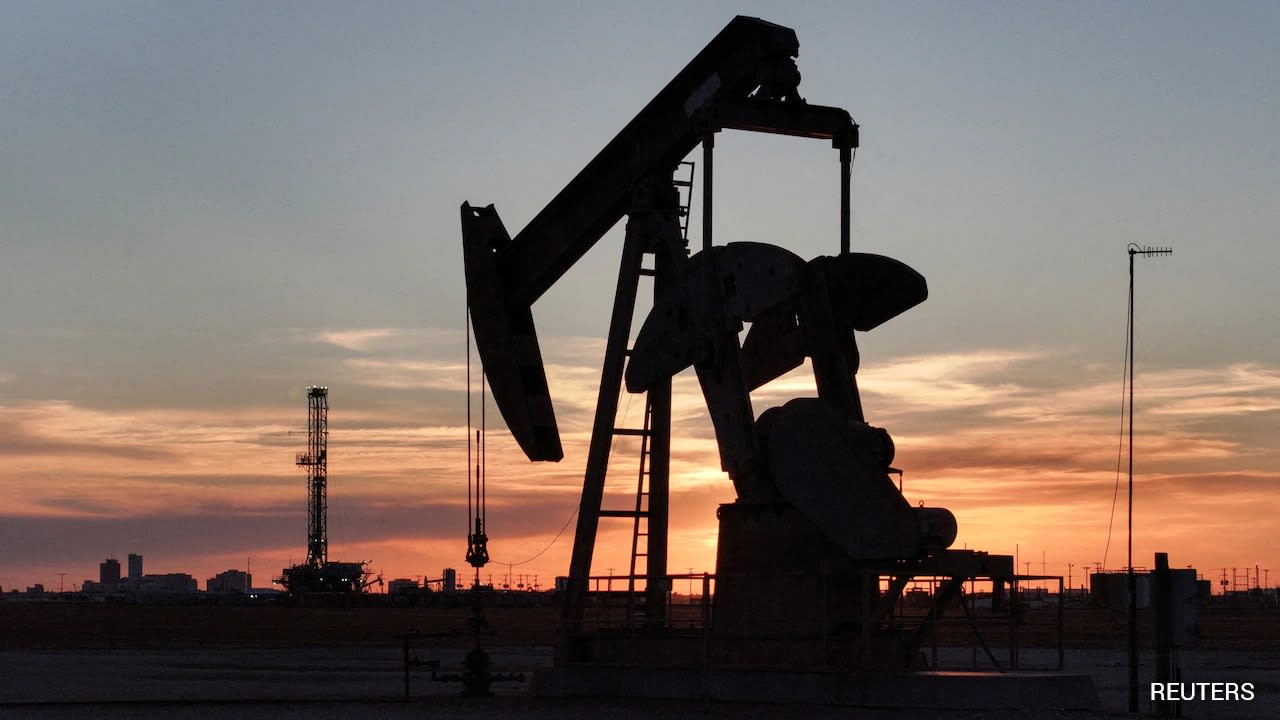
Iran has granted India and China exemptions for shipping through the Strait of Hormuz despite ongoing regional hostilities. Simultaneously, the US has imposed sanctions on Indian entities accused of facilitating Iranian oil trade evasion.
The Geopolitical Tightrope: Iran, India, and the Strait of Hormuz
The ongoing conflict in West Asia has reached a critical juncture, with the Strait of Hormuz—a vital global maritime artery—becoming a central theater of economic and military maneuvering. Following joint US and Israeli strikes on February 28, Iran effectively shuttered this chokepoint, which historically accounts for one-fifth of the global fuel supply. The recent revelation that Tehran has granted shipping exemptions to India and China signals a strategic effort by Iran to maintain essential trade lifelines while navigating the pressures of a prolonged, eight-month-long conflict.
The Double Blockade Dilemma
The Strait of Hormuz is currently caught in a "double blockade" scenario. Beyond Iran’s initial closure of the waterway, the United States has enforced its own counter-blockade, targeting ships moving to or from Iranian ports. This creates a volatile environment for global energy markets, as commercial vessels are forced to navigate competing mandates from Tehran and Washington. The exemption for Indian and Chinese vessels represents a calculated diplomatic concession by Iran, likely aimed at ensuring the continued flow of energy and goods from allies who have not fully aligned with US-led isolation efforts.
Operation Economic Outcast and Targeted Sanctions
Simultaneously, the US administration has intensified its "Operation Economic Outcast," aimed at dismantling the financial networks supporting the Iranian government. The recent imposition of sanctions on an India-based businessman, Suniel Kumar Sharma, his wife, Jaspreet Preeti Shahid, and their network of companies, highlights the US focus on private sector entities accused of maritime fraud. These individuals are alleged to have provided false flags and fraudulent certifications to facilitate the transport of Iranian petroleum, effectively bypassing international restrictions.
Strategic Implications for India
For India, these developments present a complex geopolitical challenge. While Iran’s exemption allows for the potential continuation of trade, the US sanctions against Indian nationals and firms suggest that Washington is closely monitoring India’s private sector for compliance with its anti-Iran policy. The US Treasury’s warning that it will continue to pursue anyone supporting the Iranian government suggests that Indian companies operating in the region face significant legal and financial risks as they attempt to balance energy security with international compliance requirements.
Domestic U.S. Context and Future Trends
The timing of these sanctions, occurring amidst a shift in the US political landscape following Democratic gains in midterm elections, underscores the domestic pressure on the current administration. Voters, increasingly frustrated by the economic fallout of the Iran war—particularly its role in fueling inflation—are demanding a more decisive strategy. Looking ahead, we can expect the US to continue its aggressive enforcement of "Operation Economic Outcast," potentially leading to further friction with trading partners who maintain economic ties with Tehran. The future of the Strait of Hormuz will likely remain a flashpoint, defined by a persistent tug-of-war between Iranian attempts to sustain its economy and US efforts to enforce total financial isolation.
Multiple Citing Sources
Verification Required?