US-Iran War Live News Updates: Tehran sends latest proposal to US to end war, reopen Hormuz within a week
Source Entity
The Indian Express
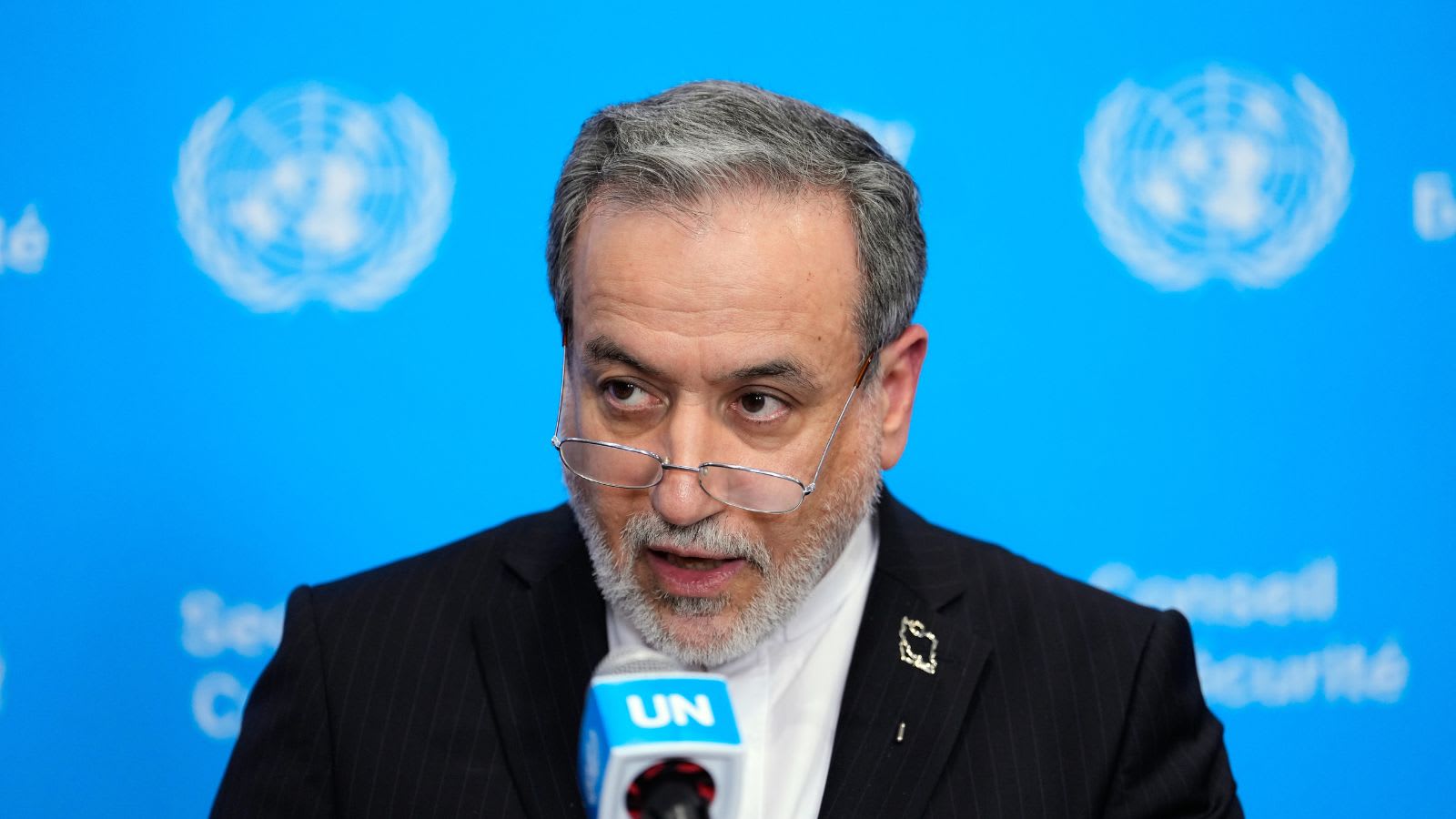
Diplomatic efforts are intensifying to resolve the Iran-Israel conflict, with Tehran proposing a deal to reopen the Strait of Hormuz. Mediated by Qatar, these talks occur alongside regional military escalations involving Houthi attacks and multi-nation emergency meetings.
Diplomatic Breakthroughs Amid Regional Volatility
Recent developments at the 81st session of the United Nations General Assembly have highlighted a pivotal shift in the ongoing Iran-Israel conflict. Foreign Minister Abbas Araghchi’s public signaling suggests that Tehran is actively seeking a diplomatic off-ramp to the current hostilities. While military engagements continue to define the day-to-day reality in the Middle East, the emergence of a concrete proposal to reopen the Strait of Hormuz indicates that both sides may be recognizing the unsustainable economic and security costs of a prolonged regional war.
The Strategic Importance of the Strait of Hormuz
The Strait of Hormuz serves as one of the world's most critical maritime chokepoints, through which a significant portion of the global oil supply passes. By centering negotiations on the reopening of this route, Iran is leveraging its geographic position to incentivize Washington and its allies to engage in serious dialogue. Should this proposal gain traction, it would represent a significant de-escalation, potentially stabilizing global energy markets and reducing the immediate threat of a wider, catastrophic regional conflagration.
The Role of Mediators and Regional Stakeholders
Qatar has emerged as a central mediator, leveraging its diplomatic infrastructure to bridge the chasm between Washington and Tehran. This role is increasingly complex, as demonstrated by the friction between Doha and Israeli officials regarding the ongoing conflict. Simultaneously, the urgency of the situation has forced a rare convergence of regional powers, with Saudi Arabia, Turkey, and Pakistan convening emergency military talks. This multilateral involvement underscores the fear that the conflict is spiraling beyond the control of the primary belligerents.
Escalation and the Houthi Factor
Despite the diplomatic overtures, the security environment remains precarious. The escalation of Houthi attacks in Yemen serves as a persistent volatility factor, complicating the path to a ceasefire. These strikes, which threaten regional stability and international shipping, illustrate that even if a deal is reached between Tehran and Washington, the influence of non-state actors and regional proxies remains a significant hurdle to achieving a lasting peace.
Future Outlook and Implications
Moving forward, the success of these negotiations will depend on the willingness of both the United States and Iran to move beyond rhetoric and accept verifiable compromises. If the proposal to reopen the Strait of Hormuz is formalized, it could serve as a foundational step toward broader de-escalation. However, the international community remains cautious; the history of regional diplomacy suggests that military posturing often continues until the final moments of a deal, meaning the coming week will be critical in determining whether this is a genuine breakthrough or merely a tactical pause in a much larger, enduring conflict.