Dozens of oil and shipping tankers hacked in recent weeks, per report
Source Entity
Zack Whittaker
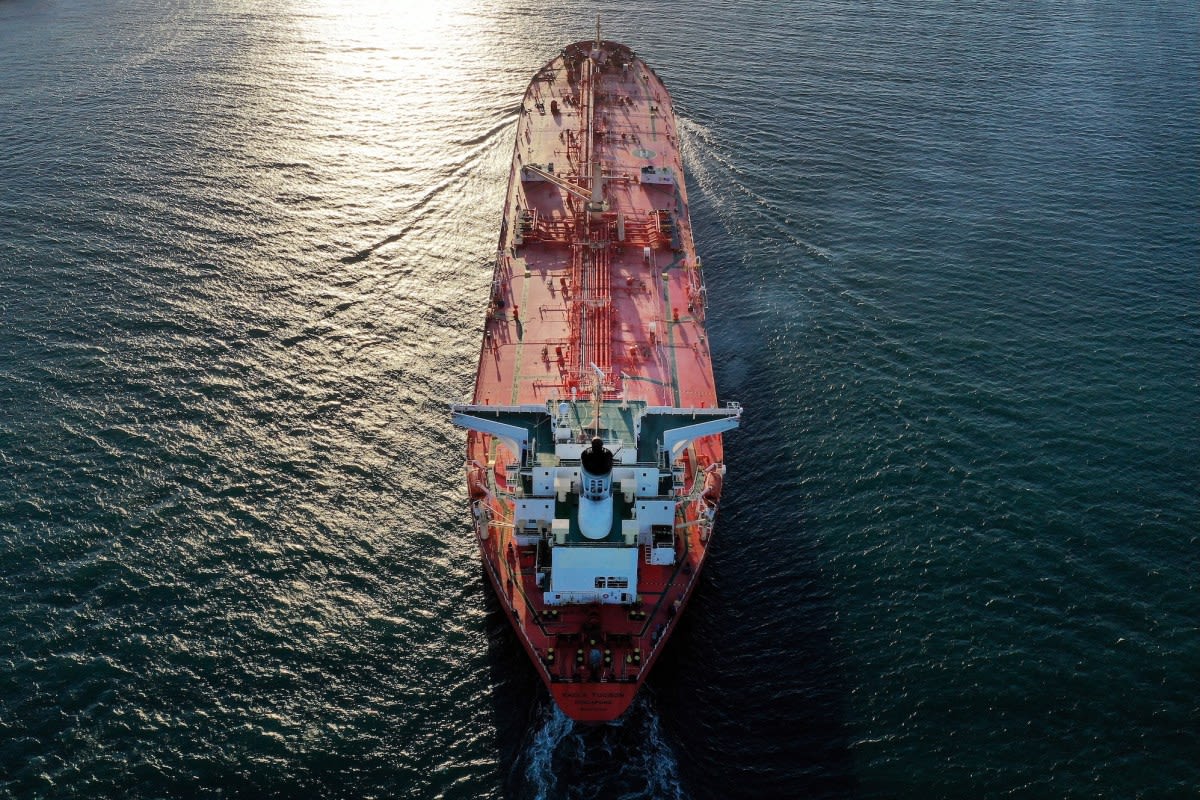
U.S. officials are investigating Iranian-linked hackers following a surge of cyberattacks against dozens of oil and chemical tankers. These incidents, which compromised navigation systems, raise significant concerns regarding maritime security and global supply chain stability.
Escalating Maritime Cyber Threats: The Iranian Connection
Recent reports indicate a disturbing trend in maritime security, with U.S. officials identifying approximately 50 cyberattacks targeting oil and chemical tankers across Asia and Europe. These incidents, which have occurred over the past several weeks, represent a sophisticated escalation in the use of digital warfare against civilian infrastructure. The primary suspect in these breaches is Iran, a nation that has increasingly turned to state-sponsored cyber operations to project influence and exert pressure on international trade routes.
The Mechanics of the Breach
These attacks specifically targeted the navigation systems of vessels carrying highly volatile cargo, including oil and liquefied gas. By compromising the automated navigation suites, hackers effectively blind the crew to their precise location and course. While modern vessels are equipped with backup, manual control systems that allow for safe navigation in the event of digital failure, the psychological and logistical impact of such intrusions is profound. The breach of ships destined for the U.S. coast in August triggered an urgent response from the FBI and the U.S. Coast Guard, necessitating physical inspections to ensure the integrity of the vessels before arrival.
Strategic Objectives and Geopolitical Implications
Analysts suggest that the motivation behind these persistent hacks extends beyond mere digital disruption. By targeting the backbone of the global energy supply chain, these actions are intended to sow widespread fear among international shipping companies and insurers. If successful, such a strategy could force a rerouting of critical supplies, drive up insurance premiums, and create artificial scarcity in energy markets. More alarmingly, officials are investigating whether these operations are a precursor to kinetic sabotage, aimed at causing catastrophic explosions at major port facilities.
The Vulnerability of Global Supply Chains
The reliance on interconnected digital systems in the maritime sector has created a massive attack surface. As shipping companies modernize, the integration of IoT devices and automated navigation has outpaced the development of robust, air-gapped cybersecurity protocols. This incident serves as a stark reminder that the modern merchant marine is as vulnerable to remote digital manipulation as it is to traditional physical piracy. The ability of a state actor to reach out and compromise a vessel thousands of miles away demonstrates a paradigm shift in how maritime conflicts are conducted.
Looking Ahead: Regulatory and Defensive Shifts
In the wake of these events, the maritime industry will likely face heightened pressure to implement rigorous cybersecurity standards. This will involve not only upgrading software and encryption but also training crews to operate effectively in a 'degraded' environment where digital aids are unreliable. Furthermore, international cooperation between intelligence agencies like the FBI and naval authorities will become essential to track, attribute, and deter these non-kinetic threats. The international community must now reconcile the necessity of digital efficiency with the reality of an increasingly hostile cyber landscape.