Iran Is Using Foreign Criminals to Attack Its Critics Overseas
Source Entity
Hacker News
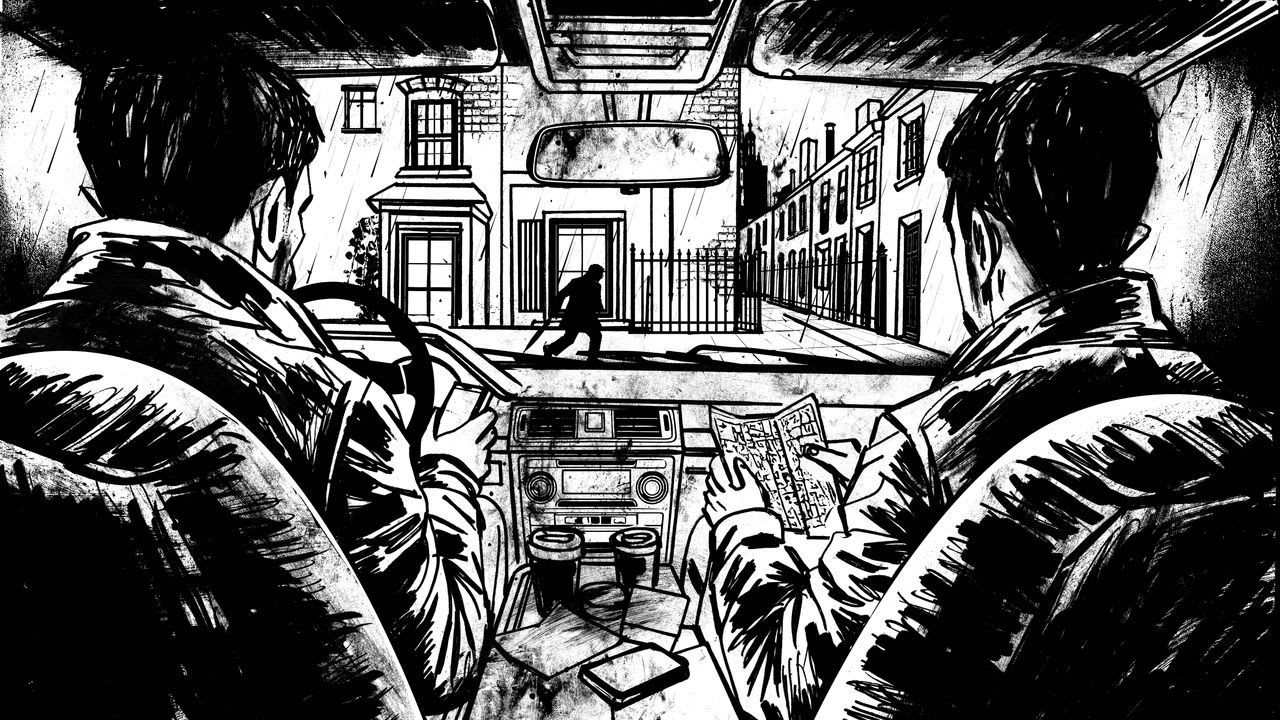
In March 2024, journalist Pouria Zeraati was violently attacked outside his London home by a group of foreign nationals linked to Iranian state interests. The incident highlights a growing trend of transnational repression where states utilize criminal proxies to target dissidents abroad.
The Escalation of Transnational Repression
In a chilling incident that underscores the rising threat of state-sponsored violence against journalists, Pouria Zeraati, a prominent presenter for the London-based outlet Iran International, was subjected to a targeted stabbing on a March afternoon in 2024. As Zeraati prepared for his daily commute, he was ambushed by three individuals identified as Romanian nationals: Nandito Badea, David Andrei, and a driver named Stana. The assailants utilized a deceptive approach, requesting money before physically restraining and stabbing Zeraati three times in the leg, an act clearly intended to intimidate rather than immediately terminate his life.
The Mechanics of Proxy Violence
The involvement of foreign criminal elements in this attack suggests a calculated strategic shift by intelligence services to maintain plausible deniability. By employing transient criminal actors—in this case, Romanian nationals—the orchestrators of such attacks attempt to distance themselves from the direct chain of command. The assailants' behavior, characterized by fleeing the scene while laughing, indicates a level of detachment and perhaps professionalization in their role as hired proxies, rather than ideological fervor, which is a hallmark of modern transnational repression tactics.
Immediate Response and Community Resilience
The incident serves as a stark reminder of the vulnerability of journalists living in exile. Following the assault, the life-saving intervention of neighbors and a construction worker—who utilized a tool belt to fashion a tourniquet—was critical in preventing a fatal outcome. The speed with which the suspects discarded their vehicle and evidence, such as their clothing, highlights the logistical planning involved in these operations, even when carried out by criminal proxies. This level of coordination points toward a sophisticated network designed to facilitate the rapid extraction of operatives after an attack.
Broader Geopolitical Implications
This event is not an isolated occurrence but rather part of a documented pattern of hostility toward Iran International and its staff. The Iranian government has long viewed such media outlets as conduits for dissent and has frequently leveled accusations of foreign interference against them. By targeting staff on foreign soil, state actors test the boundaries of international law and the security apparatuses of host nations. Such actions force governments to grapple with the complexities of protecting freedom of the press while managing delicate diplomatic relations with nations accused of sponsoring these attacks.
Future Trends in Dissident Targeting
As state actors continue to refine their methods of silencing critics, the international community faces a growing challenge in safeguarding exiled journalists. The reliance on criminal networks makes it increasingly difficult for intelligence agencies to track threats before they materialize. Future trends likely point toward increased surveillance and heightened security protocols for journalists operating out of London and other global media hubs. Protecting these individuals will require greater cooperation between international law enforcement agencies and a more robust diplomatic response to the blatant violation of sovereignty inherent in these attacks.
Summary
The stabbing of Pouria Zeraati is a definitive example of how modern autocracies are outsourcing their repression to global criminal networks. This brutal attack on a journalist in the heart of London serves as a warning that no critic of the state is truly safe, and that the international community must adapt its security and legal frameworks to counter these evolving, highly dangerous threats to press freedom.