US widens Iran sanctions, putting India in the crosshairs
Source Entity
CHIDANAND RAJGHATTA
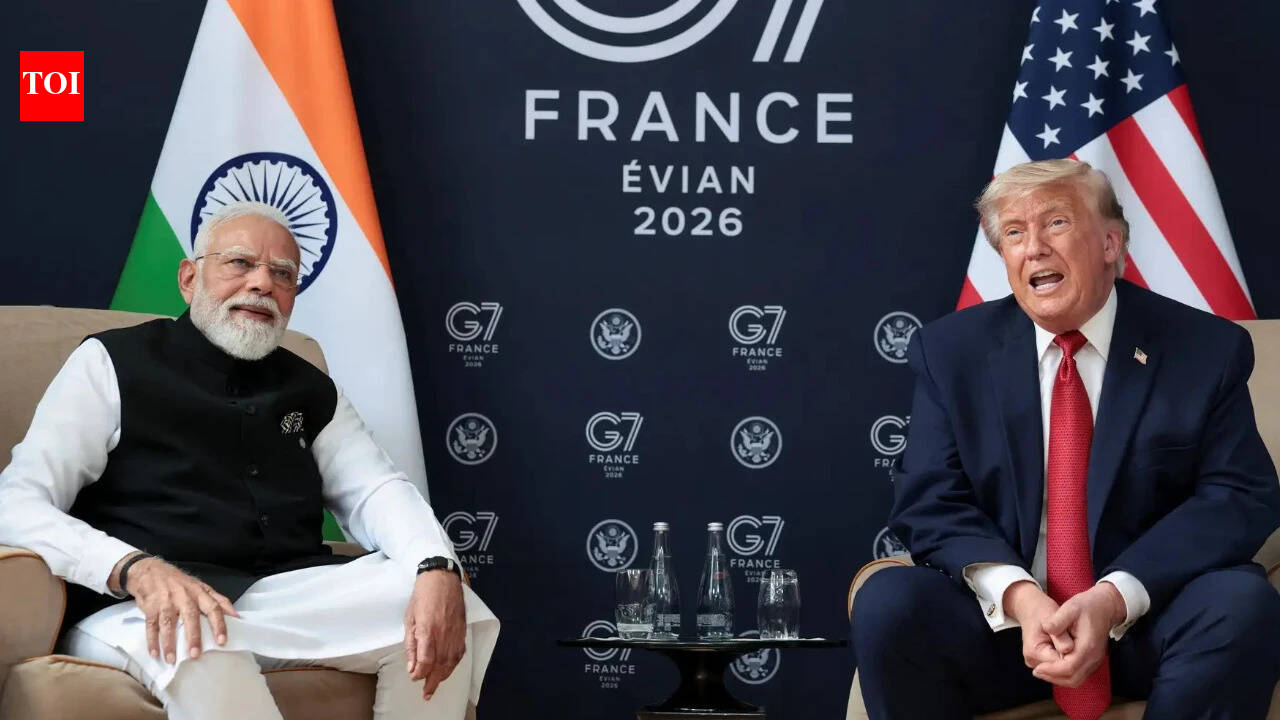
The U.S. has launched an 'economic D-Day' campaign to isolate Iran, targeting its oil and crypto sectors to sever trade lifelines. The strategy faces significant challenges, particularly regarding the potential for diplomatic and economic fallout with China, which remains Iran's primary oil importer.
The U.S. 'Economic D-Day' Strategy Against Iran
The Trump administration has initiated an aggressive campaign, dubbed an "economic D-Day," aimed at systematically isolating Iran from the global financial system. This policy seeks to sever the remaining trade lifelines that have sustained the Iranian economy during nearly six months of ongoing conflict. By threatening severe penalties against any international "enablers" of the Iranian regime, the U.S. is attempting to dismantle the commercial networks that have allowed Tehran to circumvent previous sanctions regimes.
Targeting the Digital Frontier and Oil Networks
As part of this broader offensive, the U.S. Treasury Department has significantly expanded its sanctions framework to encompass Iran’s digital asset sector. This move follows allegations that a UAE-based broker facilitated over $100 million in cryptocurrency payments specifically linked to Iranian oil sales. By issuing sectoral sanctions determinations that cover digital assets, technology, gold, aviation, and shipping, the Office of Foreign Assets Control (OFAC) is signaling a shift toward targeting the modern, decentralized methods Iran uses to bypass traditional banking restrictions.
The China Factor: A Structural Challenge
The success of this "economic D-Day" hinges on the administration's ability to influence Iran’s primary economic partners. China currently serves as the largest buyer of Iranian crude, accounting for approximately 90% of Iran’s total oil exports. This creates a complex geopolitical dilemma for Washington: to effectively neutralize Iran's oil revenue, the U.S. may be forced to impose secondary sanctions on Chinese entities. Such a move carries the significant risk of triggering a broader economic confrontation with Beijing, a move that could have profound repercussions for global markets.
Skepticism and Implementation Hurdles
Despite the severity of the rhetoric, there remains widespread skepticism regarding the long-term feasibility of these measures. Critics note that while the threat of secondary sanctions is intended to deter trade, the sheer volume of Iranian-Chinese energy commerce makes enforcement exceptionally difficult. Furthermore, the rapid devaluation of the Iranian toman—which recently hit record lows on the free market—highlights the pre-existing fragility of the Iranian economy, yet it also underscores the desperation that drives the regime to seek alternative financial channels like crypto-assets.
Broader Implications and Future Trends
Looking ahead, the tension between U.S. enforcement and Iranian adaptation will likely define the regional economic landscape. The targeting of nearly 60 entities, individuals, and vessels across nuclear, missile, and cyber networks demonstrates a comprehensive attempt to box in the Iranian state. If the U.S. proceeds with penalizing major Chinese firms, it would mark a significant escalation in U.S.-China relations, potentially leading to a new era of fragmented global trade where digital assets and shadow banking networks play an increasingly central role in sanctioned economies.
Conclusion
The U.S. campaign represents a high-stakes gamble to force a shift in Iranian behavior through total economic isolation. By linking traditional oil-based sanctions with modern digital asset restrictions, the U.S. is closing the net, yet the ultimate effectiveness of this strategy remains tethered to the diplomatic and economic realities of the U.S.-China relationship. As the sanctions take hold, the global community will be watching to see if the U.S. is willing to risk a major trade war to achieve its strategic objectives against Tehran.