Middle East crisis: Indian killed, sirens blare across Gulf as US-Iran trade strikes - key points
Source Entity
TOI WORLD DESK
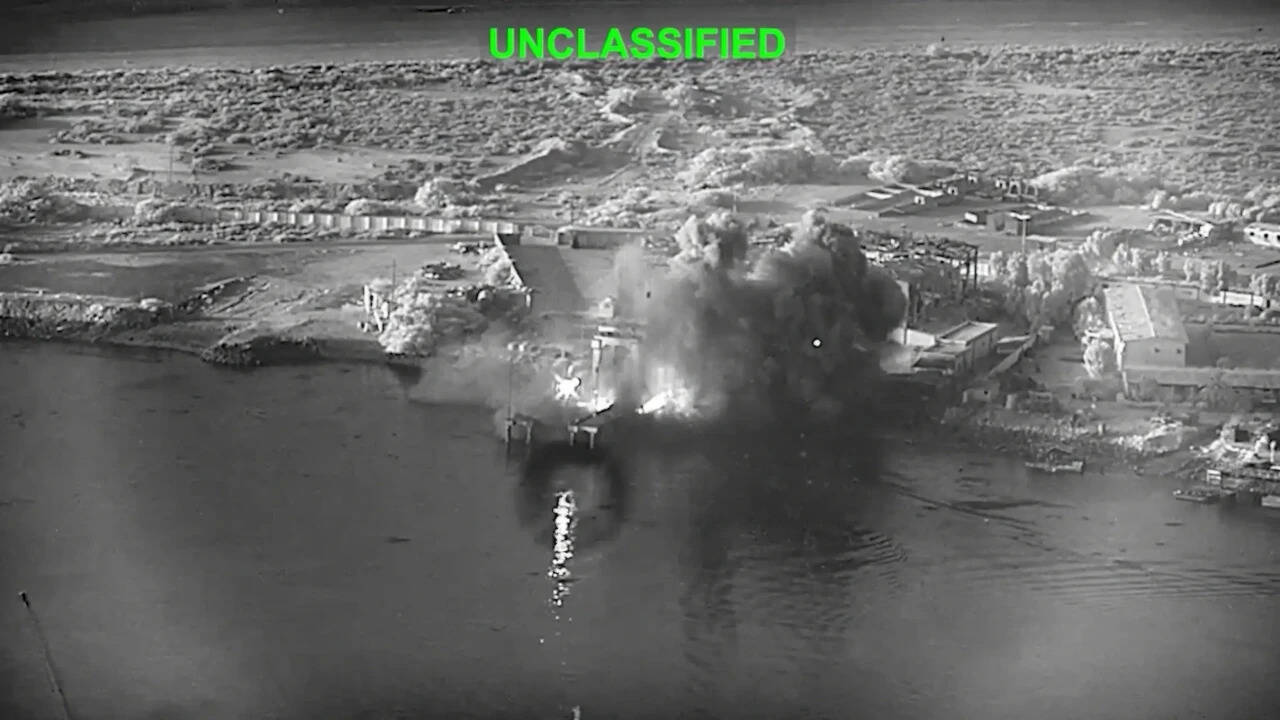
In a significant escalation, two Emirati oil tankers were hit by Iranian cruise missiles in the Strait of Hormuz. Tragically, one Indian national lost their life, while eight crew members suffered injuries during the assault. Calling this act unacceptable, the United Arab Emirates pledged a robust response. Iran defended its actions by stating the ships disregarded warnings and disabled their navigation systems, amid ongoing military tensions with the United States.
Crisis in the Strait of Hormuz: Analysis of the Iranian Strike on Emirati Tankers
The geopolitical landscape of the Middle East has entered a phase of acute volatility following a targeted strike by Iranian cruise missiles on two Emirati oil tankers. This incident, occurring in the strategically critical Strait of Hormuz, has resulted in the tragic death of one Indian national and left eight other crew members injured. The attack represents more than a localized skirmish; it is a manifestation of the deep-seated tensions between Iran and Western-aligned Gulf states, exacerbated by the overarching shadow of US-Iran military and trade frictions.
The Strategic Chokepoint and the Incident
The Strait of Hormuz is arguably the most vital oil transit chokepoint in the world, and any kinetic action within its waters has immediate global implications. The use of cruise missiles against commercial tankers marks a significant escalation in tactics. By targeting Emirati vessels, Iran has directly challenged the maritime security of one of its neighbors. The casualty of an Indian national adds a complex layer to the event, as India maintains significant economic and diplomatic ties with both the UAE and Iran, potentially complicating the diplomatic fallout and increasing pressure on New Delhi to address the safety of its diaspora in the region.
UAE's Response and Regional Security Implications
The United Arab Emirates has characterized the assault as "unacceptable" and has pledged a "robust response." This rhetoric suggests that the UAE may seek increased security cooperation with international partners or implement stricter maritime countermeasures. Historically, the UAE has sought to balance its relationship with Iran to avoid direct conflict, but the direct targeting of its commercial assets may force a shift toward a more confrontational security posture. The promise of a robust response indicates that the UAE views this not as an isolated mistake, but as a deliberate provocation that threatens its national economic interests.
Iran's Justification and 'Gray Zone' Warfare
Iran's defense—that the tankers disregarded warnings and disabled their navigation systems—is a classic example of the narrative used in 'gray zone' warfare. By claiming the ships were operating clandestinely or ignoring protocols, Tehran attempts to frame its aggression as a legitimate security measure rather than an act of piracy or unprovoked warfare. This justification is likely designed to provide a veneer of legality to the international community while simultaneously signaling to other commercial vessels that Iran maintains absolute control over the transit lanes of the Strait.
The US-Iran Dimension and Global Trade
The headline specifically links these strikes to US-Iran trade and military tensions. The Strait of Hormuz is often used by Iran as a lever of pressure against the United States; by threatening or attacking shipping, Iran signals that any US-led sanctions or military pressure will result in the disruption of global energy supplies. The timing of this attack suggests it is a calculated move to demonstrate capability and resolve, warning the US that the cost of its trade policies could be paid in the form of maritime instability and loss of life.
Conclusion and Future Outlook
In summary, the strike on the Emirati tankers is a grave escalation that has transitioned regional tensions from diplomatic sparring to lethal kinetic action. The death of an Indian crew member underscores the human cost of these geopolitical games. Moving forward, the world can expect increased naval presence in the Gulf as the UAE and its allies move to secure shipping lanes. Unless a diplomatic off-ramp is found regarding US-Iran relations, the Strait of Hormuz will likely remain a flashpoint, with commercial shipping caught in the crossfire of a larger power struggle.