Hormuz talks positive, Oman says, as Iran warns deal would not open strait
Source Entity
BBC News
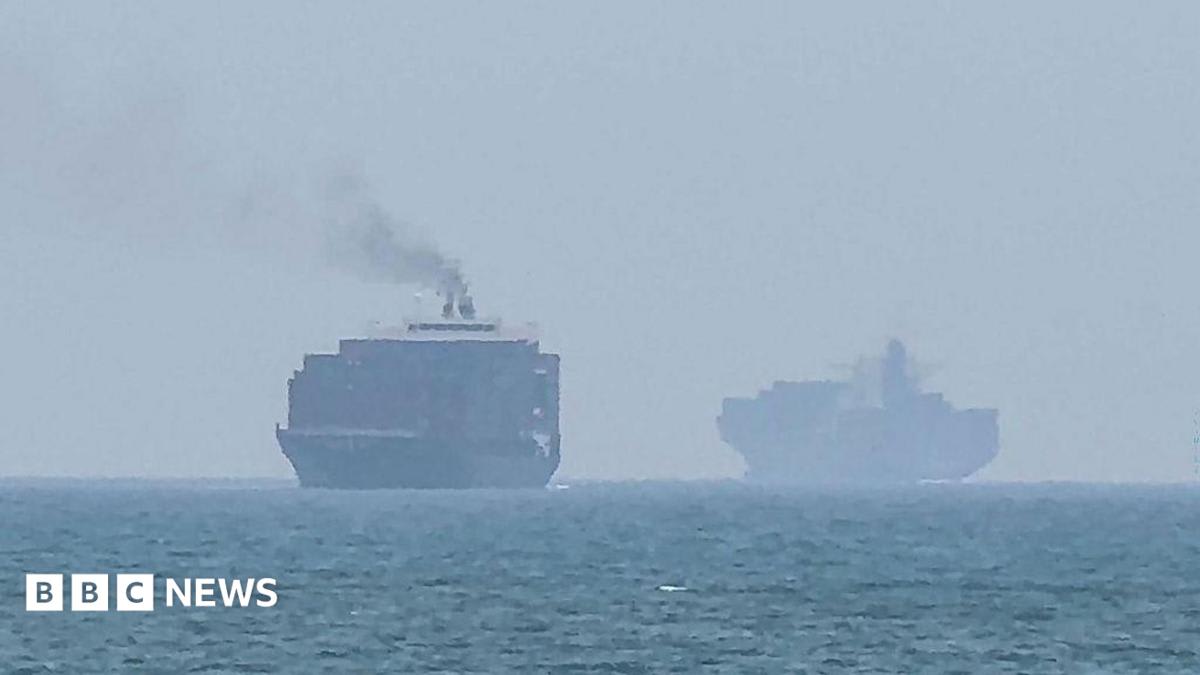
Iran and Oman are nearing an agreement on a new shipping route through the Strait of Hormuz. Despite diplomatic progress, Tehran maintains that a full reopening of the critical waterway remains contingent on broader geopolitical demands, including the lifting of sanctions.
Diplomatic Maneuvering in the Strait of Hormuz
Recent reports indicate a significant, albeit cautious, diplomatic breakthrough regarding the Strait of Hormuz. Oman has emerged as a key mediator, facilitating discussions with Iran to establish a new shipping corridor. This development comes as the international community watches the vital waterway, which historically facilitates the transit of approximately 20% of the world’s oil and gas supply, remain effectively blockaded following escalating regional tensions involving the United States and Israel.
The Scope of the Potential Agreement
While Iranian Foreign Minister Abbas Araghchi has characterized the talks as being in their final stages, the nature of this potential agreement is nuanced. Both Iranian and Omani officials suggest that while a framework for a new shipping route is being finalized, this does not equate to an immediate or total restoration of maritime traffic. Tehran has explicitly stated that it will not return to the previous traffic management system, opting instead for a new, controlled corridor that reflects current security realities.
Geopolitical Preconditions and Demands
Beyond the technical aspects of shipping lanes, the reopening of the Strait remains deeply intertwined with broader geopolitical grievances. Iranian officials have linked the normalization of the waterway to a series of stringent demands. These include the cessation of military threats against Iran and its regional allies, the payment of compensation for damages, the total lifting of international sanctions, and the unfreezing of Iranian assets held abroad. These conditions highlight the complexity of the negotiations, as simple logistics are being held hostage by deep-seated diplomatic hostility.
The Role of Oman as a Strategic Mediator
Oman’s role in these negotiations is consistent with its long-standing foreign policy of neutrality and quiet diplomacy. By acting as an intermediary between Tehran and the international community, Oman attempts to mitigate the economic fallout of the blockade. However, the Omani foreign ministry has also issued stern warnings against further attacks on shipping, emphasizing that such volatility could derail the delicate progress made in recent days.
Implications for Global Energy Markets
For the global economy, the closure of the Strait of Hormuz represents a significant supply chain vulnerability. The presence of smoke near Bandar Abbas, as noted in recent imagery, serves as a stark reminder of the kinetic conflict that has paralyzed this maritime chokepoint since February. While the United States has signaled an expectation that a deal may be reached soon, the gap between a temporary shipping corridor and the restoration of global energy security remains wide.
Future Outlook and Conclusion
Looking ahead, the success of these talks hinges on whether Tehran’s demands for sanctions relief can be reconciled with Western security interests. As Iran insists that the reopening is subject to "other conditions," the international community must prepare for a scenario where shipping is only partially restored under strict, new parameters. The situation remains fluid, and while the progress in Omani-led talks provides a glimmer of hope, the path to a fully functional and secure Strait of Hormuz remains fraught with political obstacles.