'Hellscape' strategy: How Taiwan plans to use drones to stop China in its tracks
Source Entity
YASHASVI VASISTHA
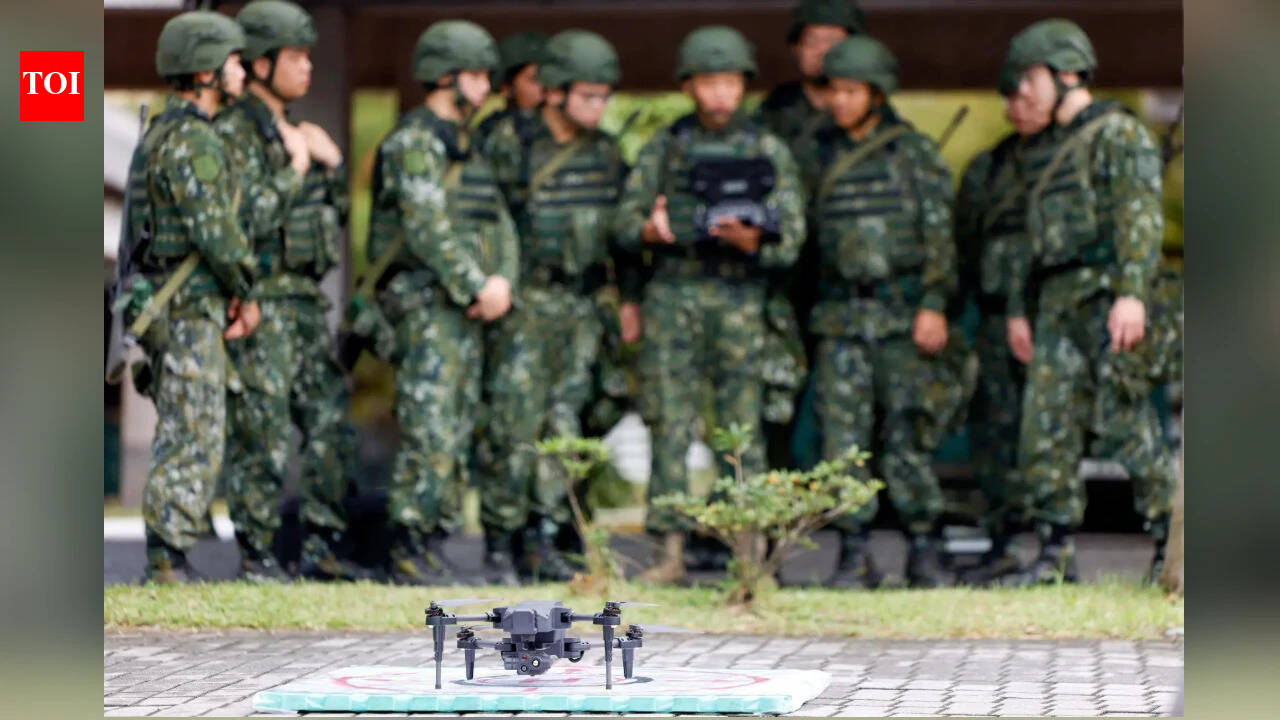
Taiwan is rapidly scaling its drone production to reach 100,000 units monthly by 2030, adopting a 'hellscape' defense strategy inspired by Ukraine's success. This initiative aims to deter potential Chinese aggression through mass-deployed aerial and maritime unmanned systems.
The 'Hellscape' Doctrine: Taiwan's Strategic Shift
Taiwan is currently undergoing a transformative shift in its military doctrine, moving toward a decentralized, high-volume drone strategy designed to deter a potential Chinese invasion. By prioritizing the mass production of both aerial and unmanned surface drones, the island nation aims to create a defensive environment so complex and costly that it would effectively stall or break an invading force before it could establish a foothold. This approach, often referred to as the 'hellscape' strategy by U.S. military commanders, leverages the asymmetric power of low-cost, high-impact technology to counter the conventional military superiority of a larger adversary.
Lessons from the Ukrainian Front
The implementation of this strategy is heavily influenced by the ongoing conflict in Ukraine, where small, inexpensive drones have consistently neutralized much larger and more expensive military assets. By observing how Ukrainian forces utilize drone swarms to detect, track, and engage Russian forces, Taiwan has recognized that traditional, heavy-platform defense is insufficient. The adoption of these lessons represents a fundamental change in how Taiwan prepares its troops, shifting from a focus on static defense to an agile, tech-forward combat posture that emphasizes persistent surveillance and rapid strike capabilities.
Scaling Production to 100,000 Units
A cornerstone of Taiwan's defense plan is the ambitious goal to manufacture 100,000 drones per month by 2030. This massive industrial undertaking is not merely a military acquisition program but a strategic expansion of Taiwan's indigenous manufacturing and export capabilities. By fostering a domestic ecosystem for essential drone components and maritime drone technology, Taiwan is reducing its reliance on foreign supply chains while simultaneously building a robust industrial base that can sustain a long-term conflict.
The Technological Arms Race
As Taiwan accelerates its drone development, it is also engaging in an escalating technological arms race with China. While Taiwan focuses on mass-deployment to create a logistical 'hellscape' for invaders, China is concurrently developing sophisticated counter-drone capabilities. This dynamic suggests a future conflict scenario where electronic warfare and signal jamming will be as critical as the drones themselves, forcing both nations to innovate rapidly in the fields of autonomous navigation and hardened communication links.
Geopolitical Implications and Future Trends
The broader implication of this strategy is a significant hardening of Taiwan's deterrence posture, which may influence regional stability in the Indo-Pacific. By proving that a smaller nation can effectively leverage drone technology to hold larger forces at bay, Taiwan is setting a new precedent for regional defense. Moving forward, we can expect to see increased investment in autonomous maritime systems and a continued focus on military-industrial integration, as the ability to produce and deploy unmanned systems becomes the primary metric of national security in the 21st century.