Mojtaba orders USA army to leave Middle East: Iran set to reset the Gulf order after war?
Source Entity
Latest News: Todays Latest News Headlines from India & World | Hindustan Times | Hindustan Times
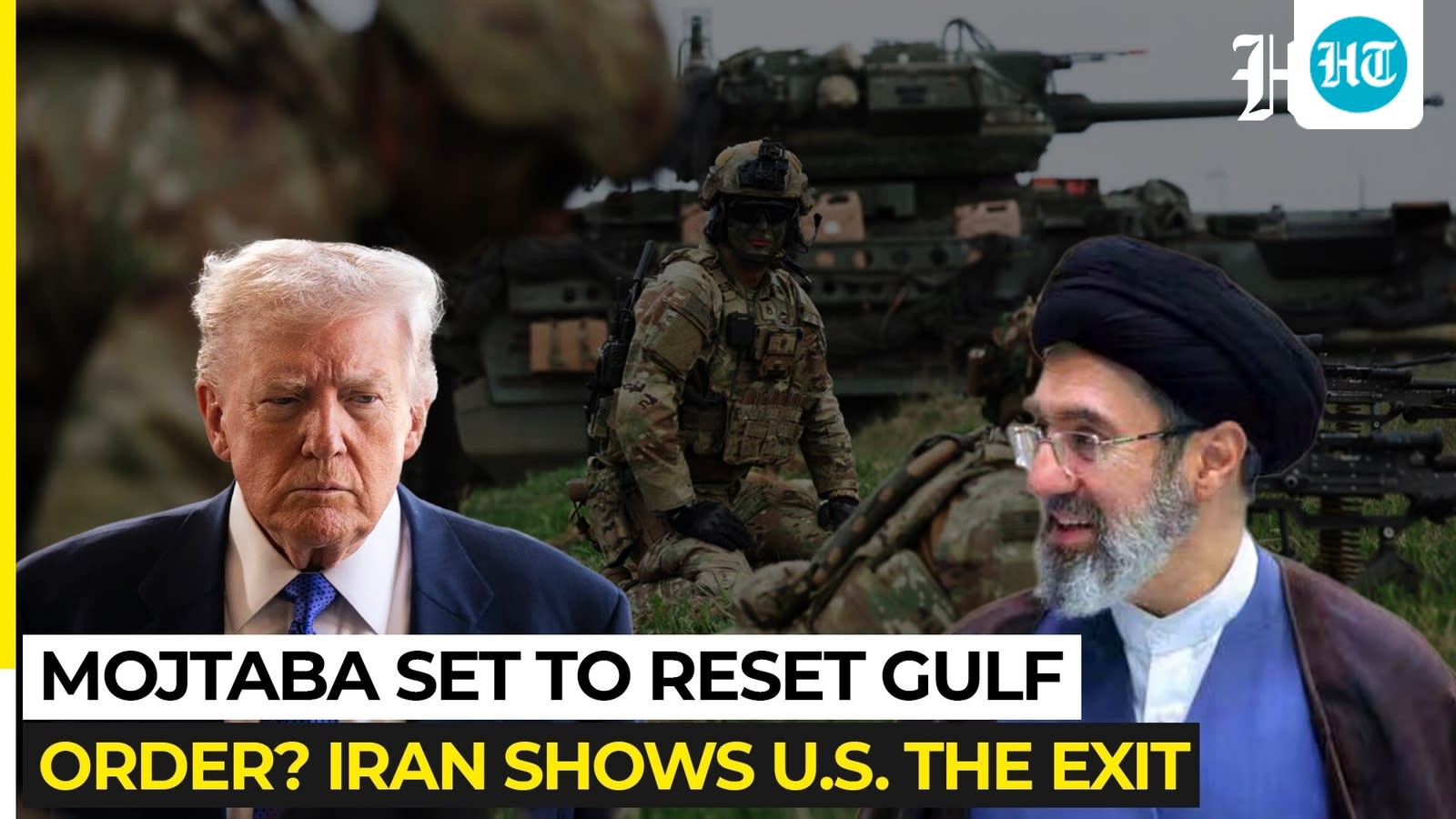
Iran is asserting a post-war regional dominance strategy, demanding the withdrawal of US forces from the Middle East. Simultaneously, the public visibility of Mojtaba Khamenei remains a point of intense scrutiny following health rumors and his absence during the conflict.
The Shifting Geopolitical Landscape of the Middle East
Recent developments in Tehran suggest a calculated attempt to reshape the security architecture of the Persian Gulf. Following a period of intense conflict, Iranian leadership, represented by Supreme Leader adviser Ali Akbar Velayati, has issued a definitive call for the removal of foreign military presence from the region. By blaming outside powers for persistent instability, Iran is attempting to frame its own armed forces and regional alliances as the sole legitimate guarantors of security, effectively challenging the long-standing status quo maintained by Western powers.
Iran's Strategic Post-War Messaging
The rhetoric emanating from Tehran, including sharp criticism from the IRGC regarding the handling of the conflict by former US officials, reflects a broader ambition to translate wartime posturing into lasting regional influence. By praising domestic public resilience and suggesting that Gulf states can achieve security independently, Iran is positioning itself as the primary architect of a new, 'post-Western' regional order. This narrative is designed to undermine the necessity of US military involvement in the eyes of local stakeholders.
The Enigma of Mojtaba Khamenei
Parallel to these geopolitical maneuvers, internal intrigue has intensified regarding the status of Mojtaba Khamenei. Noted for his absence from public view since the onset of the US-Iran conflict, his health has become a subject of significant speculation. The recent release of an undated video featuring him appears to be a state-led effort to quell rumors and maintain an image of continuity within the regime’s power structure.
Intersecting Narratives of Power
There is a profound intersection between the regime’s public stability and its regional aspirations. The need to release visual evidence of key figures like Mojtaba Khamenei underscores the importance of perceived internal unity during a time when Iran is aggressively challenging external powers. The regime likely understands that any perception of internal fragility—whether due to health or political succession crises—could undermine the credibility of its demands for the withdrawal of US forces.
Future Implications and Regional Stability
The push for a regional reset, coupled with the ongoing management of leadership optics, signals a critical inflection point for Iranian foreign policy. As Tehran continues to advocate for a Middle East free of Western military influence, the international community remains wary of the volatility this shift could introduce. Whether Iran can successfully convert its current battlefield narrative into a sustainable regional hegemony depends heavily on its ability to project both strength abroad and stability at home in the coming months.
Verification Required?