‘Where to kill Barron Trump?’ Iran state TV airs chilling video; US reacts
Source Entity
Syed Ilham Jafri
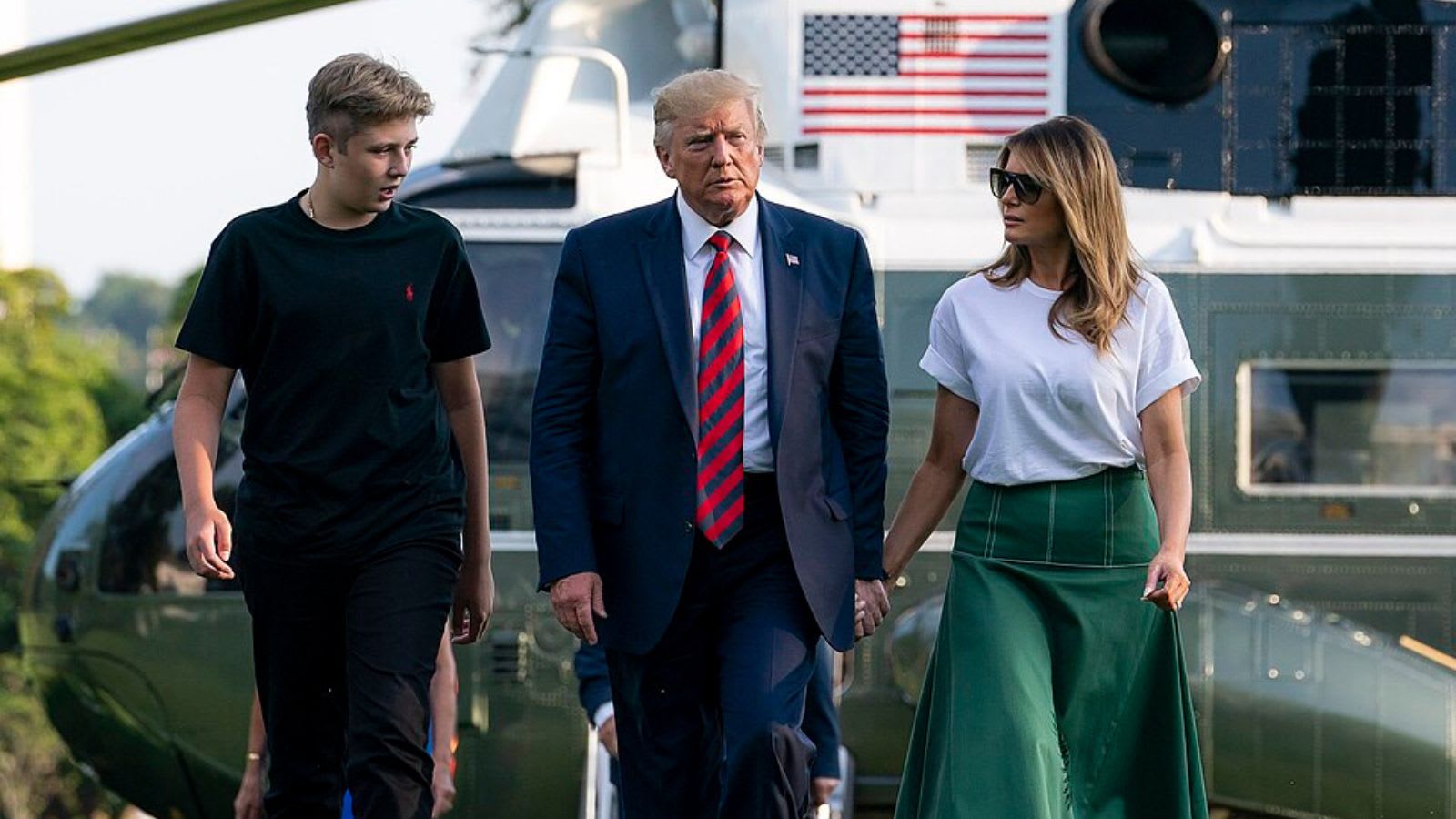
Iranian state media broadcast a video claiming to monitor Barron Trump and offering a bounty for his assassination. The U.S. Secret Service has acknowledged the threat and is conducting an investigation into the matter.
Iranian State Media Airs Threats Against Barron Trump
A disturbing development in international tensions has emerged following reports that Iranian state television broadcast a video explicitly targeting Barron Trump, the youngest son of U.S. President Donald Trump. The three-minute segment, aired on Channel 3 and linked to media affiliated with the Islamic Revolutionary Guard Corps (IRGC), alleges that the teenager’s movements are under surveillance. The video further claims to have identified specific locations associated with him, including his university and details regarding his Secret Service protection and escort vehicles.
The Nature of the Alleged Threat
Beyond the claims of surveillance, the broadcast reportedly mentions a $10 million bounty for the assassination of Barron Trump. While these claims have not been independently verified, the public nature of the broadcast has drawn immediate attention from U.S. authorities. The U.S. Secret Service has formally confirmed its awareness of the video, with spokesperson Nate Herring stating that the agency investigates any content perceived as a threat toward its protectees. While the agency maintains strict operational security regarding its methods, the acknowledgment confirms the gravity of the situation.
Geopolitical Context and Escalation
This incident occurs against a backdrop of long-standing hostility between the United States and Iran. Following the death of high-ranking Iranian officials, state-affiliated media outlets have frequently circulated rhetoric targeting American figures. By shifting the focus toward a family member of the President, this broadcast marks a potential escalation in the psychological and strategic threats emanating from Iranian state-aligned entities. It reflects a broader trend of utilizing digital media to project power and intimidate domestic and international adversaries.
Implications for Personal Security
The targeting of a President’s family member presents unique challenges for the Secret Service. Protective intelligence must now balance the reality of global digital threats—where surveillance can be simulated or augmented by publicly available information—with the physical necessity of shielding protectees. The mention of university locations and security details suggests an intent to create a climate of fear, regardless of the veracity of the claims regarding a "fully monitored" status.
Future Trends in Hybrid Warfare
This incident highlights how modern geopolitical conflicts are increasingly fought through the medium of state-sponsored information operations. By airing such content, the IRGC-affiliated media seeks to provoke a response and demonstrate reach into the domestic sphere of the U.S. leadership. Future trends suggest that "hybrid warfare" will continue to incorporate these types of digital threats, forcing security agencies to expand their threat-assessment capabilities to include global media monitoring and cyber-intelligence.
Conclusion
The threat against Barron Trump serves as a stark reminder of the volatile nature of U.S.-Iran relations. While the Secret Service continues its investigation, the incident underscores the persistent danger faced by high-profile political figures and their families in an era where state-sanctioned media can be used as a tool for international intimidation. The international community will likely continue to monitor the situation as authorities work to ensure the safety of those under protection.