Iran floats conditions for Hormuz reopening as Trump says deal could come after midterms
Source Entity
US Top News and Analysis
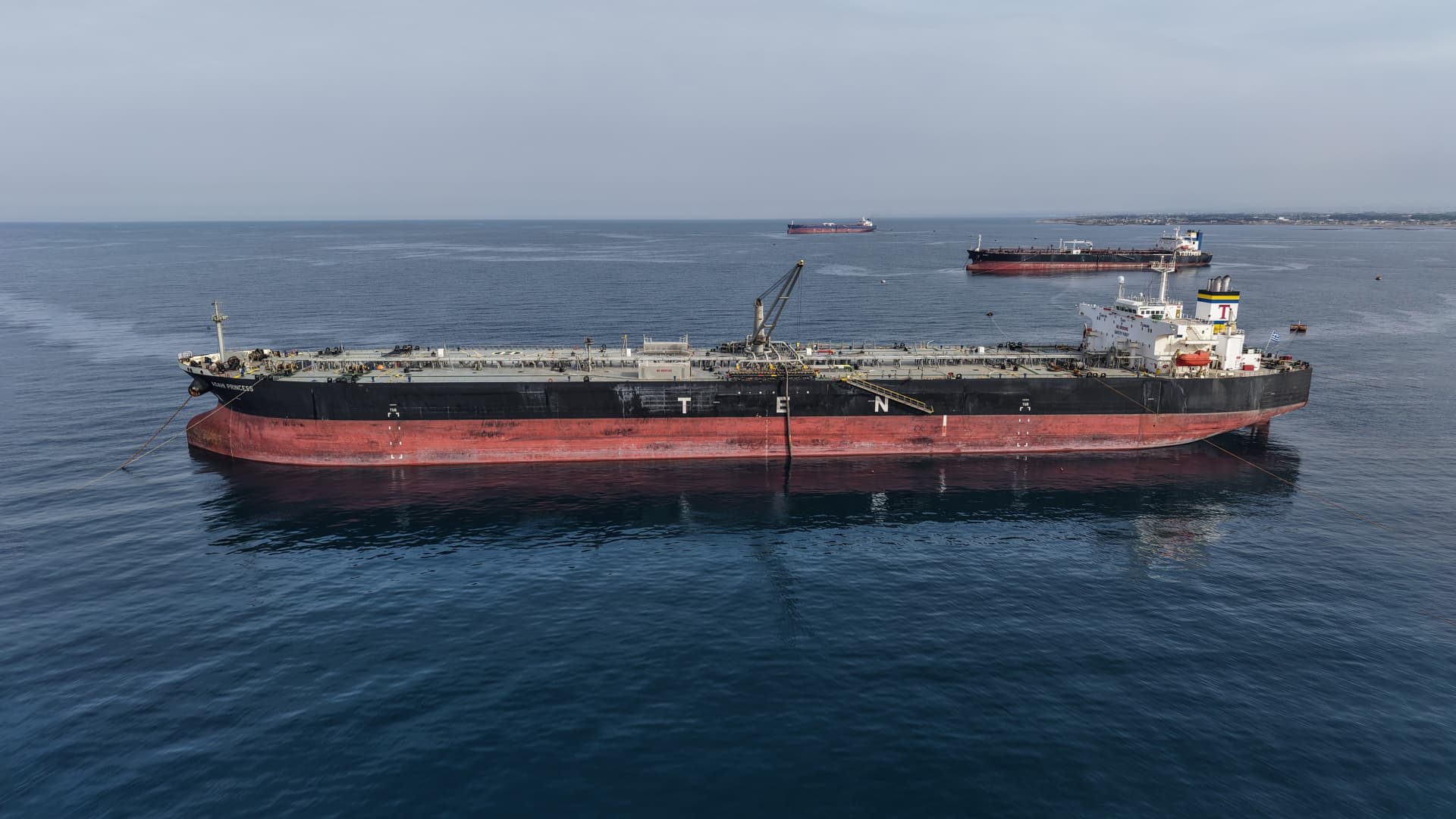
Iran has proposed conditions for reopening the strategic Strait of Hormuz, contingent on the U.S. halting economic sanctions and military pressure. While negotiations via Qatari mediators continue, potential de-escalation remains tied to broader diplomatic resolutions following the U.S. midterm elections.
Diplomatic Maneuvering in the Strait of Hormuz
Recent developments suggest a potential shift in the seven-month conflict, as Iran has begun communicating specific conditions for restoring maritime traffic through the Strait of Hormuz. This critical waterway, which historically facilitated the transit of approximately 20% of global oil and gas supplies, has been a focal point of geopolitical tension since the onset of the current war. By initiating discussions through Qatari mediators in New York, Tehran is signaling an interest in a diplomatic off-ramp, contingent upon the cessation of what it terms U.S. "acts of aggression."
The Core Demands of Tehran
The conditions outlined by Iranian foreign ministry spokesman Esmaeil Baghaei are multifaceted, targeting the pillars of the current economic and military standoff. Tehran is explicitly calling for an end to the naval blockade and the cessation of what it characterizes as economic warfare. Furthermore, the release of frozen Iranian assets remains a central pillar of their proposal. These demands reflect a strategic desire to alleviate the domestic economic pressure caused by prolonged international isolation and the disruption of energy exports, as seen in the continued flow of oil to facilities like the Baniyas Oil Terminal in Syria.
The Strategic Importance of the Strait
The Strait of Hormuz serves as the world’s most significant oil chokepoint. The ongoing closure has not only disrupted global energy markets but has also intensified the military posture of regional and international powers. The arrival of Iraqi oil shipments at the Baniyas terminal in Syria underscores the ongoing efforts to circumvent traditional maritime routes, yet these alternatives remain insufficient to replace the capacity of the Strait. A resolution to reopen the waterway would be a significant de-escalatory measure, stabilizing global energy prices and reducing the risk of a wider regional conflict.
The Role of Mediators and U.S. Policy
The involvement of Qatar as a mediator is a critical component of these negotiations. Qatar’s ability to maintain open channels with both Washington and Tehran provides a neutral ground for communicating complex demands that remain sensitive to both parties. With President Trump suggesting that a more comprehensive deal could be reached following the U.S. midterm elections, the current proposal may serve as a preliminary framework for future negotiations rather than an immediate solution.
Broader Implications and Future Trends
Looking ahead, the success of these negotiations will likely depend on the willingness of both the U.S. and Iran to make incremental concessions. The transition from a state of total blockade to a managed reopening of the Strait would represent a major diplomatic breakthrough. However, given the deep-seated mistrust and the complexity of the ongoing "war on all fronts," any progress is expected to be fragile. The alignment of these diplomatic efforts with the domestic political calendar in the U.S. suggests that while immediate relief is unlikely, a structured path toward de-escalation is being actively constructed.
Conclusion
In summary, the proposal to reopen the Strait of Hormuz offers a glimmer of hope for stabilizing one of the world's most volatile regions. By addressing core grievances regarding economic sanctions and naval blockades, the parties involved are testing the waters for a broader diplomatic settlement. While the path remains fraught with challenges, the move toward mediation suggests that both sides are beginning to prioritize the economic and strategic necessity of restoring maritime trade over the continuation of the current conflict.