Iran security chief threatens to strike US military bases in Europe if used for attacks
Source Entity
Latest News: Todays Latest News Headlines from India & World | Hindustan Times
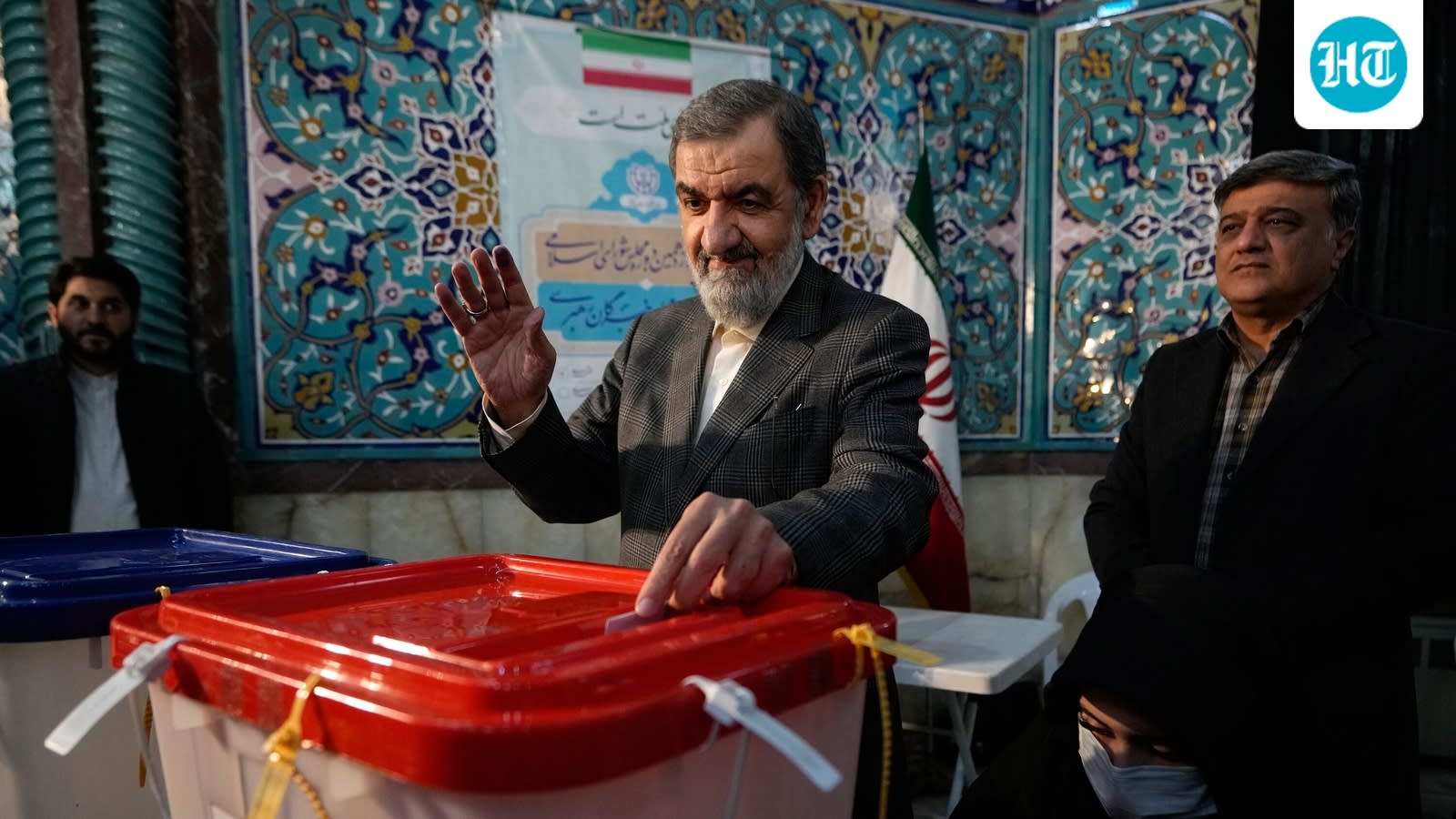
Iranian security chief Mohsen Rezaei has warned that Iran will target U.S. military bases in Europe and other distant regions if they are used to launch attacks against the Islamic Republic. This declaration marks a significant expansion in Iran's stated defensive strategy amid the ongoing conflict.
Escalating Rhetoric: Iran's Strategic Warning
In a significant development concerning the ongoing Middle East conflict, Iranian security chief and former Revolutionary Guard commander Mohsen Rezaei has issued a stern warning regarding the geographic scope of potential retaliatory strikes. Speaking to Lebanon-based Al Mayadeen TV, Rezaei stated that Iran would not limit its response to the immediate region if the United States utilizes its global network of military installations to conduct offensive operations against the Islamic Republic.
Expanding the Theater of Conflict
The core of Rezaei’s declaration is the explicit threat to strike U.S. bases located in Europe or other distant regions if those facilities are utilized as launchpads for aerial bombardments against Iran. By emphasizing that no base, regardless of its distance from the Middle East, is exempt from potential retaliation, Iranian leadership is attempting to leverage the concept of 'strategic depth' to deter U.S. military involvement. This shift represents a departure from traditional regional-only containment strategies, signaling that Iran is prepared to widen the conflict's theater.
Historical Precedents and Strategic Signaling
Historically, Iran has frequently utilized rhetoric regarding its missile capabilities to project power and deter adversaries. However, the specific mention of European bases and 'certain islands' that the U.S. assumes are beyond the reach of Iranian missiles suggests a calculated effort to force the U.S. and its allies into a complex logistical dilemma. By threatening assets in sovereign European nations, Iran is attempting to create political friction between the U.S. and its NATO partners, potentially forcing these nations to reconsider the hosting of U.S. military assets during periods of heightened tension.
The Impact of Recent Military Losses
The context of this warning is deeply rooted in the current military landscape. The conflict, which reportedly escalated on February 28 following joint U.S.-Israeli strikes that resulted in the death of Iran’s supreme leader, has fundamentally altered the security architecture of the region. This loss has clearly pushed Tehran to adopt a more aggressive posture, moving away from proxy-based warfare toward direct, albeit rhetoric-heavy, confrontations with the United States.
Broader Geopolitical Implications
If these threats were to be operationalized, the global security architecture would face an unprecedented challenge. The prospect of an intercontinental exchange involving U.S. bases in Europe would likely trigger an immediate activation of Article 5 commitments and necessitate a massive international response. Consequently, the international community is closely monitoring these statements as a barometer for how Iran might attempt to survive and strike back following the degradation of its domestic leadership structure.
Future Trends and Conclusion
Looking forward, the trend suggests a move toward 'asymmetric globalization' of the conflict. Iran is signaling that it no longer views the war as a contained Middle Eastern issue but as a global contest. As the U.S. continues to maintain its footprint across the globe, the ability of states like Iran to influence international security through long-range missile threats will remain a critical focal point for Western defense planners. Ultimately, Rezaei’s comments serve as both a defensive warning and a psychological operation aimed at disrupting the operational freedom of the United States military.
Verification Required?