'We will find you': Iran threatens two US Navy officers as their warship returns home
Source Entity
Latest News: Todays Latest News Headlines from India & World | Hindustan Times
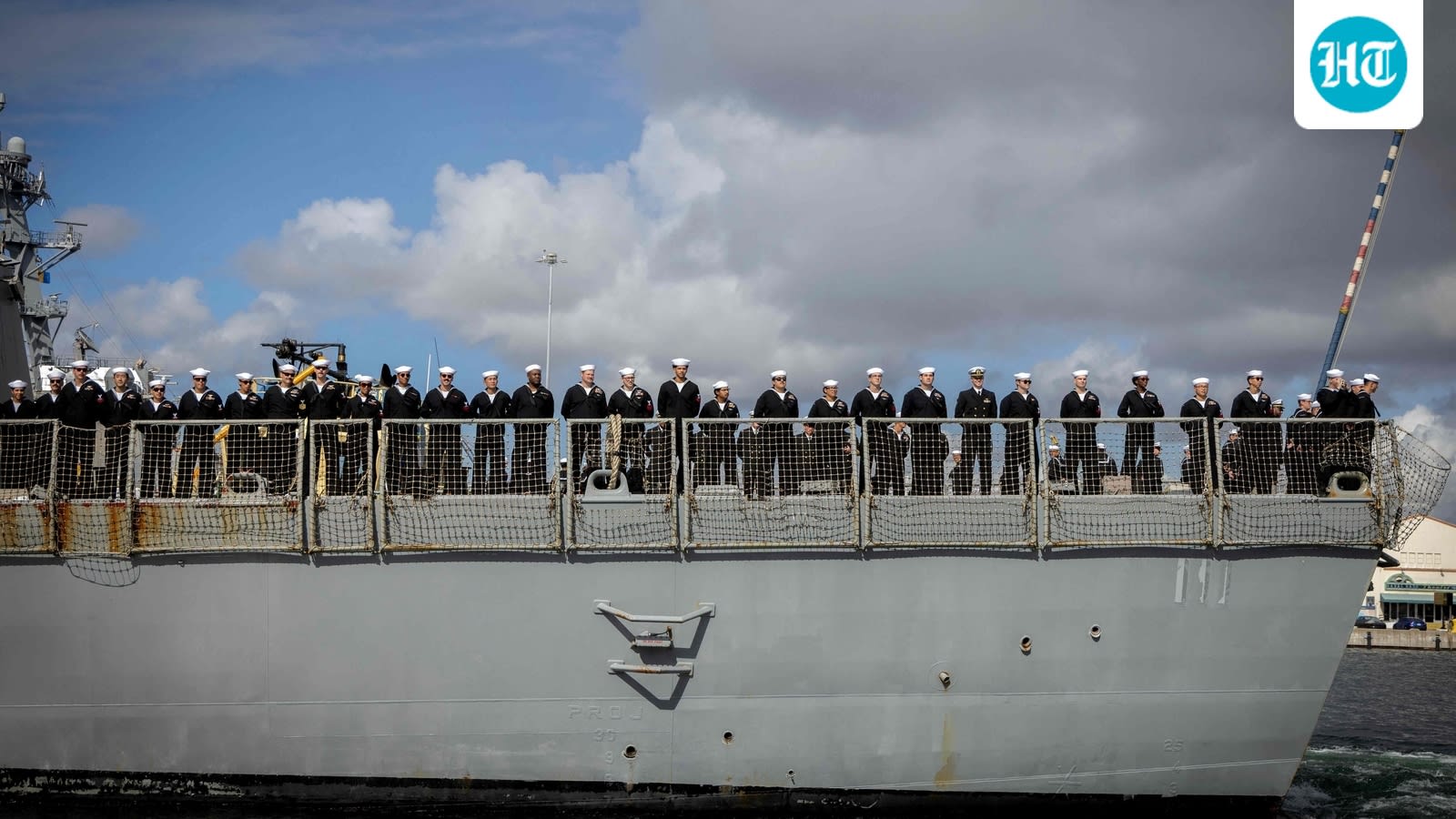
The Iranian embassy in South Africa has issued a direct threat against two US Navy officers following the return of the USS Spruance from a record-breaking deployment. This unprecedented targeting of specific personnel has raised significant security concerns within the US military establishment.
Escalation of Diplomatic Hostility
The recent social media post by the Iranian embassy in South Africa marks a significant and concerning escalation in diplomatic rhetoric. By explicitly identifying Cmdr. Leigh R. Tate and Lt. Cmdr. Jeffrey E. York—the commanding and executive officers of the USS Spruance—and stating "We will find you," the Iranian diplomatic mission has moved beyond state-level posturing into the realm of personal intimidation. This development signals a shift in how regional tensions are being communicated, moving from general grievances against the United States to the targeting of specific individual service members.
The Context of the USS Spruance Deployment
The threat coincides with the conclusion of a historic 357-day deployment for the USS Spruance, which has been cited by the US Navy as the longest destroyer deployment since World War II. During this extended period, the vessel was engaged in combat operations against Iranian-backed forces, likely in the context of maintaining maritime security in the Middle East. The sheer duration of this mission placed unique strain on the crew and the ship's systems, and the fact that it concluded with such a high-profile threat suggests that the operational impact of the Spruance was significant enough to draw the direct ire of the Iranian government.
Security Implications for US Personnel
For the Department of Defense, this incident creates a pressing security challenge. While diplomatic missions are traditionally protected under the Vienna Convention, the use of an embassy's official platform to threaten military personnel suggests a disregard for standard diplomatic norms. This "naming and shaming" tactic is designed to create psychological pressure on individual officers, potentially complicating their future deployments and personal security. Washington’s concern is not merely about the post itself, but about whether this represents a broader intent to facilitate extra-legal retaliation against American personnel outside of a declared combat zone.
Historical Precedents and Regional Tensions
The history of US-Iran maritime relations is fraught with tension, often characterized by "cat-and-mouse" interactions in the Persian Gulf and the Red Sea. However, the move to target specific officers via a third-country embassy (South Africa) is an unconventional strategic choice. It expands the geography of the conflict, suggesting that Iran is willing to utilize its diplomatic outposts globally to project power and exert pressure. This move reflects a wider trend of regional powers using cyber-channels to conduct psychological warfare against their adversaries.
Future Trends in Maritime Confrontation
Looking forward, this incident suggests that the threshold for "combat operations" may be evolving to include persistent digital threats against command staff. As the US Navy continues to maintain a high operational tempo, the risk to individual officers will likely remain a focal point for military intelligence. We can expect the US to tighten security protocols for commanding officers involved in high-stakes deployments, while simultaneously reassessing the diplomatic status of Iranian entities that utilize such aggressive rhetoric. The safety of personnel has now become inextricably linked to the digital information space, where a single post can trigger a major security review.
Verification Required?