US on alert after Iran plots to target Americans abroad reach ‘advanced stages’: Report
Source Entity
TRISHA MAHAJAN
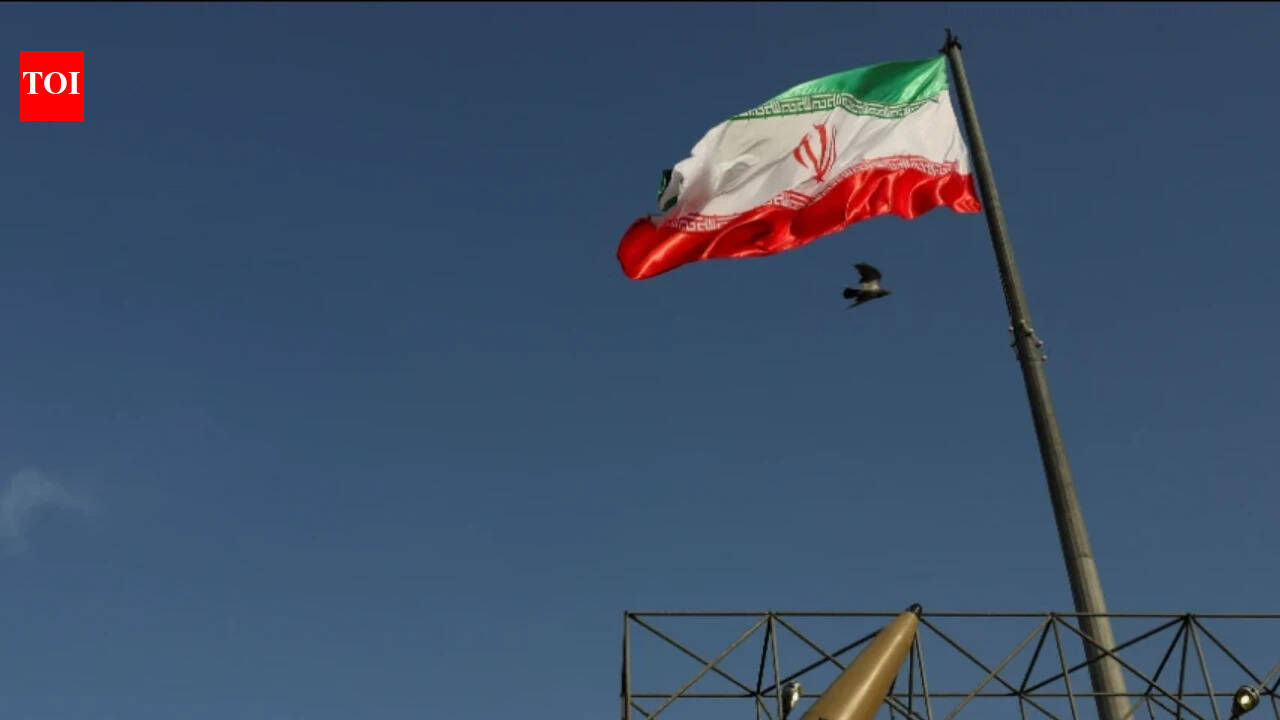
The U.S. has reduced embassy staff across the Middle East following intelligence reports that Iranian plots to target American diplomats have reached advanced stages. Director of National Intelligence Jay Clayton has alerted Secretary of State Marco Rubio to these heightened threats amid ongoing regional conflict.
Escalating Security Threats: Iran’s Advanced Targeting of U.S. Personnel
Recent intelligence reports have signaled a critical shift in the geopolitical landscape, as Director of National Intelligence Jay Clayton has formally notified Secretary of State Marco Rubio that Iranian efforts to target American diplomats and government officials have reached "advanced stages." According to a memo dated October 23, these plots—which explicitly involve the potential for loss of life—are not localized solely to the Middle East but represent a globalized effort to endanger U.S. personnel. This development marks a significant escalation in the ongoing tensions between Washington and Tehran, which have now entered their eighth month of sustained friction.
Strategic Drawdowns and Embassy Security
In direct response to these heightened threats, the U.S. government has initiated a significant reduction in staffing levels at several key diplomatic missions. Embassies in Jordan, Lebanon, Qatar, and the United Arab Emirates are currently undergoing staff curtailments to minimize risk. Furthermore, non-essential personnel and their families have been ordered to evacuate Saudi Arabia. These measures are a calculated effort to protect American lives while the administration evaluates its strategic posture, as the presence of U.S. diplomats remains a primary focal point for Iranian-backed aggression.
The Nexus of Regional Conflict and Houthi Attacks
The decision to tighten security protocols is intrinsically linked to the worsening security environment in the region, specifically exacerbated by persistent Houthi assaults on Saudi territory. The Saudi-led coalition’s ongoing struggle against these Iran-backed factions has created a volatile vacuum, which intelligence agencies fear Iran is exploiting to conduct lethal operations against U.S. citizens. The synergy between state-led Iranian plots and proxy warfare by the Houthis suggests a multi-front pressure campaign designed to test the resolve of the Trump administration.
Intelligence and Political Implications
Director Jay Clayton’s assessment, conveyed to Secretary Rubio, highlights a "substantial increase" in efforts to target Americans. This intelligence carries heavy weight as it arrives during a period of intense political scrutiny, including the approach of U.S. midterm elections. The administration is now tasked with balancing the necessity of diplomatic representation abroad against the imperative of safeguarding personnel from imminent threats. The reports indicate that the threats are no longer abstract, but are actively being operationalized, necessitating the current high-alert status.
Future Trends and Strategic Outlook
Looking forward, the trajectory of this conflict remains precarious. With President Trump keeping the option of renewed strikes "open," the administration is signaling a shift toward a more kinetic approach to deterrence. If these "advanced" plots continue to manifest, it is highly probable that the U.S. will further isolate its diplomatic footprint in the region or bolster its military posture to provide a credible deterrent. The international community is closely monitoring this situation, as any miscalculation in this high-stakes environment could trigger a broader, more direct confrontation between the United States and Iran.
Multiple Citing Sources