Ireland recovers remains of 99 infants from former Tuam mother and baby home
Source Entity
TOI WORLD DESK
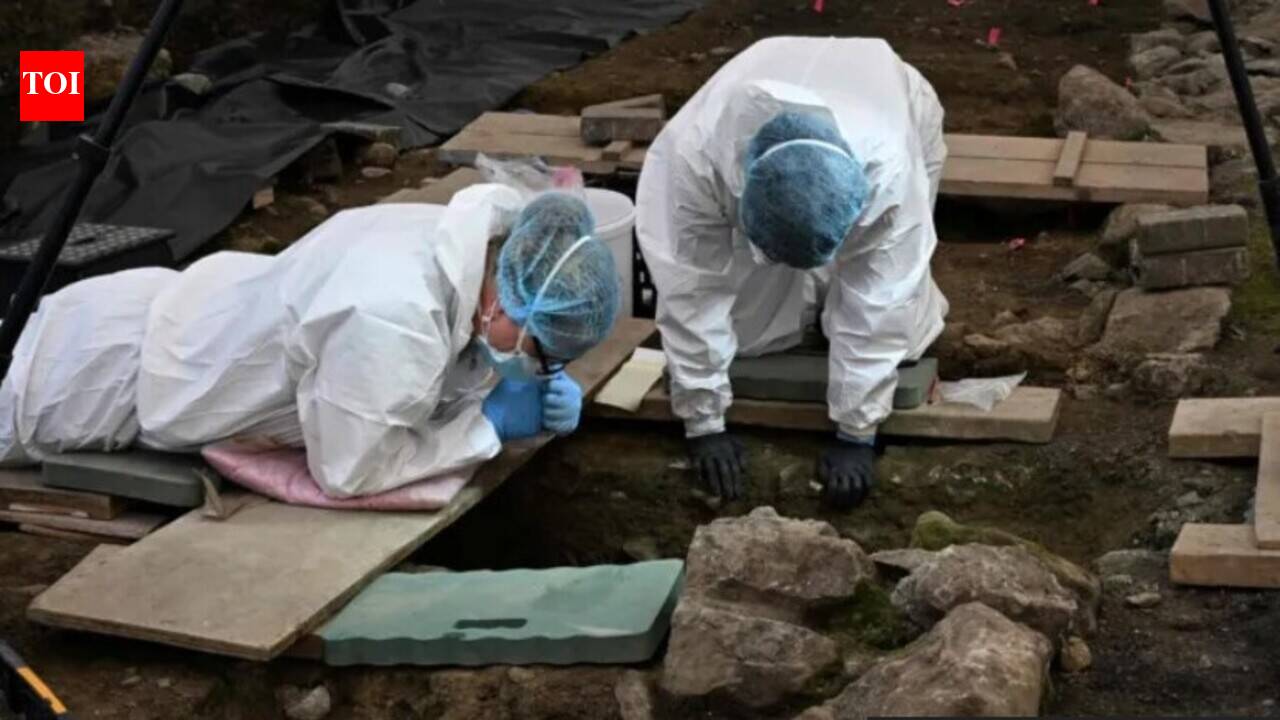
Ireland has recovered 99 infant remains from the former Tuam mother and baby home in County Galway. This forensic excavation seeks to identify victims through DNA analysis and address a painful legacy of institutional history.
Uncovering the Past: The Tuam Excavations
The recovery of 99 infant remains from the former Tuam mother and baby home in County Galway marks a significant, if harrowing, milestone in Ireland’s efforts to confront its institutional past. For decades, the site remained a silent testament to the tragic loss of life that occurred behind the walls of this institution, which was operated by the Bon Secours Sisters between 1925 and 1961. The current forensic excavation is not merely an archaeological endeavor; it is a profound state-led commitment to uncovering the truth of a dark chapter in Irish history.
The Historical Context of Mother and Baby Homes
During the mid-20th century, Ireland’s social landscape was heavily influenced by conservative religious and state structures. The Tuam home, owned by Galway County Council, served as a facility for unmarried mothers and their children. The high mortality rates and subsequent burial practices within these institutions have long been a subject of national scrutiny and public outcry. By acknowledging these events, the state is attempting to reconcile the harsh realities of historical institutional policies with modern human rights standards.
Forensic Science and the Quest for Identity
Central to the current operation is the use of advanced DNA analysis. The primary goal of this delicate process is to identify the remains and return them to their surviving families. Restoring the identities of these children is a critical step in providing closure to families who have lived with uncertainty for generations. This scientific approach represents a shift from historical erasure to active remembrance and respect for the deceased.
Institutional Accountability and State Responsibility
The involvement of both the religious order, the Bon Secours Sisters, and the local government, Galway County Council, underscores the complex web of responsibility that characterized these institutions. The ongoing excavations serve as a formal acknowledgement by the Irish state of its duty to investigate these sites with dignity. This process is essential for the national healing process, ensuring that the stories of those who suffered in silence are finally documented and addressed.
Broader Implications and Future Trends
This investigation sets a precedent for how nations address historical institutional abuse. By prioritizing forensic evidence and transparency, Ireland is creating a framework for dealing with similar sites of collective trauma. Future trends suggest that the findings from Tuam will likely inform broader social and legislative reforms, ensuring that the protection of vulnerable populations remains a central tenet of Irish public policy moving forward.
Conclusion: A Path Toward Dignity
Ultimately, the recovery of these remains is an act of restoration. While the findings confirm the tragic nature of the Tuam home's history, they also provide a pathway for the victims' families to find peace. Through the rigorous application of forensic science and a commitment to historical honesty, Ireland is ensuring that the 99 children recovered—and those still to be found—are treated with the dignity they were denied in life.