Sri Lankan Navy arrests 9 Indian fishermen near Talaimannar
Source Entity
The Indian Express
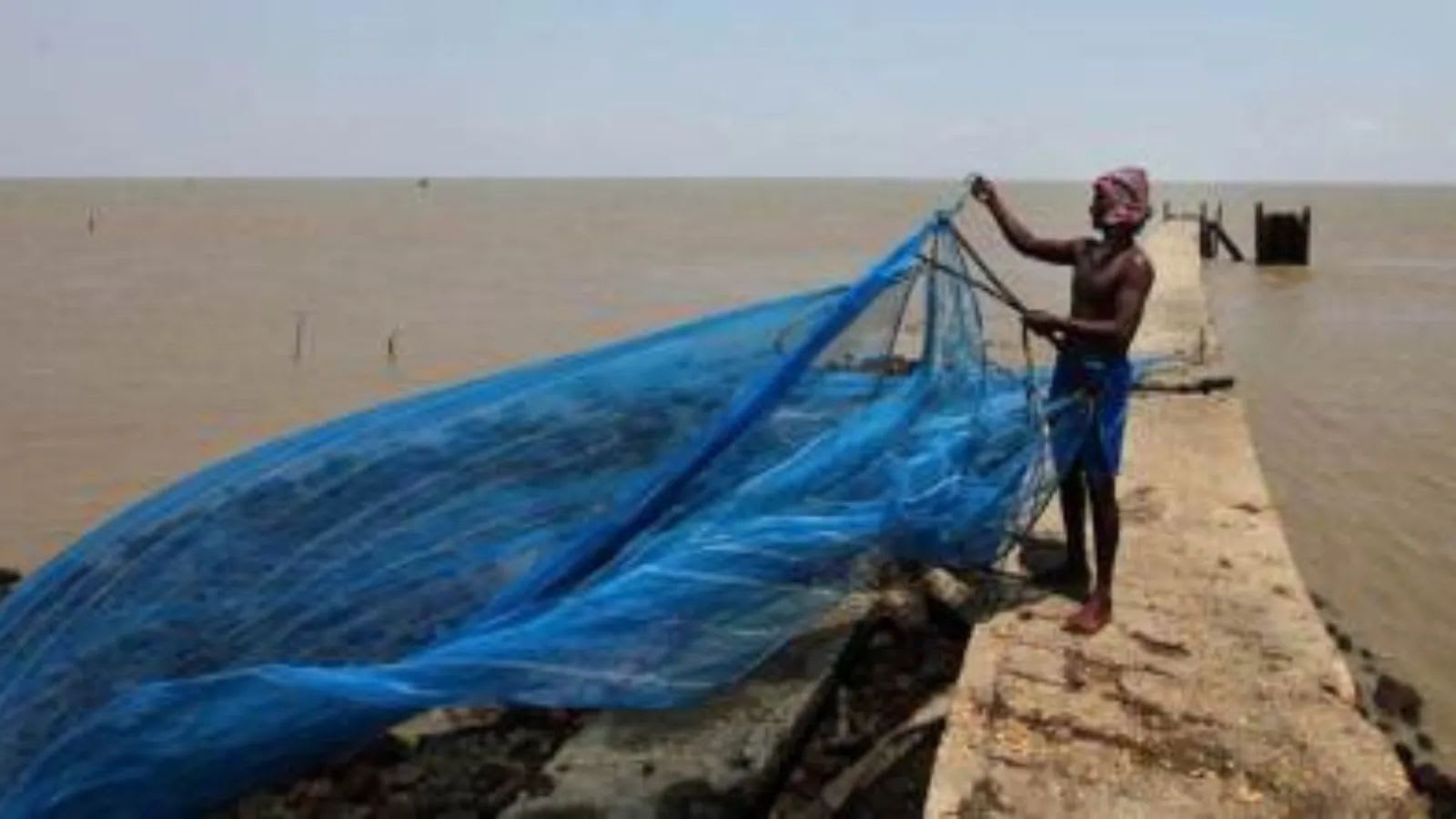
The Sri Lankan Navy has arrested nine Indian fishermen from Rameswaram for allegedly crossing the International Maritime Boundary Line near Talaimannar. This incident adds to ongoing regional tensions, with 18 Rameswaram fishermen currently held in Sri Lankan custody.
Tensions Escalate in the Palk Strait
The arrest of nine Indian fishermen by the Sri Lankan Navy near Talaimannar on July 22, 2026, marks the latest flashpoint in a decades-long maritime conflict. These fishermen, hailing from the Rameswaram region including Pamban and Thaganchimadam, were apprehended while allegedly poaching in Sri Lankan territorial waters. The operation, which involved the seizure of their trawler, highlights the persistent instability surrounding the International Maritime Boundary Line (IMBL).
The Mechanics of the Dispute
The Palk Strait serves as a vital but contentious fishing ground for both nations. The conflict primarily stems from the use of bottom trawling by Indian vessels, which Sri Lankan authorities claim depletes marine resources and destroys the livelihoods of their local coastal communities. While the Fisheries Department in India issued tokens to 469 boats on the day of the incident, the subsequent arrest of nine individuals indicates that the demarcation of the IMBL remains a fluid and dangerous zone for those seeking to maximize their catch.
Historical and Humanitarian Context
This incident is not an isolated event but rather part of a recurring cycle of detentions. With 18 fishermen from the Rameswaram area now reported to be in Sri Lankan prisons, the humanitarian impact on the affected families is significant. Historically, the Katchatheevu island region has been a focal point for these arrests, as fishermen from both countries frequently cross the boundary in pursuit of lucrative fishing grounds, often leading to diplomatic friction between New Delhi and Colombo.
Broader Geopolitical Implications
The recurring nature of these arrests poses a persistent challenge to bilateral relations. These maritime disputes often necessitate high-level diplomatic intervention to secure the release of detainees and their vessels. The fact that over 50 Indian trawlers were allegedly spotted south of Iranativu suggests that despite previous diplomatic efforts to regulate fishing activities, the economic desperation of the fishing communities continues to drive them into contested waters.
Future Trends and Outlook
Looking ahead, the resolution of this issue remains complex. Unless a permanent, sustainable framework for resource sharing or technological monitoring of the IMBL is implemented, such arrests are likely to continue. The reliance on the Fisheries Inspector of Mannar for legal proceedings underscores the formalized, yet adversarial, nature of how these disputes are currently managed. The ongoing detention of 18 fishermen serves as a stark reminder that until a long-term diplomatic solution is found, the Palk Strait will remain a high-risk zone for the coastal populations of both India and Sri Lanka.