Is The Odyssey a true story? Here's what we know about history and the book which inspired Christopher Nolan's movie
Source Entity
Latest News: Today's Latest News Headlines from India & World | Hindustan Times | Hindustan Times
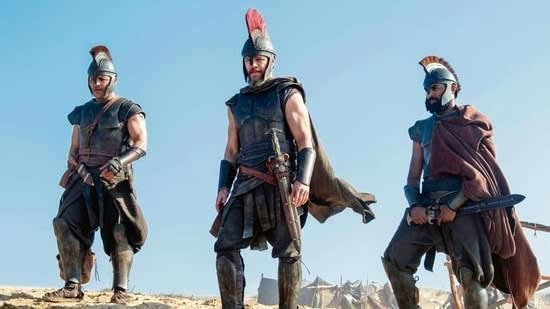
Homer's epic poem 'The Odyssey' is a work of fiction blending mythology with historical influences. While it features supernatural elements, it is rooted in the cultural and geographical context of the Bronze Age Greek world.
The Mythological and Historical Foundations of The Odyssey
Recent discussions surrounding Christopher Nolan’s cinematic interest in The Odyssey have reignited a perennial debate: to what extent is Homer’s ancient epic a reflection of historical reality? At its core, The Odyssey is a foundational work of Western literature, classified primarily as an epic poem rather than a historical chronicle. It is explicitly not a true story, as it relies heavily on supernatural elements, including the intervention of Olympian gods, the encounter with the monstrous Cyclops, and the allure of deadly sirens. These fantastical components serve as allegorical frameworks rather than literal historical accounts.
The Intersection of Myth and Bronze Age Reality
Despite its fictional nature, scholars have long argued that The Odyssey is deeply embedded in the cultural fabric of the Greek Bronze Age. The narrative acts as a vessel for the values, social structures, and navigation techniques of ancient mariners. While the gods and monsters are clearly literary inventions, the poem captures the geopolitical realities of a fractured Greek landscape characterized by shifting alliances, maritime trade routes, and the constant threat of warfare between competing kingdoms.
Connections to Troy and Ancient Warfare
One of the most compelling aspects of the epic is its potential connection to the historical city of Troy. Archaeological findings, most notably the excavations at Hisarlik in modern-day Turkey, suggest that the site once known as Troy was a significant hub of conflict. The inclusion of these historical markers in the poem suggests that Homer was weaving real-world locations and the memory of archaic warfare into his mythological tapestry. By grounding the fantastical journey of Odysseus in a recognizable geography, the poem gains a sense of gravity that resonates across millennia.
The Cinematic Reinterpretation of Classics
Christopher Nolan’s engagement with this material highlights a modern trend of re-examining classical texts through a contemporary lens. By bringing these ancient narratives to the screen, directors often grapple with the challenge of balancing the poem's inherent mythos with the audience's desire for historical grounding. The fascination with whether The Odyssey is a 'true story' speaks to our collective desire to find the human heart—the real struggles of home, loss, and survival—within the grand, supernatural narratives of the past.
Conclusion: The Enduring Legacy of Homer
Ultimately, The Odyssey serves as a bridge between the historical realities of the ancient world and the imaginative power of oral tradition. It is a synthesis of genuine cultural memory and creative storytelling. While we must categorize the poem as fiction, its enduring power lies in its ability to reflect the complexities of the human experience, using the backdrop of a semi-historical Bronze Age to explore themes that remain relevant in the modern day.
Verification Required?