ISL roundup: East Bengal can’t stop scoring; fatigue impacts teams
Source Entity
Rohit Mundayur
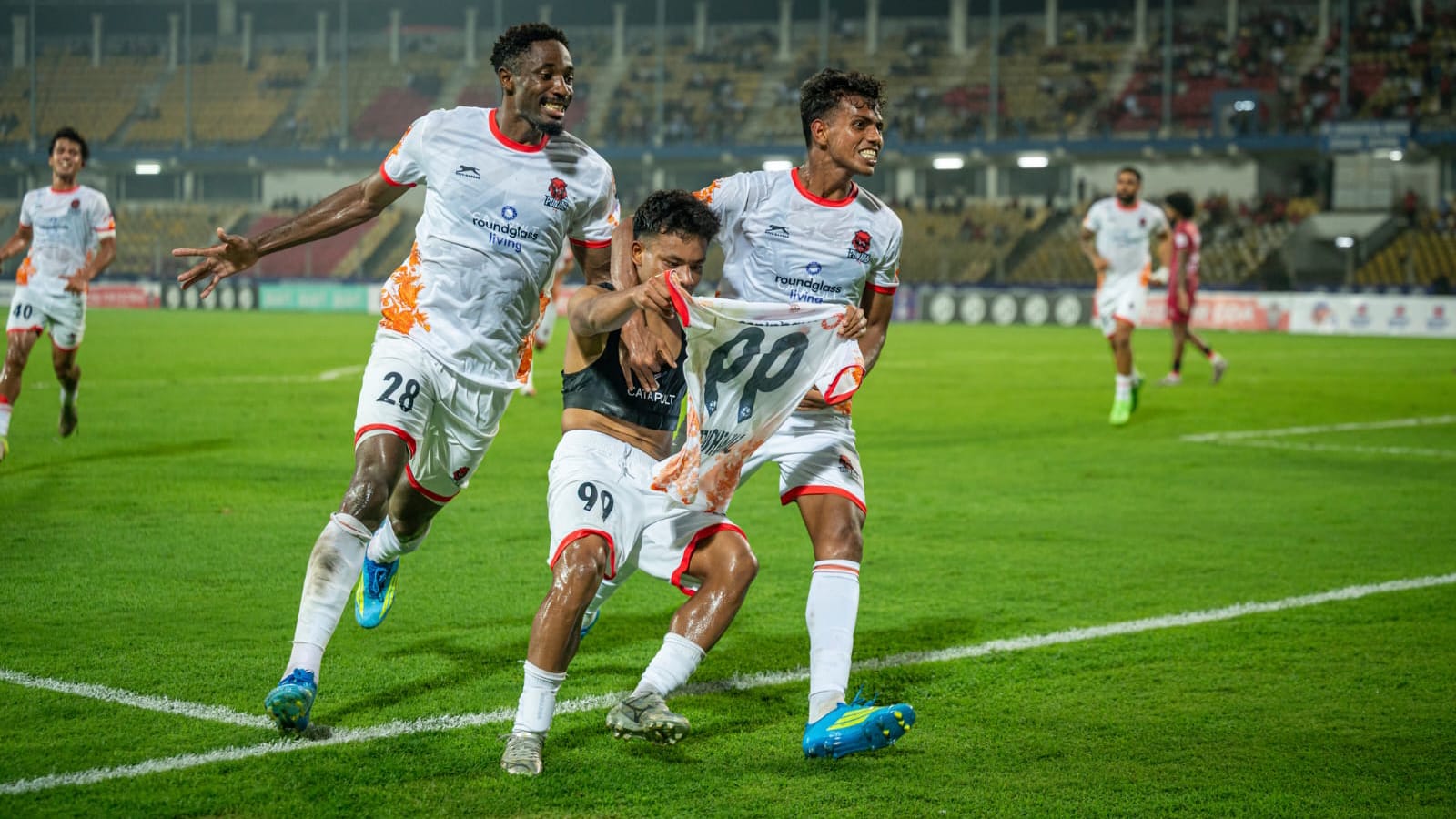
The 2026/27 Indian Super League season highlights a stark contrast between East Bengal's prolific scoring and a broader trend of fatigue affecting other clubs. A high frequency of late-game goals continues to define the season's competitive landscape.
The 2026/27 ISL Landscape: Scoring Disparities and Fatigue
The 2026/27 Indian Super League (ISL) season is currently unfolding with a fascinating tactical dichotomy. While East Bengal has emerged as a dominant offensive force, consistently finding the back of the net, the rest of the league is struggling to maintain similar efficiency. This disparity suggests that while some teams have successfully integrated their attacking systems, others are grappling with inconsistencies in the final third.
The Challenge of Offensive Consistency
Recent match weeks have highlighted a noticeable struggle for consistency across several top-tier clubs. The occurrence of two goalless draws—specifically the Odisha FC-NorthEast United fixture and the Kerala Blasters versus Mumbai City encounter—underscores the defensive rigidity currently dominating the league. In the case of the Kerala Blasters, despite a vibrant atmosphere driven by their loyal fanbase, the squad failed to convert possession into clinical opportunities, managing only four shots on target from 13 attempts.
The Impact of Fatigue on Performance
Physical exhaustion appears to be a significant factor in the recent dip in scoring frequency. As the schedule intensifies, the fatigue levels of players are becoming evident in the quality of play. This physical toll often leads to a decrease in precision during the latter stages of matches, explaining why teams are finding it increasingly difficult to break down defensive blocks or maintain the intensity required for high-scoring games.
The Late-Goal Phenomenon
Despite the general struggle to score, the 2026/27 season is defined by a thrilling trend of late-game drama. Data from the first 18 matches reveals that 13 featured goals scored in the 80th minute or later. This trend suggests that teams like Punjab FC are effectively capitalizing on the aforementioned fatigue of their opponents, utilizing late-game substitutions and tactical adjustments to snatch points when defensive concentration typically wanes.
Strategic Implications for the Season
As the league progresses, the ability to manage player fitness will likely determine the eventual standings. Clubs that can rotate their squads effectively to mitigate fatigue while maintaining a potent offensive structure will have a distinct advantage. East Bengal’s current scoring form sets the benchmark, but the prevalence of late-game goals indicates that no lead is safe and that the final ten minutes of every match will remain the most critical period for tactical survival.
Conclusion and Future Outlook
The 2026/27 ISL season is proving to be a test of endurance and late-match focus. With the league showing a clear divide between high-scoring momentum and defensive stagnation, managers will need to pivot their strategies toward better energy management. Fans can expect the trend of late-minute heroics to continue, keeping the race for the playoffs highly unpredictable as the season enters its next phase.