Israel president begins talks with parties after election deadlock as Netanyahu revives ‘foreign interference’ allegation
Source Entity
Latest News: Todays Latest News Headlines from India & World | Hindustan Times
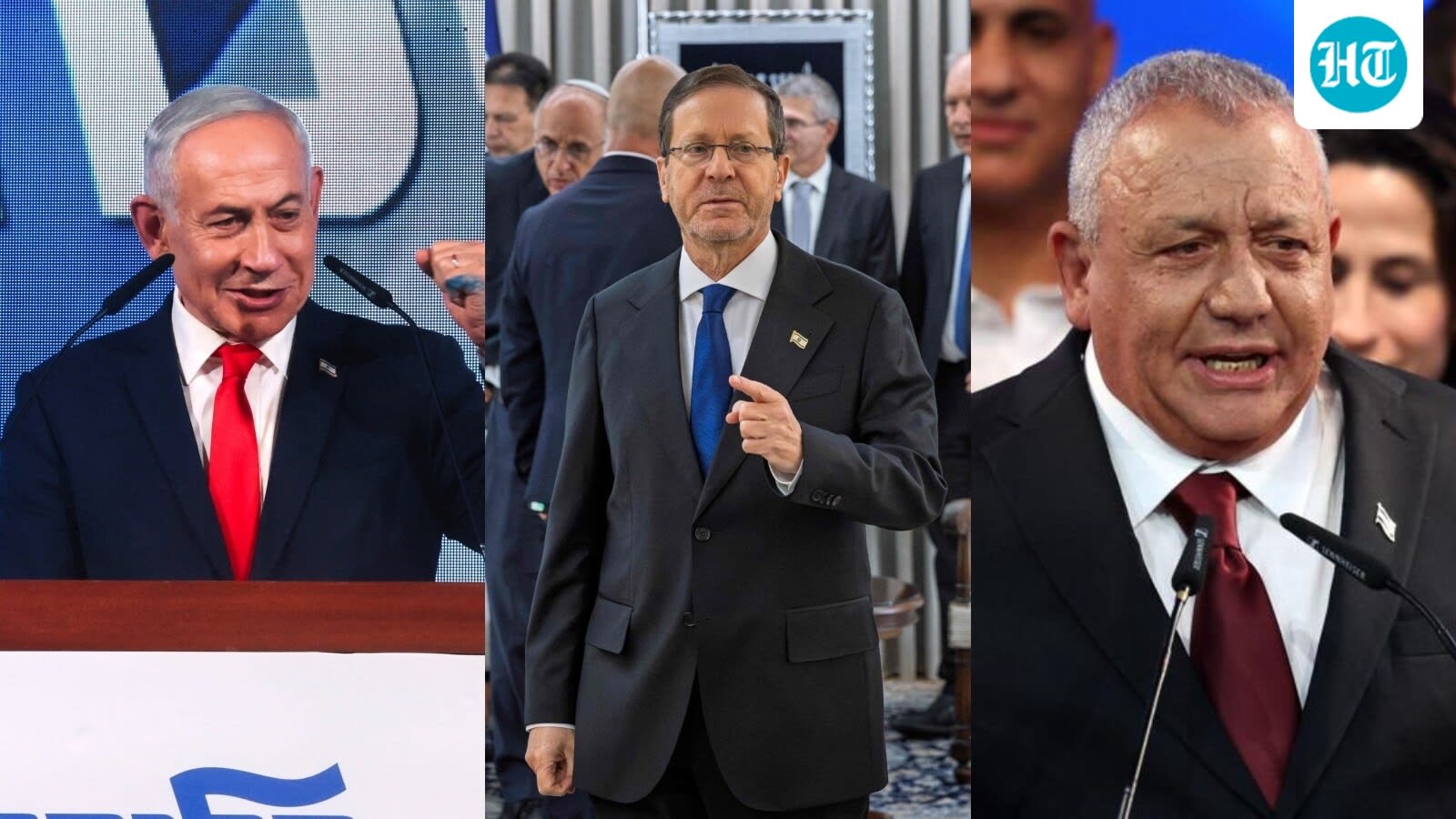
Israel faces a severe political deadlock following the October 27 election, with Benjamin Netanyahu and Gadi Eisenkot vying for the mandate to form a government. Amidst this, Netanyahu has alleged foreign interference, despite official denials from the election commission.
The Israeli Political Impasse: An Analysis of the Post-Election Crisis
Following the October 27 Knesset elections, Israel has been plunged into a period of profound political uncertainty. With no single faction securing the 61-seat parliamentary majority required to govern, the nation finds itself in a cycle of deadlock. Incumbent Prime Minister Benjamin Netanyahu, seeking to maintain his grip on power through his Likud party, has been engaged in an aggressive campaign to influence the coalition-building process, framing the opposition as a threat to national security.
The Battle for the Mandate
President Isaac Herzog has officially commenced the constitutional process of consulting with party leaders to determine who will be tasked with forming the next government. While Netanyahu has historically relied on his political base to secure a path to power, current reports indicate that Gadi Eisenkot, leading the opposition, has gained significant momentum. With 56 seats currently backing his candidacy, Eisenkot holds a clear lead over the incumbent, forcing Netanyahu into a precarious position where he must either secure unlikely alliances or face an exit from the Prime Minister’s office.
Allegations of Foreign Interference
In an attempt to shift the narrative, Netanyahu has repeatedly alleged that foreign interference marred the electoral process. These claims, delivered via video messaging, have been met with skepticism by the Israeli election commission, which has stated it found no evidence of systemic irregularities. By invoking the specter of outside influence, Netanyahu appears to be attempting to delegitimize the potential for an opposition-led government, particularly one that might rely on the support of Arab parties, which saw a notable increase in voter turnout.
Security Rhetoric and Identity Politics
Netanyahu’s rhetoric has centered heavily on the concept of national identity and security, characterizing a potential opposition government as one beholden to "extremist Islam" and supporters of terrorism. By framing the deadlock as a binary choice between his Likud-led platform and an existential threat, he seeks to pressure potential coalition partners into abandoning the opposition. This strategy highlights the deep-seated ideological fractures within the Knesset, where the role of Arab parties in governance remains a highly contentious issue.
Broader Implications and Future Trends
The current standoff has broader implications for Israel’s regional standing and domestic stability. The reliance on smaller factions to reach a majority means that any future government, whether led by Netanyahu or Eisenkot, will likely be fragile and subject to the demands of diverse coalition partners. The high turnout of Arab voters has significantly complicated the calculus for both major camps, signaling a shift in the political landscape that cannot be ignored by either side.
Conclusion: The Path Forward
As President Herzog operates under the seven-day window to assign the mandate, the political climate remains volatile. With the deadline for staking claims set for November 11, the coming days will be critical in determining whether Israel can form a stable administration or if the country faces the prospect of further political instability. The outcome will not only define the immediate future of the Knesset but also set the tone for Israel's policy trajectory regarding its neighbors and domestic security priorities.
Multiple Citing Sources
Verification Required?