Setback for Netanyahu as Israel’s Arab parties agree to back Eisenkot to form Israeli govt
Source Entity
Latest News: Todays Latest News Headlines from India & World | Hindustan Times
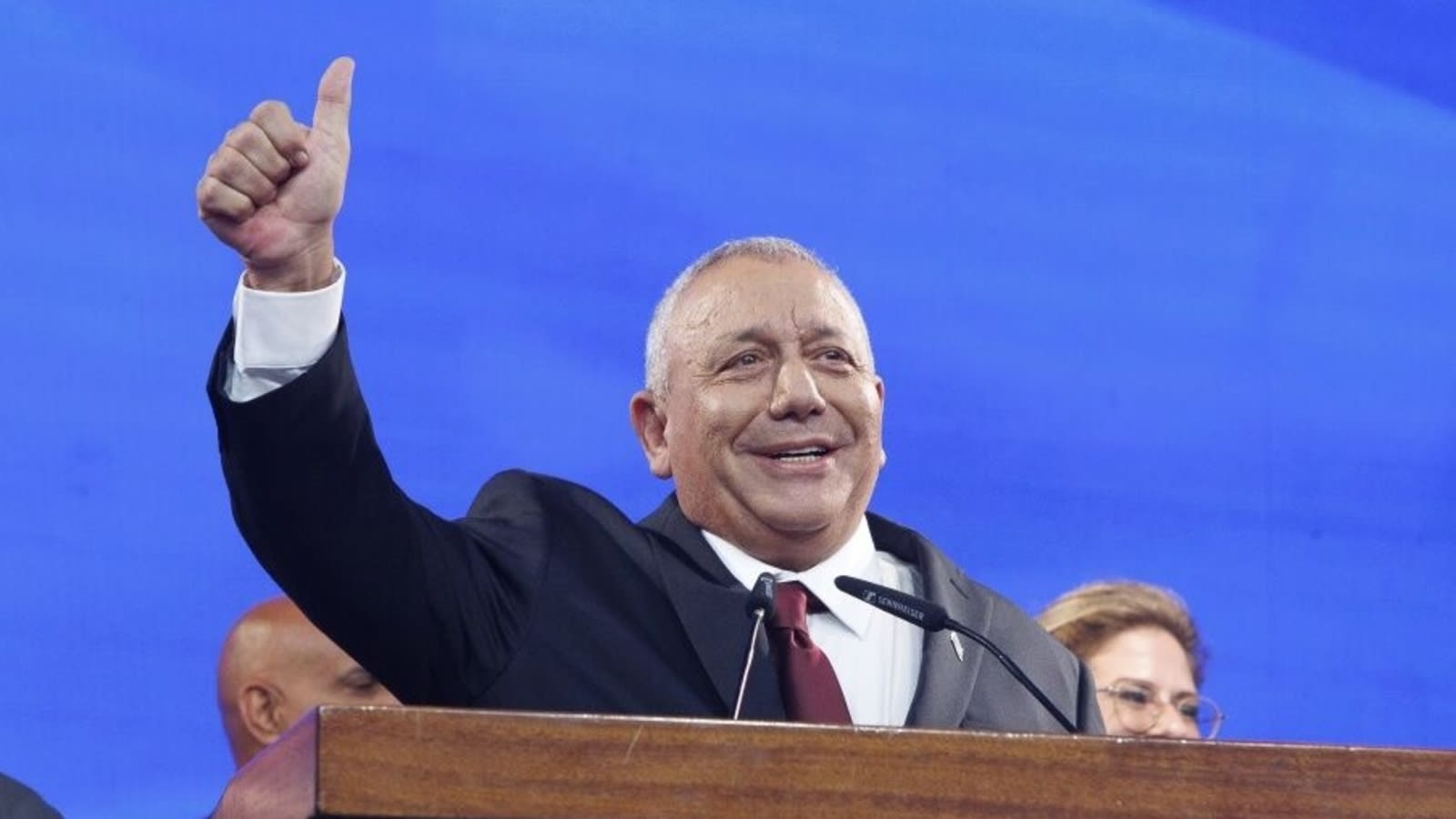
Israel faces a severe political deadlock following the October 27 Knesset elections, with Benjamin Netanyahu and Gadi Eisenkot vying for the mandate to form a government. As President Isaac Herzog begins formal consultations, Netanyahu’s claims of foreign interference have been dismissed by election officials.
The Israeli Political Impasse: A Deep Dive
Following the October 27 Knesset elections, Israel has been plunged into a period of profound legislative uncertainty. With no single faction securing the 61-seat majority required to govern, the nation finds itself in a precarious state of political paralysis. As President Isaac Herzog begins the formal process of consultations to assign the mandate for government formation, the battle for leadership has intensified between the incumbent, Benjamin Netanyahu, and the opposition leader, Gadi Eisenkot.
The Battle for the Mandate
The current parliamentary arithmetic presents a significant challenge for both candidates. While Netanyahu’s Likud party secured a substantial number of seats, the coalition-building process has stalled as he struggles to garner enough support from smaller factions. Conversely, Gadi Eisenkot has emerged as a formidable challenger, reportedly securing the backing of parties representing a majority of the Knesset. This shift in momentum has placed the opposition in a stronger position to potentially end Netanyahu’s tenure.
Allegations and Institutional Integrity
Amidst these high-stakes negotiations, Netanyahu has pivoted to a controversial narrative, alleging "foreign interference" in the electoral process. These claims, however, have been met with skepticism by the Israeli election commission, which has stated that it found no evidence of irregularities. By invoking these concerns, Netanyahu is attempting to frame the potential formation of an opposition-led government as a threat to national security, specifically warning against the inclusion of Islamist parties.
The Role of the Presidency
Under Israeli law, President Isaac Herzog holds the pivotal role of navigating this deadlock. Following the certification of election results on November 4, the President has a seven-day window to consult with party leaders and designate a candidate to form a government. The deadline of November 11 looms as a critical juncture for the Israeli political system, as the country waits to see if a stable coalition can be constructed or if the nation faces the prospect of further political instability.
Broader Implications and Future Trends
The strong voter turnout from Arab parties has significantly complicated the coalition-building landscape for both the Likud bloc and the opposition. This demographic shift reflects a changing political reality in Israel that parties can no longer ignore. As the country balances these internal pressures, the outcome of this election will dictate the future direction of Israel’s foreign policy, its approach to the conflict in Gaza, and its diplomatic posture toward regional powers like Iran. The coming days will determine whether Israel can achieve a functional government or if the electorate will be forced back to the polls.
Multiple Citing Sources
Verification Required?