Can hope trump hate this time in Israeli polls?
Source Entity
Latest News: Todays Latest News Headlines from India & World | Hindustan Times | Hindustan Times
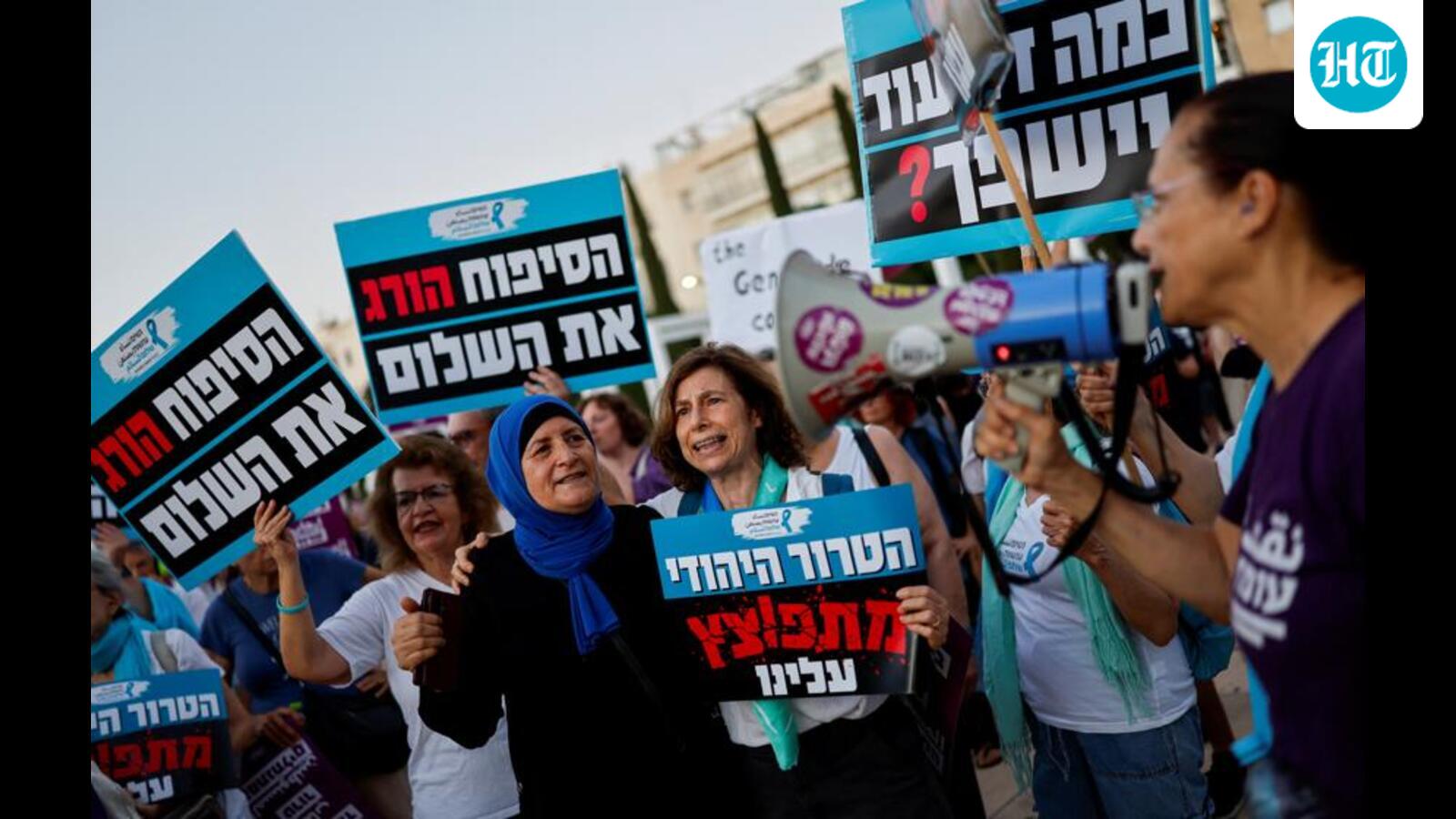
Israel’s upcoming October 27 election arrives amid profound national trauma and regional instability following the October 7 massacre. The outcome remains uncertain as neither major political bloc appears capable of securing a clear parliamentary majority.
The Crossroads of Israeli Democracy
The upcoming general election in Israel, scheduled for October 27, represents a critical juncture in the nation’s history. Occurring in the wake of the October 7, 2023, massacre—a devastating event that claimed the lives of numerous Israeli Jews, Arabs, and foreign nationals—the electoral landscape is defined by a sense of profound national trauma. This election will serve as a referendum on the country's collective psyche, testing whether the electorate prioritizes the rhetoric of fear and resentment or seeks a path toward change and coexistence.
The Shadow of Protracted Conflict
For the past three years, Israel has been engulfed in a state of near-constant warfare. The military operations in Gaza, launched in response to the October 7 attacks, have resulted in a staggering loss of life, with tens of thousands of civilians killed and hundreds of thousands more displaced, wounded, or facing acute humanitarian crises. Beyond Gaza, the regional security architecture has been severely strained by two major direct confrontations with Iran and ongoing, high-intensity hostilities along the Lebanese border. These conflicts have exacted a heavy toll on the Israeli Defense Forces, leading to significant casualties among soldiers and deepening the internal strain on the national consciousness.
Instability in the West Bank and Domestic Tensions
Simultaneously, the situation in the West Bank has reached a point of severe deterioration. Daily acts of violence by Jewish settlers against Palestinians have further destabilized the region, complicating the domestic security narrative and polarizing the Israeli public. This internal volatility directly impacts the electoral debate, as voters weigh the necessity of aggressive security policies against the urgent need for long-term stability and a diplomatic horizon that currently seems elusive.
The Knesset Gridlock
At the heart of the electoral uncertainty is the mathematical composition of the 120-member Knesset. Current projections indicate that neither the 'Bibi bloc'—led by Prime Minister Benjamin Netanyahu—nor the 'Change bloc' possesses a clear path to the 61 seats required for a governing majority. This gridlock is a reflection of a deeply fractured society where traditional party lines have been blurred by the exigencies of war and the failures of the status quo.
The Role of Arab Parties
Perhaps the most influential variable in this election is the role of Arab political parties. As the primary blocs struggle to build coalitions, the representation of Arab citizens in the Knesset has emerged as a potential kingmaker dynamic. Whether these parties choose to participate in a coalition or act as a decisive bloc from the opposition will likely determine the shape of the next government, forcing a national conversation on the integration of Arab interests in a state that is currently grappling with the aftermath of war.
Future Outlook
As Israel approaches the polls, the outcome will have lasting implications for the region. A government formed without a clear mandate may struggle to address the humanitarian catastrophe in Gaza or the simmering tensions in the West Bank. Conversely, a decisive result could provide the necessary political capital to navigate the post-war recovery. Ultimately, this election is not merely a contest between personalities, but a fundamental test of the Israeli democratic process's ability to heal and evolve under the weight of unprecedented regional instability.
Verification Required?