'Trying To Obtain Nuclear Weapons': Israel Says 'Iran Mission' Not Complete
Source Entity
NDTV News Search Records Found 1000
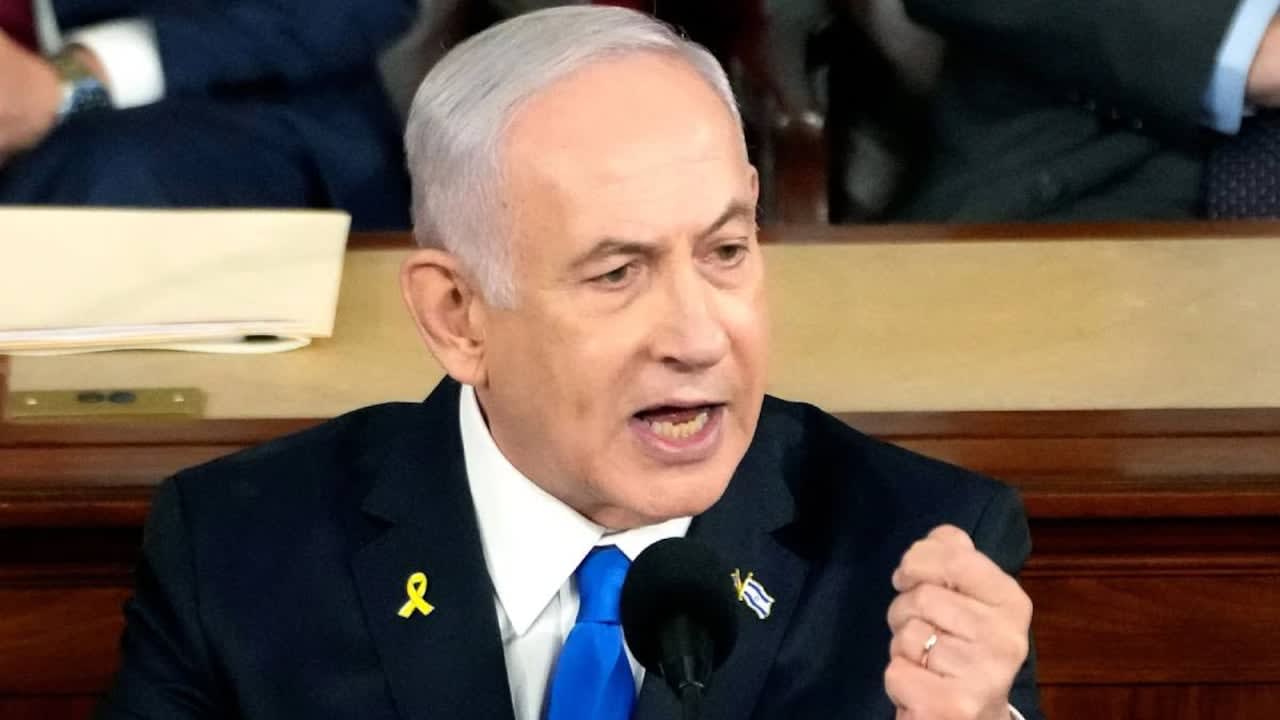
Israeli Prime Minister Benjamin Netanyahu has signaled that military operations against Iran remain active, citing concerns over Tehran's pursuit of nuclear capabilities. The ongoing rhetoric underscores a period of heightened regional tension and potential for further escalation.
The Escalating Standoff: Israel's Strategic Posture Toward Iran
Recent statements from Israeli Prime Minister Benjamin Netanyahu have reaffirmed a hardline stance against the Islamic Republic of Iran, specifically highlighting the ongoing nature of what he terms an "Iran mission." By explicitly citing the objective of preventing Tehran from obtaining nuclear weapons, Netanyahu has positioned the current regional volatility as a core national security imperative. This narrative suggests that Israel does not view its recent military actions as a conclusion, but rather as part of a sustained campaign.
The Nuclear Proliferation Concern
At the heart of the current rhetoric is the persistent fear within the Israeli security establishment regarding Iran's nuclear program. Israel has long maintained that a nuclear-armed Iran represents an existential threat to its security. By framing the "Iran mission" as incomplete, Netanyahu is signaling to both domestic and international audiences that the threshold for cessation of hostilities is strictly tied to the verifiable termination of Iran's nuclear ambitions. This stance leaves little room for diplomatic ambiguity in the short term.
Strategic Implications of Repeated Threats
Benjamin Netanyahu’s repeated threats of new strikes indicate a shift toward a more proactive, or perhaps preemptive, military doctrine. By publicly declaring that the mission is not complete, the Israeli government is signaling a willingness to continue kinetic operations. This strategy serves to keep constant pressure on Iranian infrastructure while simultaneously preparing the Israeli public for the possibility of a prolonged conflict that extends beyond isolated incidents.
Regional Instability and Future Trends
Looking ahead, this cycle of threats and counter-threats suggests that the Middle East is entering a period of prolonged strategic friction. If Israel continues to define its success through the lens of nuclear containment, the likelihood of further military engagements remains high. Observers should anticipate continued volatility as both nations navigate the thin line between targeted operations and full-scale regional escalation, with the nuclear program serving as the primary driver of this tension.
Conclusion: A Precarious Path Forward
Ultimately, the situation remains fluid and highly sensitive to sudden changes in tactical outcomes. Netanyahu’s insistence that the mission is incomplete serves as both a warning to adversaries and a commitment to his political base. As long as the perceived threat of nuclear proliferation persists, the potential for further military action will remain a defining feature of the Israel-Iran relationship, necessitating close monitoring by the international community.
Verification Required?