‘They’re a failing nation’: Trump says fresh Iran strikes ‘highly unlikely’
Source Entity
SUBHADRA SRIVASTAVA
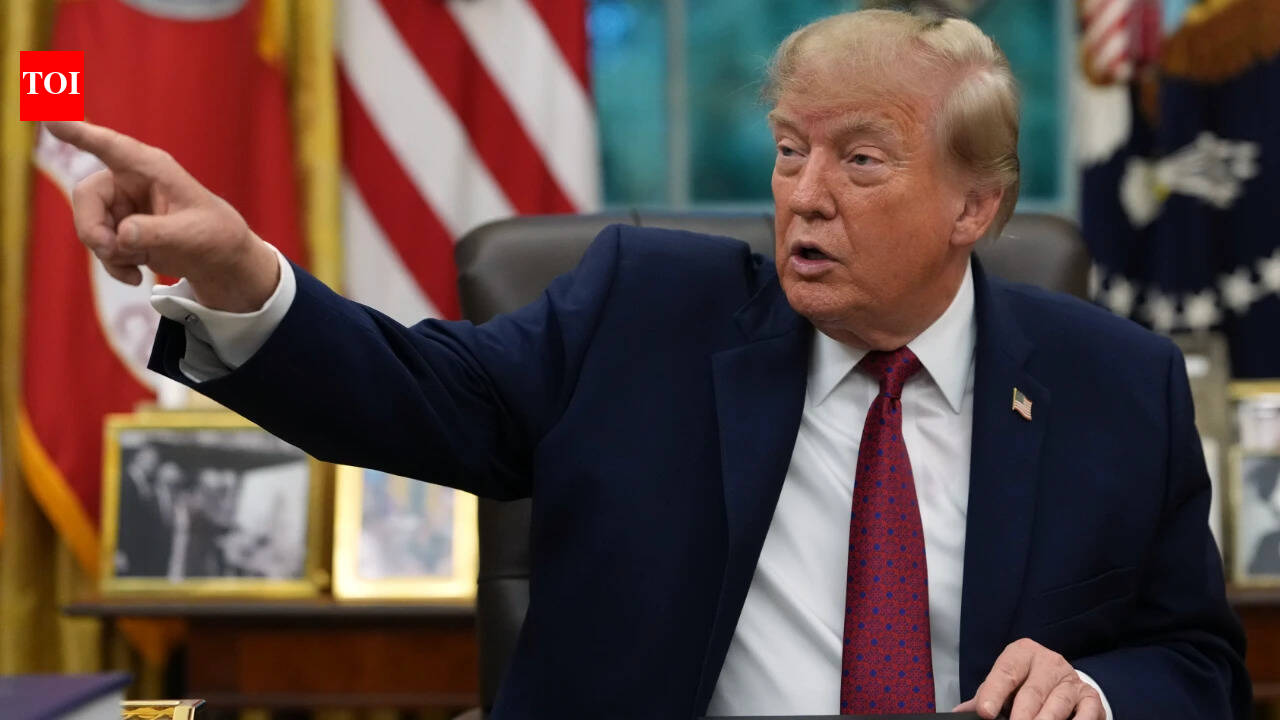
President Donald Trump stated that further U.S. military strikes on Iran are unlikely if substantive progress is made on nuclear and maritime security negotiations. While offering a diplomatic path, Trump maintained a deterrent posture by highlighting identified tactical targets.
The Strategic Calculus of the U.S.-Iran Standoff
President Donald Trump’s recent remarks regarding the potential for renewed military operations against Iran signal a critical inflection point in an eight-month-old conflict. By characterizing further strikes as "highly unlikely" contingent upon progress in negotiations, the administration is signaling a shift toward a conditional diplomatic framework. The core of this proposed agreement hinges on two primary pillars: the formalization of Iran’s nuclear program restrictions and the assurance of free passage through the strategic Strait of Hormuz, a vital artery for global energy supplies.
The Role of Diplomacy and Economic Pressure
This softening of rhetoric follows the recent submission of a nuclear proposal by Iran, facilitated through intermediaries in Qatar. While the proposal is reportedly contingent upon the U.S. fulfilling seven distinct conditions for a peace deal, the acknowledgment of this dialogue represents a departure from the open-conflict posture that has defined the last several months. Trump maintains that the existing economic sanctions remain a potent tool, suggesting that the cumulative pressure of these measures has brought Tehran to the negotiating table, thereby reducing the perceived necessity of kinetic military action.
Deterrence Through Tactical Preparedness
Despite the optimistic tone regarding peace talks, the administration has not abandoned its "peace through strength" doctrine. The explicit mention of 38 identified Iranian bridges that could be neutralized within an hour serves as a calculated tactical warning. This rhetoric is designed to maintain a credible military deterrent, ensuring that if negotiations fail or if Iran is perceived as acting in bad faith, the United States retains a ready-to-execute plan for rapid escalation.
Domestic Context and Global Implications
The ongoing conflict has had significant repercussions, most notably fueling global inflation and causing volatility in oil markets. The timing of these comments—following a period where the Republican Party suffered losses in the midterm elections—suggests an awareness of the domestic political climate. Speculation had been rampant that the administration might increase military activity post-election; however, the President’s focus on a "strong agreement" suggests a desire to stabilize the international landscape and address the economic pressures exacerbated by the war.
Future Outlook
The path toward a lasting resolution remains complex. The requirement for a "very strong agreement" implies that the U.S. is not seeking a mere cessation of hostilities, but a comprehensive structural change in how Iran manages its nuclear ambitions and regional maritime influence. As the two nations navigate the seven conditions set forth by Tehran, the international community will be watching to see if the current "highly unlikely" assessment of conflict holds or if the tenuous peace will once again be disrupted by the failure of diplomatic channels.