The many challenges for ISRO: Rise of startups, launch setbacks, attrition
Source Entity
Johnson T A
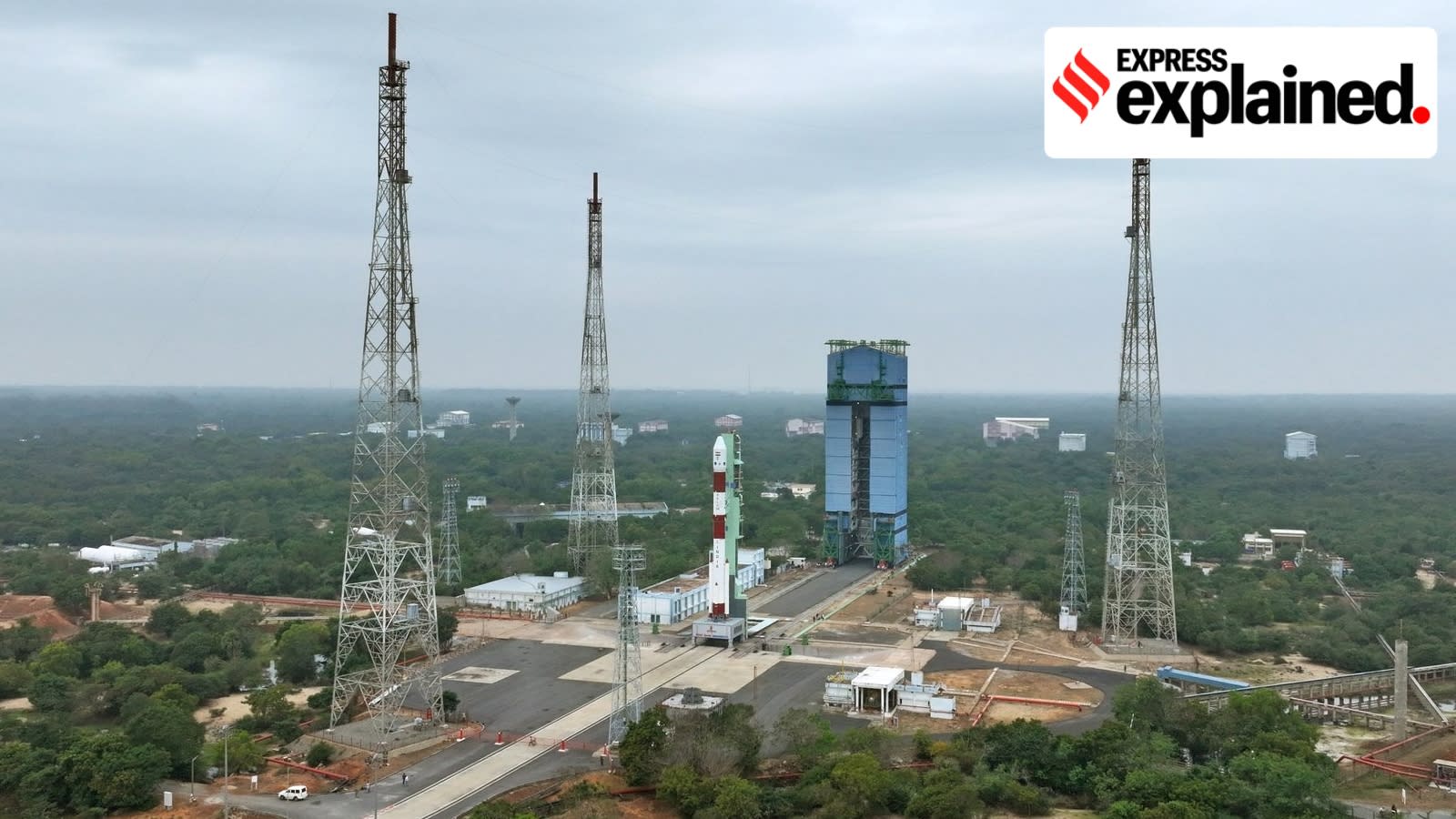
ISRO faces a critical juncture characterized by rare launch failures, internal attrition, and the emergence of private space startups. These interconnected challenges threaten to disrupt India's long-standing dominance in the space sector.
The Evolving Landscape of India's Space Sector
For over six decades, the Indian Space Research Organisation (ISRO) has served as the backbone of India's scientific prestige, overcoming significant technology denials and resource constraints to build a robust space program. However, recent events—including back-to-back failures of the PSLV C61 and C62 rockets in May 2025 and January 2026—have forced a re-evaluation of the agency’s operational status. These setbacks are not merely technical anomalies; they represent a critical inflection point for an organization that has historically been defined by its reliability and cost-effectiveness.
Interconnected Challenges: Failures and Delays
The recent failures of the PSLV, once considered the 'workhorse' of the Indian space program, have created a cascading effect on ISRO’s mission timeline. Delays in high-priority projects are now increasingly common, suggesting that the operational strain on the agency is mounting. According to accounts from both current and former scientists, the technical issues are compounded by a broader organizational struggle to maintain the pace of development that marked ISRO's golden era, potentially signaling a need for structural reform in how missions are managed and executed.
The Human Capital Crisis: Attrition
A significant factor contributing to this instability is the growing concern regarding attrition. As the space sector matures, the demand for specialized talent has surged, leading to a 'brain drain' of experienced engineers and scientists. This exodus is not happening in a vacuum; it is directly linked to the rise of a vibrant, homegrown private space ecosystem. As startups attract talent with the promise of agility and innovation, ISRO finds itself struggling to retain the institutional knowledge required to sustain its ambitious mission profile.
The Rise of Private Competition
The emergence of nascent private space startups represents a double-edged sword for ISRO. On one hand, these companies are the direct beneficiaries of the ecosystem ISRO cultivated over sixty years. On the other, they present a competitive landscape that ISRO is not entirely accustomed to navigating. This shift in market dynamics requires the agency to transition from being the sole provider of space capabilities to a facilitator and regulator, a complex transition that often leads to friction in resource allocation and strategic focus.
Navigating the Future
Looking ahead, the future of India’s space program depends on how ISRO balances its legacy responsibilities with the realities of a modern, competitive market. To regain its momentum, the agency must address the root causes of its technical failures while fostering a collaborative environment with the private sector. If the agency can successfully integrate private innovation while stabilizing its workforce, it will likely emerge as a more resilient, albeit structurally different, organization capable of maintaining India’s prominence in global space exploration.