Italy Bans Burqa, Caps Number Of Foreign Students In Schools
Source Entity
NDTV News Search Records Found 1000
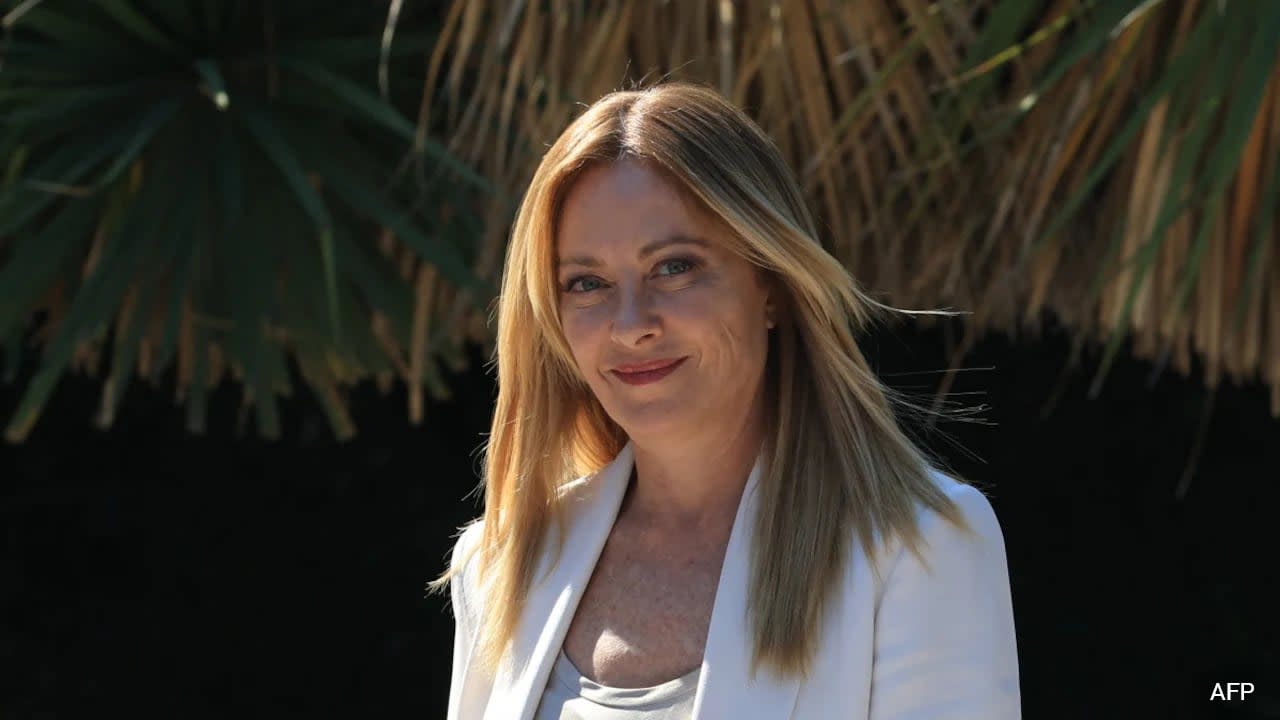
Italy's government has enacted a decree limiting students with limited Italian language skills per classroom and banning face-covering veils in schools. The move, aimed at integration, has sparked significant debate regarding educational access and the political motives behind the policy.
Italy's New Educational Mandates: A Deep Dive
On September 24, 2026, the Italian government, led by Prime Minister Giorgia Meloni, passed a significant decree targeting the structure of the national education system. The policy introduces two primary mandates: a cap on the number of students with limited Italian language proficiency per classroom and a total ban on face-covering Islamic veils, such as burqas and niqabs, within school environments. These measures represent a decisive shift in how the Italian state approaches the intersection of immigration, cultural identity, and public education.
The Rationale for Integration
The Meloni administration has framed these measures as a necessary step toward strengthening national integration. By limiting the number of non-Italian speakers in a single classroom, the government suggests that students will be forced into more immersive linguistic environments, thereby accelerating their acquisition of the Italian language. Proponents, primarily from the right-wing coalition, argue that this move prevents the formation of isolated linguistic enclaves within the school system, which they believe hinders the assimilation of immigrant children into broader Italian society.
Controversies and Logistical Hurdles
However, the decree has faced immediate pushback from educators, labor unions, and opposition political factions. Critics argue that the implementation of a student cap could lead to significant logistical failures, potentially forcing students to travel long distances to attend schools outside of their local neighborhoods. There is a palpable concern that these rules may inadvertently create barriers to education for vulnerable populations, as resources and classroom availability are not evenly distributed across Italian municipalities.
The Political Calculus
Political analysts suggest that the timing and nature of these measures are inextricably linked to the upcoming election cycle, which could see Italians heading to the polls as early as next spring. By focusing on high-visibility issues like language proficiency and the prohibition of religious face coverings, the Meloni government is effectively reasserting its conservative credentials. This strategy serves to solidify the support of its base, who have long prioritized national identity and security as central tenets of the current administration's platform.
Broader Societal Implications
The move to ban face-covering veils in schools is a continuation of a broader European trend of regulating religious expression in public spheres. By codifying this into law, the government is making a definitive statement about the role of secularism and cultural uniformity within the Italian classroom. While the government frames this as a measure to enhance transparency and communication in an educational setting, critics argue that it unfairly targets specific religious groups and turns immigration policy into a theater for political signaling.
Future Outlook
As the legislation moves toward implementation, the Italian education system faces a period of uncertainty. The effectiveness of the language caps will likely be measured by the academic performance of non-native speakers, though the short-term impact will likely be defined by bureaucratic strain and legal challenges. Whether these measures will successfully foster integration or instead deepen social divisions remains a subject of intense debate, setting the stage for a contentious political season in Italy.
Multiple Citing Sources
Verification Required?