Italy Will Soon Ban Burqas In School, Cap Foreign Students: Giorgia Meloni
Source Entity
NDTV News Search Records Found 1000
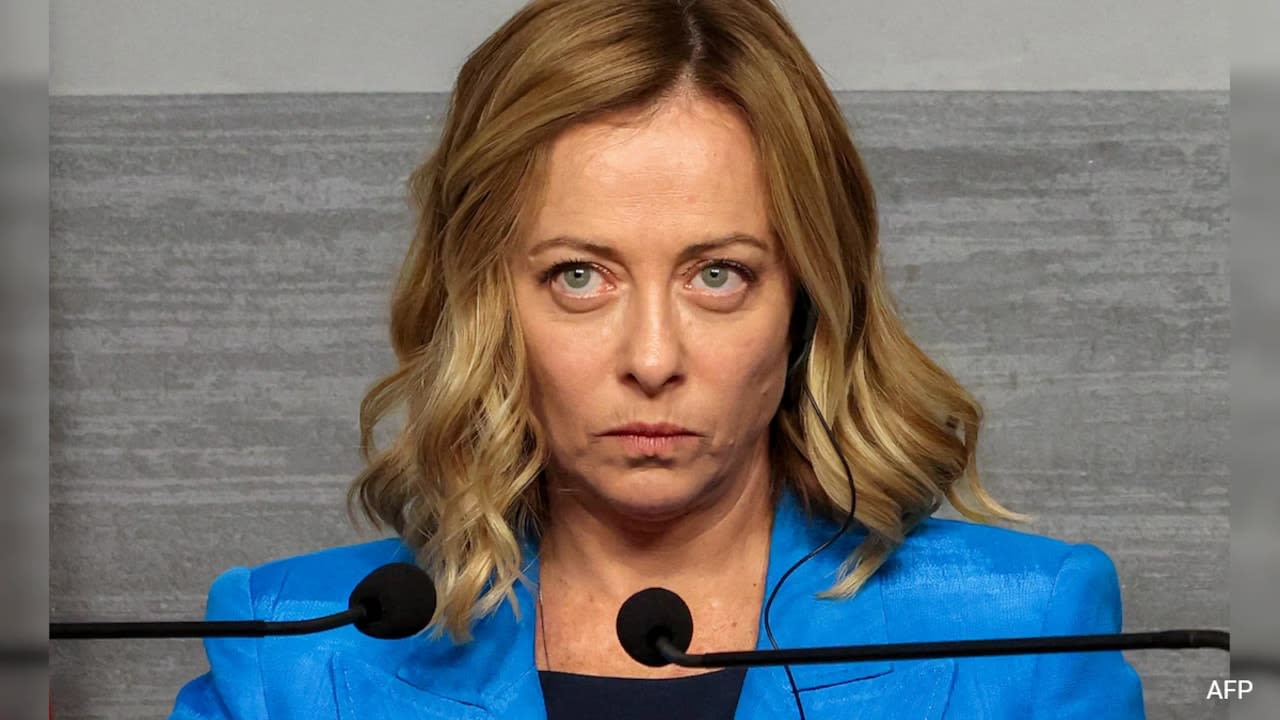
Italian Prime Minister Giorgia Meloni has announced plans to ban religious face coverings in schools and cap the number of foreign students per classroom. The policy aims to prioritize Italian language proficiency and cultural integration within the national education system.
The Shift in Italian Educational Policy
Prime Minister Giorgia Meloni, leader of the Brothers of Italy party, has announced a series of proposed regulatory changes for the Italian school system. Central to this initiative is a legislative push to ban face-covering garments, specifically citing the burqa and niqab, within educational environments. This policy shift is framed by the current administration as a necessary step to maintain a cohesive national identity and ensure that school settings remain accessible and transparent.
Prioritizing Integration Through Language
A cornerstone of Meloni's proposal is the mandatory requirement for parents of foreign students struggling with integration to learn the Italian language. By addressing the linguistic barriers that often hinder academic progress, the administration aims to prevent scenarios where students feel isolated or unable to engage with the curriculum. The Prime Minister emphasized that these measures are intended to ensure that Italian children do not feel like a minority in their own classrooms, a sentiment that reflects the broader nationalist platform of her government.
Capping Foreign Enrollment
While the specific numerical threshold remains undefined, the government intends to legally establish a maximum limit on the percentage of foreign students permitted in a single classroom. This move is designed to manage the density of non-native speakers, under the assumption that a more balanced demographic will facilitate faster language acquisition and cultural assimilation. This policy is consistent with Meloni’s long-standing, hawkish stance on migration and demographic management.
The Broader Sociopolitical Context
These proposals were unveiled during a youth event hosted by the Brothers of Italy, signaling a clear intent to appeal to the party’s base. By framing education as an instrument of cultural preservation, the administration is positioning itself as a defender of Italian traditional values. This approach aligns with the government's broader efforts to curb irregular migration and tighten control over social integration processes.
Future Implications for Italian Schools
As these measures move toward a formal Cabinet presentation, they are expected to trigger intense debate regarding civil liberties, religious expression, and the practicalities of managing an increasingly diverse student population. The success of these reforms will likely hinge on the government's ability to balance its nationalist objectives with the logistical realities of the Italian public school system. Observers will be watching closely to see how these rules are implemented and what impact they have on the social fabric of Italian classrooms in the coming years.
Verification Required?