Where is India in West Africa’s security bet?
Source Entity
Latest News: Todays Latest News Headlines from India & World | Hindustan Times | Hindustan Times
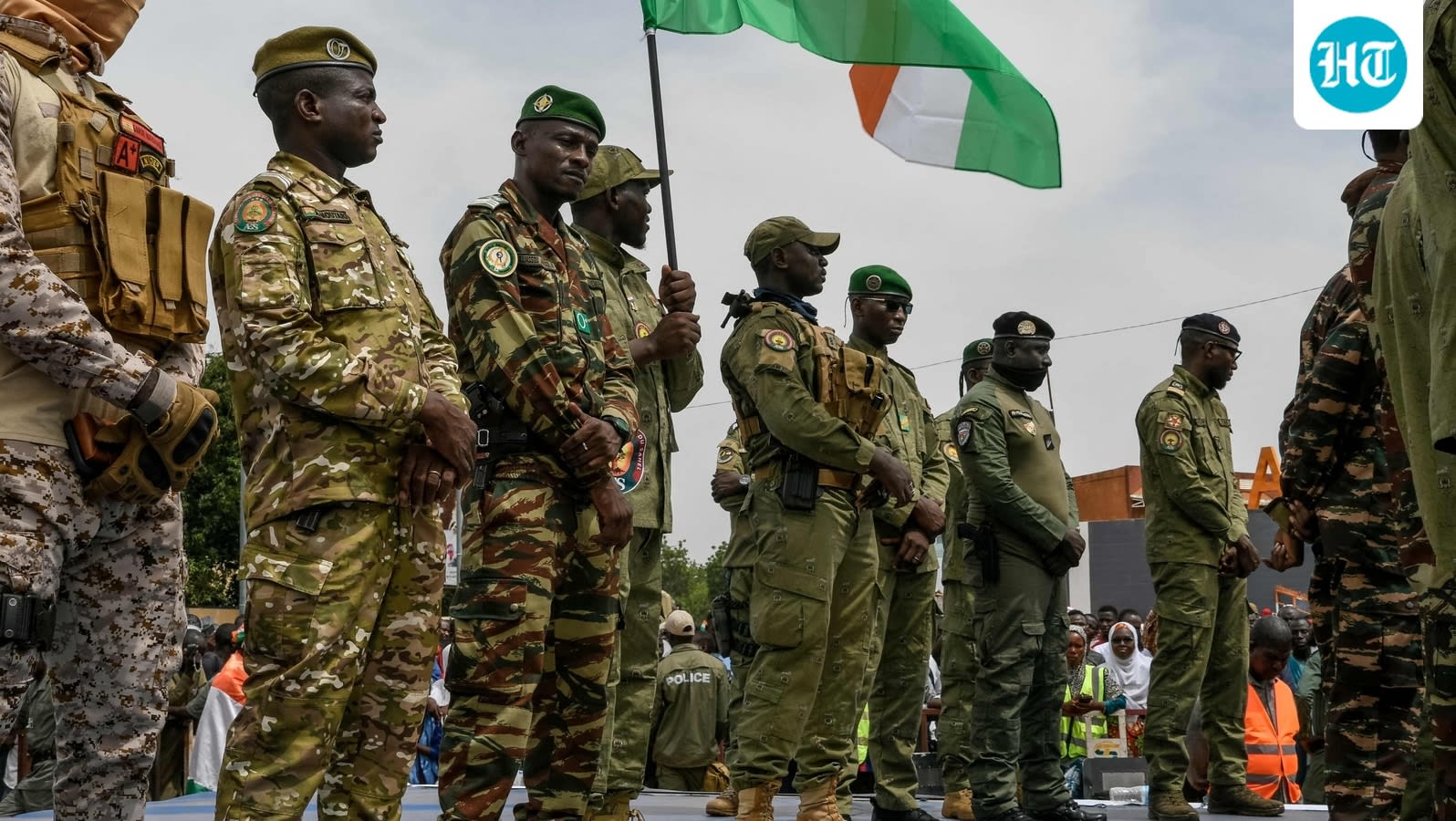
The Sahel region faces unprecedented insecurity as military juntas in Mali, Niger, and Burkina Faso fail to deliver on security promises after severing Western ties. Despite pivoting toward Moscow, the Alliance of Sahel States has seen a surge in jihadist insurgency that threatens regional stability.
The Sahelian Security Crisis: A Geopolitical Failure
Over the past five years, the Sahel—a critical biogeographical region now defined by its volatile political landscape—has undergone a radical shift in its security architecture. Military juntas in Mali, Niger, and Burkina Faso have consolidated power through a "sovereigntist" narrative, framing their governance as a necessary liberation from Western influence. By expelling long-standing French-led counterterrorism forces and pivoting toward Russian partnerships, these regimes promised a new era of stability. However, the reality of this transition has been marked by a stark failure to secure the state.
The Collapse of the Sovereignty-for-Security Trade
The fundamental promise of these military regimes was a trade-off: the population would accept the suspension of democratic processes in exchange for improved national security. This "sovereignty-for-security" bargain has proven to be largely illusory. By most empirical metrics, the security situation in the region has deteriorated significantly since 2020. The Alliance of Sahel States, formed by these juntas, has struggled to contain the expansion of jihadist insurgencies that have plagued the region since the 2012 Mali War and the subsequent collapse of the Gaddafi regime in Libya.
Historical Context and Insurgency Proliferation
To understand the current crisis, one must look back to the 2011 destabilization of Libya, which acted as a catalyst for the proliferation of weapons and extremist ideologies across the Sahel. The subsequent jihadist insurgency has proven highly adaptive, exploiting the power vacuums left by the departure of international military assets. The current juntas argue that Western intervention was ineffective, yet their own reliance on alternative security partners has failed to yield a tangible reduction in violent attacks or territorial control by non-state actors.
The Incoherence of International Response
The international community’s response to the Sahelian crisis has been characterized by fragmentation and a lack of unified strategy. As Western forces withdraw, the geopolitical vacuum is being filled by actors who prioritize regime survival over comprehensive, long-term regional stability. This incoherent response has exacerbated the vulnerability of local populations, who find themselves caught between the failed promises of military juntas and the escalating threat of extremist violence.
Future Trends and Regional Implications
Looking ahead, the Sahel faces a precarious future. The continued failure of the Alliance of Sahel States to mitigate internal threats suggests that the region may experience further fragmentation. Without a coherent international framework or a return to governance models that prioritize civilian safety over performative sovereignty, the cycle of violence is likely to intensify. The Sahel remains a litmus test for regional security, and the ongoing instability serves as a sobering reminder of the limitations of military-led counter-insurgency strategies in the absence of political legitimacy.
Verification Required?