Jagan demands withdrawal of cases against youth seeking Mega Police recruitment
Source Entity
India Latest News: Top National Headlines Today & Breaking News | The Hindu
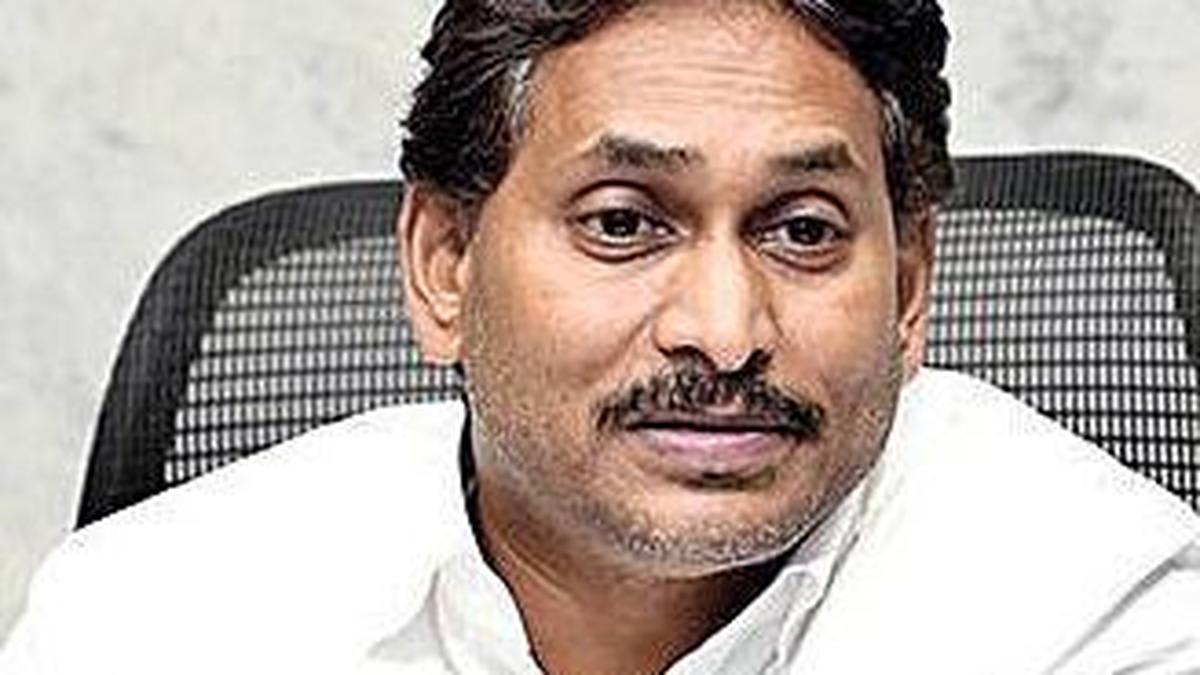
YSRCP leader Jagan Mohan Reddy has demanded the withdrawal of police cases against youth protesting for Mega Police recruitment in Kakinada. He criticized the current TDP-led government for failing to fulfill employment promises and suppressing peaceful dissent.
Political Friction Over Youth Employment in Andhra Pradesh
Recent developments in Andhra Pradesh have highlighted growing tensions between the YSR Congress Party (YSRCP) and the ruling TDP-led coalition. YSRCP president and former Chief Minister Y.S. Jagan Mohan Reddy has publicly demanded the withdrawal of police cases filed against unemployed youth in Kakinada. These individuals were reportedly participating in peaceful protests to demand a 'Mega Police' recruitment notification, a move that has now become a flashpoint for political discourse in the state.
The Charges and the Controversy
According to reports, the legal action stems from protests organized by job aspirants including Shyam, T. Raja, M. Ganga Suribabu, and Rajesh, alongside approximately 20 others. Mr. Jagan has framed these arrests as an act of intimidation, questioning the democratic validity of labeling peaceful job seekers as criminals. This incident underscores a broader concern regarding the treatment of civil dissent when it pertains to government accountability and the fulfillment of public promises.
Accountability and Broken Promises
The core of the YSRCP's grievance lies in the alleged failure of the current administration, led by Chief Minister N. Chandrababu Naidu, to honor pre-election commitments. Mr. Jagan specifically pointed to the unfulfilled promise of a structured annual job calendar and a monthly unemployment allowance. By focusing on these specific policy failures, the opposition is attempting to mobilize the youth demographic, which remains a critical voting bloc in the region.
Implications for State Governance
The situation reflects a recurring cycle in state politics where employment serves as a primary metric for government success. When the administration fails to meet these expectations, the resulting vacuum is often filled by political maneuvering and public unrest. For the current government, the challenge lies in balancing fiscal constraints with the pressure to generate public sector employment, while for the opposition, these protests offer a strategic opportunity to highlight administrative gaps.
Future Trends in Regional Politics
Looking ahead, the trajectory of this issue will likely depend on how the government responds to the specific demand for a recruitment notification. If the administration continues to prioritize law enforcement over policy implementation, it may risk further alienating the youth population. Conversely, addressing the recruitment demand could mitigate the current political friction, though it remains to be seen if the state’s financial landscape allows for such a large-scale hiring initiative.
Conclusion
Ultimately, the situation in Kakinada is a microcosm of the larger struggle for economic opportunity in Andhra Pradesh. As the YSRCP continues to pressure the TDP-led coalition, the discourse surrounding job security and the right to protest will likely remain at the forefront of the state's political agenda. The resolution of the cases against the youth will serve as a bellwether for the current government's stance on democratic expression and administrative transparency.
Verification Required?