West Bengal recorded 60,000 underage institutional deliveries in first six months of 2026: CM
Source Entity
India Latest News: Top National Headlines Today & Breaking News | The Hindu
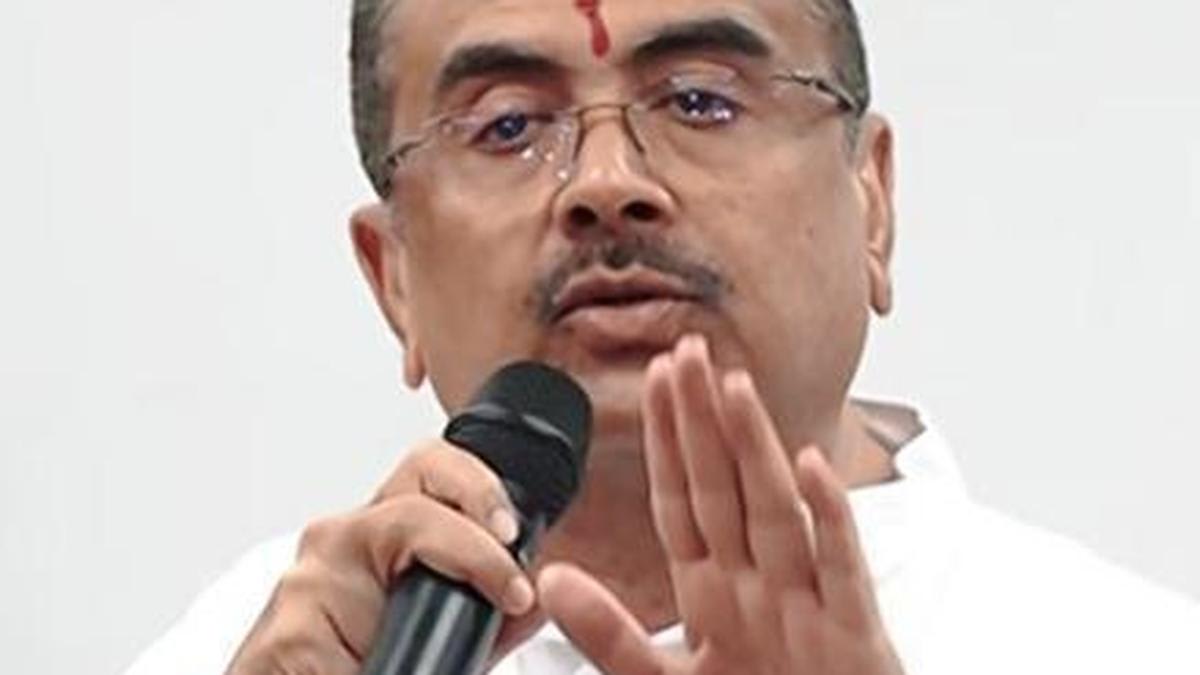
West Bengal Chief Minister Suvendu Adhikari has launched a major crackdown on child marriage following reports of 60,000 underage institutional deliveries in early 2026. The government plans to enforce strict legal action under the POCSO Act and withdraw welfare benefits for offenders.
West Bengal Launches Aggressive Crackdown on Child Marriage
West Bengal Chief Minister Suvendu Adhikari has announced a sweeping statewide initiative aimed at eradicating child marriage, an issue he identifies as a critical social and public health crisis. Following a recent Cabinet meeting at Nabanna, the administration signaled a shift toward punitive enforcement, declaring that the state will utilize both the Prohibition of Child Marriage Act, 2006, and the POCSO Act to prosecute not only those marrying minors but also those facilitating or solemnizing these unions.
The Statistical Reality: 60,000 Underage Deliveries
The urgency of this crackdown is underscored by alarming data released by the State Health Department. According to the Chief Minister, West Bengal recorded approximately 60,000 underage institutional deliveries between January 1, 2026, and June 30, 2026. This metric serves as a stark indicator of the prevalence of underage unions, linking the social practice directly to medical risks for young mothers and infants. Adhikari noted that these figures place the state at the top of national rankings for both underage marriages and early-age pregnancies.
Enforcement Strategies and Legal Consequences
The government’s strategy involves a multi-pronged approach, including door-to-door verification drives to identify instances of underage marriage. To ensure compliance, the administration plans to issue show-cause notices to the husbands of women who were married as minors, requiring them to provide valid documentation regarding their spouse's age. The consequences for non-compliance or identified violations are severe, ranging from potential jail terms to the withdrawal of both state and central government welfare benefits for the involved families.
Sociopolitical Implications and Policy Shifts
By framing the current situation as a legacy issue left by the previous government, the Chief Minister is positioning this crackdown as a corrective measure for the state's social indicators. The decision to cut off welfare benefits adds a significant economic dimension to the policy, intended to act as a deterrent in communities where such marriages have historically been normalized. This move signals a departure from softer, awareness-based interventions toward a more rigid, law-and-order-centric governance model.
Broader Challenges and Future Outlook
The sheer volume of cases, which the Chief Minister described as overwhelming the existing prison capacity, suggests that the state faces a massive logistical challenge in implementing these directives. As the government proceeds with these investigations, the efficacy of the policy will depend on the balance between legal enforcement and the socioeconomic support necessary to protect the girls and young women affected. The success of this initiative will likely be measured by whether these stringent measures effectively lower the rate of underage pregnancies and marriages in the coming years.
Verification Required?