'India calls for restraint': EAM on ship attacks in Gulf, seafarers at UNGA
Source Entity
AASTHA JHA
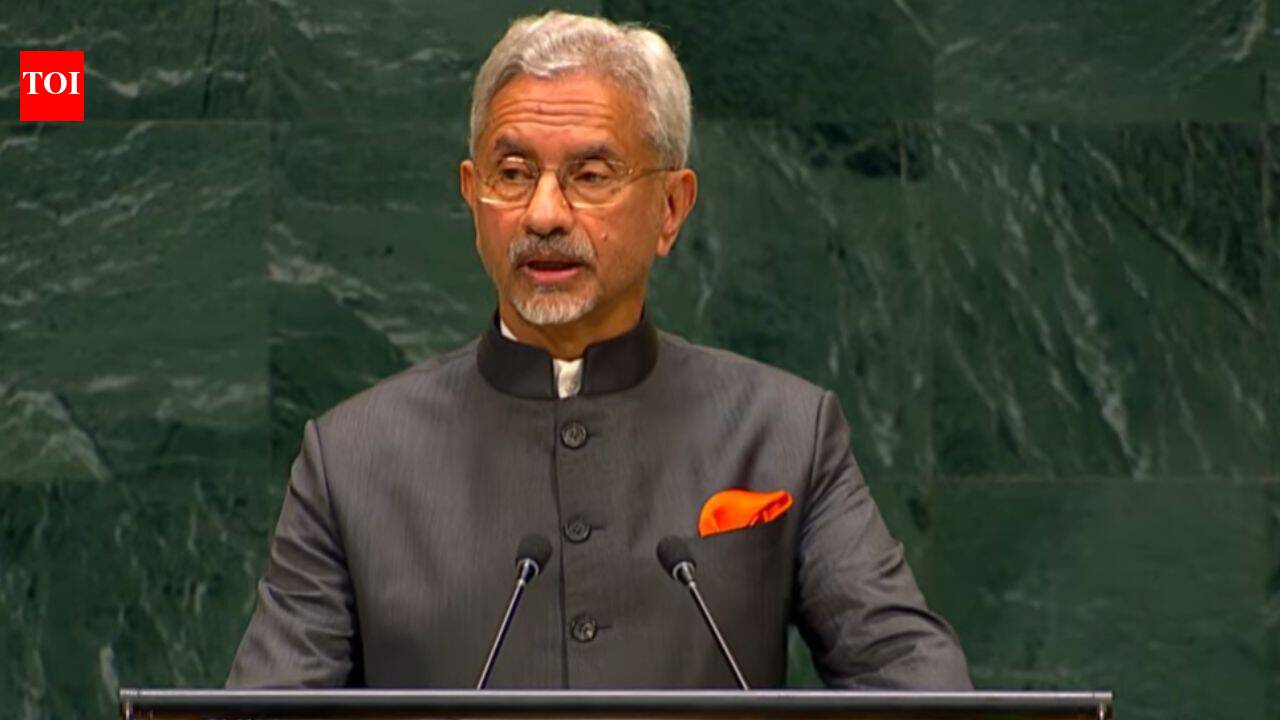
External Affairs Minister S. Jaishankar sharply rebuffed a Pakistani journalist at the UN, labeling Pakistan a 'terrorist country' after being questioned on alleged Indian interference. The exchange occurred during a briefing on maritime security, highlighting ongoing diplomatic tensions between the two nations.
Diplomatic Tensions Erupt at the UN
In a highly charged encounter at the United Nations headquarters in New York, India’s External Affairs Minister, Dr. S. Jaishankar, delivered a blunt and widely noted rebuke to a Pakistani journalist. The interaction occurred immediately following a joint press briefing with Liberian Foreign Minister Sara Beysolow Nyanti, where the two ministers had been discussing the inauguration of a 'Group of Friends' focused on the security of international shipping and the protection of seafarers.
The Confrontation
During the question-and-answer session, a journalist from Pakistan challenged Jaishankar, asking when the Indian government would cease its alleged sponsorship of terrorism within Pakistan. The reporter also raised questions regarding the status of a Sikh leader in New York. Jaishankar immediately dismissed the premise of the question, retorting, “A terrorist country is asking me that question. Come on.” This response effectively shut down the line of questioning and underscored India's consistent stance that Pakistan serves as a base for state-sponsored militancy.
Contextualizing the Maritime Security Agenda
The incident occurred against the backdrop of a serious international security discourse. Jaishankar used the platform to highlight the rising threats to commercial shipping in critical maritime corridors, specifically identifying the Strait of Hormuz and the Gulf of Oman. By framing these attacks as non-exceptional and increasingly frequent, the Minister drew attention to the vulnerability of global supply chains, urging international cooperation to safeguard these vital waterways.
Geopolitical Implications
The exchange reflects the deeply entrenched diplomatic impasse between New Delhi and Islamabad. By labeling Pakistan a 'terrorist country' on the floor of the United Nations, Jaishankar signaled a shift away from standard diplomatic pleasantries, opting for a more aggressive articulation of India's national security narrative. This rhetoric serves to remind the international community of India’s long-standing grievances regarding cross-border terrorism, which remains the primary friction point in bilateral relations.
Future Trends in India-Pakistan Relations
Looking forward, this event suggests that India will continue to maintain a policy of 'naming and shaming' regarding Pakistan’s alleged role in terrorism at global forums. As India grows its influence in multilateral institutions, it is likely to link its security concerns more directly to broader global stability issues, such as maritime security and trade route protection. The interaction at the UN serves as a microcosm of the wider struggle for narrative control between the two nuclear-armed neighbors.
Conclusion
Ultimately, the exchange highlights the volatile nature of India-Pakistan diplomacy. While the primary focus of the briefing was the security of seafarers—a matter of global economic significance—the event was dominated by the persistent and bitter historical antagonism between the two nations. Jaishankar’s sharp retort underscores that for India, the issue of terrorism remains the non-negotiable threshold for any potential normalization of ties with its neighbor.
Multiple Citing Sources