Jaishankar to Iran’s Araghchi: No matter what, do not attack merchant vessels
Source Entity
Divya A
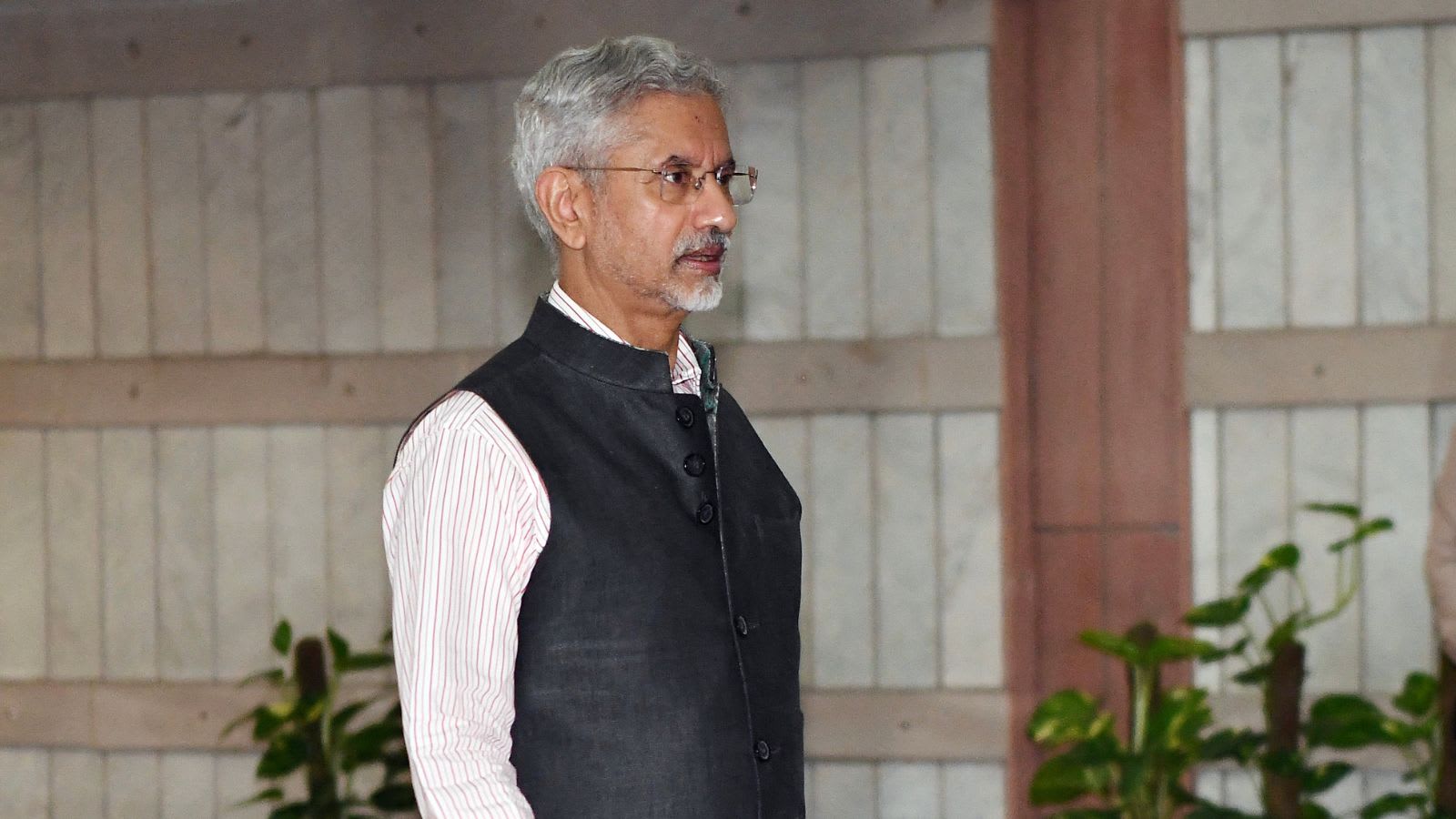
External Affairs Minister S. Jaishankar has formally urged Iran to cease attacks on merchant vessels following a surge in casualties among Indian nationals in West Asia. This diplomatic move follows similar concerns raised with Ukraine regarding the safety of commercial shipping in the region.
Diplomatic Urgency Amid Regional Escalation
External Affairs Minister S. Jaishankar’s recent communication with Iranian Foreign Minister Syed Abbas Araghchi marks a critical juncture in India’s efforts to protect its citizens amidst the intensifying instability in West Asia. By explicitly demanding an end to attacks on merchant vessels, India is attempting to leverage its diplomatic channels to insulate its maritime workforce from the crossfire of regional hostilities. This move comes on the heels of a sobering disclosure to the Indian Parliament, revealing that 16 Indian nationals have lost their lives and 75 have been injured since February, highlighting the severe human cost of the ongoing regional conflict.
The Human Cost of Maritime Insecurity
The government's admission that 10 of the 16 deceased were seafarers underscores the vulnerability of the Indian merchant marine sector. As global supply chains rely heavily on the freedom of navigation, these attacks have transformed from abstract geopolitical incidents into direct threats to the livelihoods and lives of Indian workers. The high number of casualties necessitates a robust diplomatic response, as India balances its long-standing strategic partnerships with the need to ensure the safety of its citizens operating in volatile zones.
A Multi-Front Diplomatic Strategy
Jaishankar’s outreach is not isolated; it follows a similar conversation with Ukrainian Foreign Minister Andrii Sybiha regarding the safety of cargo vessels. This dual-track approach demonstrates that New Delhi is treating the protection of commercial shipping as a non-negotiable priority, regardless of the parties involved in the conflict. By maintaining open lines of communication with both Iran and Ukraine, India is positioning itself as a pragmatic actor concerned with the humanitarian consequences of regional warfare rather than just the strategic outcomes.
Regional Instability and Global Commerce
The broader implications of these attacks on merchant shipping are profound. West Asia remains a vital artery for global trade, and the targeting of commercial vessels risks inflating insurance costs, disrupting supply chains, and potentially triggering a broader economic crisis. India, as a major consumer of energy and a significant player in the maritime logistics sector, has a vested interest in the de-escalation of hostilities that threaten the freedom of the seas.
Future Trends and Strategic Outlook
Looking ahead, India is likely to continue its 'neutral but proactive' diplomatic posture. While it seeks to maintain its bilateral ties, the rising death toll of Indian nationals will inevitably force a more assertive stance in international forums regarding the protection of civilian maritime workers. We can expect to see increased Indian naval presence for security purposes and continued high-level diplomatic pressure on regional powers to abide by international maritime laws to ensure that the corridors of global trade remain accessible and safe for Indian seafarers.