Congress MP Detained During Jamia Millia Islamia Protests As Students Demand Union Polls
Source Entity
NDTV News Search Records Found 1000
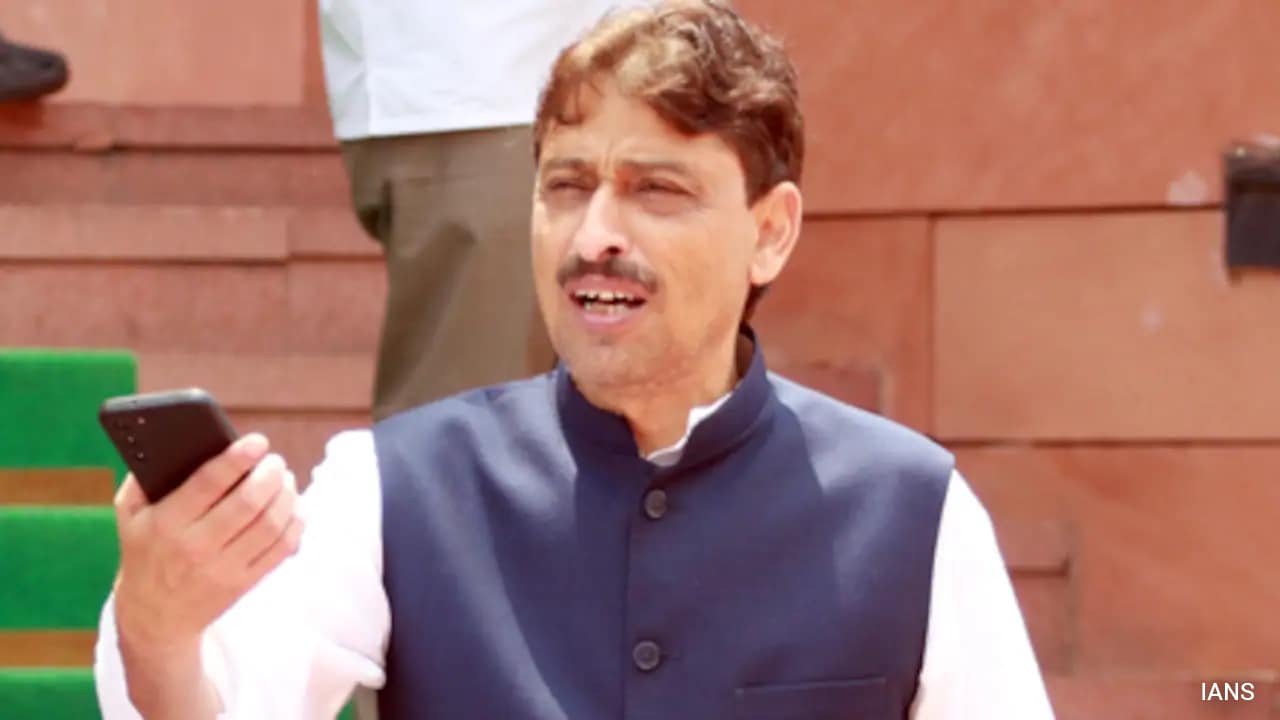
Protests at Jamia Millia Islamia have escalated as students demand the restoration of their long-dissolved students' union. The situation has drawn political intervention, leading to the brief detention of MPs Imran Masood and Mohibbullah Nadvi amid campus tensions.
Escalating Tensions at Jamia Millia Islamia
The ongoing unrest at Jamia Millia Islamia (JMI) reached a critical juncture this week as student protests demanding the restoration of the students’ union entered their thirteenth day. The movement, which centers on the revival of the Jamia Millia Islamia Students’ Union (JMISU)—an institution that has been effectively dormant since its dissolution in 2006—has transformed into a broader debate regarding campus autonomy and democratic representation within central universities.
Political Involvement and Law Enforcement Response
The situation intensified significantly on Friday when Delhi Police intervened to detain ten individuals near the campus. Among those detained was Congress MP Imran Masood, who had arrived to express solidarity with the student body. Furthermore, Samajwadi Party MP Mohibbullah Nadvi was detained while attempting to visit students currently on a hunger strike. Nadvi’s allegations of manhandling by the police have added a layer of political friction, raising concerns about the treatment of elected representatives when engaging with constituents in educational settings.
The Catalyst for Academic Disruption
Following the surge in demonstrations, the university administration has shifted classes to an online-only mode, citing safety concerns. This decision reflects the administration's struggle to balance academic continuity with the volatile atmosphere on campus. The administration's move has been met with skepticism by the student body, who view the shift as an attempt to stifle dissent and discourage the ongoing physical presence of protesters on university grounds.
Allegations and Counter-Narratives
Adding to the complexity of the protest is the controversy surrounding the alleged raising of 'Free Kashmir' slogans on campus. This accusation has become a focal point of the current tensions, drawing sharp reactions from various stakeholders. Both the student protesters and Congress leader Imran Masood have explicitly rejected these claims, characterizing them as attempts to delegitimize the students' primary demand for the restoration of their democratic union rights.
Historical Context of Student Unions in India
The demand for a students' union at JMI is rooted in a long-standing desire for a formal mechanism to represent student grievances to the administration. Since the 2006 dissolution of the union, the lack of an elected body has frequently led to friction between the administration and the student population. The current movement is not merely a localized protest but an echo of broader national dialogues regarding the role of student politics in shaping university governance and fostering democratic participation among the youth.
Future Outlook and Implications
As the protests continue, the situation remains fluid. The intersection of student activism with national political figures suggests that the JMI issue will remain in the public eye. Future trends indicate that unless the administration initiates a formal dialogue regarding the restoration of the union, the cycle of protests, administrative clampdowns, and political interventions is likely to persist, further complicating the academic environment at one of India's premier central universities.
Multiple Citing Sources
Verification Required?