CJP marches in Delhi, demands arrest of 'influencer' for 'cracking skull' of protester
Source Entity
HADI KHAN
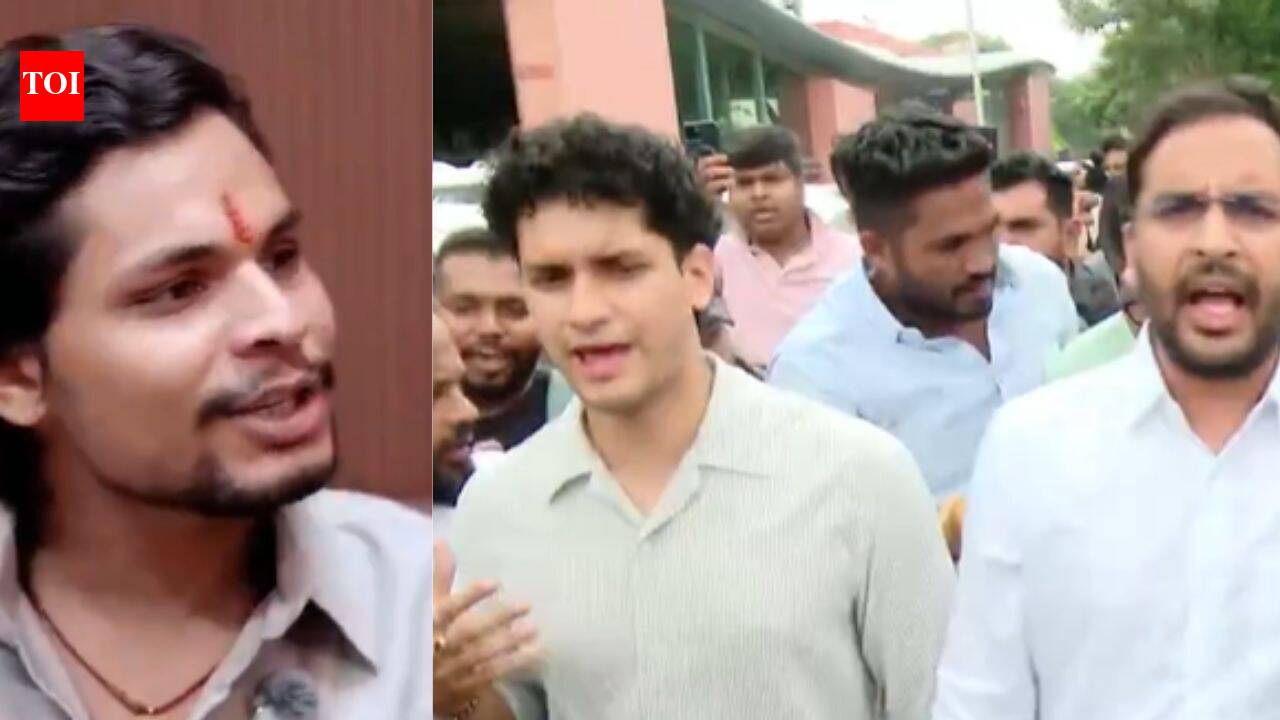
The Delhi Police has denied claims of political interference following an assault incident at a Jantar Mantar protest. Tensions persist as opposition groups demand the arrest of an influencer who allegedly admitted to the violence.
Tensions Erupt at Jantar Mantar: Assault Allegations and Political Fallout
A recent protest at Jantar Mantar, organized by the Cockroach Janata Party (CJP), has spiraled into a significant controversy involving allegations of physical assault and claims of political partiality. The incident, which occurred on June 23, resulted in a head injury to Sanjay Kumar, a 38-year-old resident of Ghaziabad and the father of a student protester. The situation intensified after an influencer, identified as Swatantra Bhardwaj, allegedly boasted on social media about the assault, leading to widespread public outcry and accusations of institutional inaction.
The Delhi Police Response and Public Scrutiny
In response to the viral nature of the allegations, the Delhi Police issued a formal statement on X (formerly Twitter) to address concerns regarding the investigation. The police categorically denied that there was any political interference in the handling of the case. They asserted that the two individuals accused of the assault were processed in accordance with the law, despite claims circulating online that suggested the injury was downplayed and that political pressure influenced the pace of the investigation.
The Role of Social Media in Political Discourse
This incident highlights a growing trend where social media serves as both a catalyst for protest and a platform for inflammatory rhetoric. The influencer in question reportedly broadcasted claims regarding his lack of legal repercussions, which directly fueled the frustration of the CJP leadership and their supporters. This digital bravado has forced law enforcement into a difficult position, where they must balance standard investigative procedures against the heightened visibility of the incident in the public eye.
Political Mobilization and Opposition Support
Following the incident, the CJP intensified their pressure by marching to the Parliament Street Police Station, demanding the immediate arrest of the accused. The protest drew significant political attention, underscored by the presence of Chandra Shekhar Aazad, president of the Aazad Samaj Party (Kanshi Ram), who arrived to express solidarity with CJP leaders Saurav Das and Ashutosh Ranka. The involvement of broader political figures signifies that this is no longer just a local assault case but a platform for opposition parties to challenge the current administration's accountability.
Broader Implications and Future Trends
The intersection of the alleged caste-based motives mentioned by the CJP and the public confession by the influencer suggests that this case will likely remain a flashpoint for political debate. As police and security forces continue to maintain a presence around the Parliament Street station, the incident serves as a reminder of the volatile nature of public demonstrations in the capital. Moving forward, the transparency of the Delhi Police's investigation will be under intense scrutiny, as the public demand for accountability remains high in an increasingly polarized political climate.