Jantar Mantar protests: What is the legal recourse for doxxing victims in India?
Source Entity
Vineet Bhalla
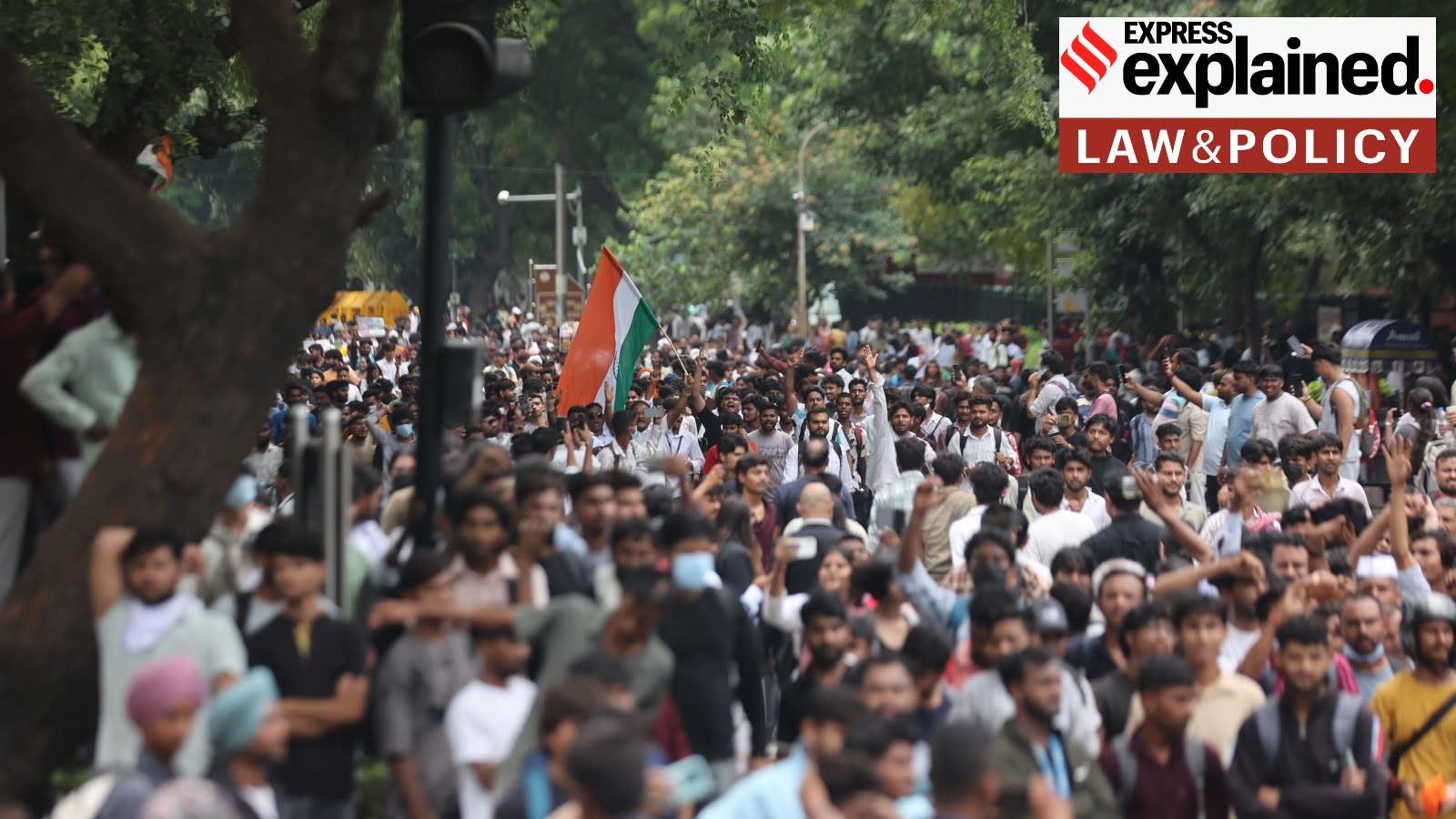
Protestors at Jantar Mantar are facing severe online harassment and doxxing, where personal details are leaked to incite threats. Currently, Indian law lacks a specific anti-doxxing statute, forcing victims to rely on a complex patchwork of existing legal provisions.
The Growing Crisis of Doxxing in Indian Activism
Recent protests at New Delhi’s Jantar Mantar have transitioned from public displays of dissent into a digital battleground. Women participating in these demonstrations have become the primary targets of a coordinated online backlash, where their personal information—including home addresses and phone numbers—has been disseminated across social media platforms without consent. This phenomenon, known as doxxing, has evolved from a tool of digital shaming into a weapon for real-world intimidation, leading to a surge in rape and death threats against the protestors.
The Legal Vacuum in Indian Jurisprudence
A critical issue highlighted by this situation is the absence of a dedicated anti-doxxing law in India. While the act of exposing private information serves as a clear mechanism for harassment, the term 'doxxing' does not exist as a standalone criminal offence under the Bharatiya Nyaya Sanhita (BNS). This legislative gap leaves victims in a precarious position, as they cannot simply file a complaint for 'doxxing' and must instead rely on a patchwork of existing, often indirect, legal provisions to seek justice.
Navigating the Patchwork of Statutes
Because there is no specific statute, legal experts suggest that victims must navigate various sections of the Information Technology (IT) Act and the BNS. These laws were largely drafted before the modern epidemic of social media-driven harassment. Consequently, lawyers often have to frame these incidents under broader categories of 'criminal intimidation,' 'outraging the modesty of a woman,' or 'publishing obscene material,' which can be difficult to prove in court when the harassment is orchestrated through fragmented digital interactions.
The Broader Implications for Democracy
The implications of this trend extend far beyond the individual victims. When protesters are subjected to doxxing, it creates a 'chilling effect' on democratic participation. If the cost of public dissent includes the compromise of one’s safety and the safety of one's family, citizens may become hesitant to exercise their constitutional right to protest. This erosion of the public square undermines the fundamental democratic fabric of the nation, as digital mob rule begins to dictate who feels safe enough to speak out.
Future Trends and the Need for Reform
As digital harassment continues to evolve, the demand for targeted legislative reform is growing. Future trends suggest that unless India adopts specific data protection and anti-harassment laws that address the nuances of digital doxxing, the burden of protection will continue to fall on the victims. Legal scholars advocate for a more robust framework that holds platforms accountable for the rapid spread of sensitive personal data and provides a swifter, more specialized legal pathway for those targeted by digital mobs.
Conclusion
The harassment of Jantar Mantar protesters serves as a stark reminder of the dangers posed by the weaponization of personal data. While the legal community continues to patch together existing statutes to provide relief, the long-term solution requires a modernized approach to cybercrime. Protecting the right to dissent in the digital age will necessitate a legal evolution that prioritizes individual safety over the unchecked dissemination of private information.