Terms of Trade | Why Jantar Mantar matters for India
Source Entity
Latest News: Todays Latest News Headlines from India & World | Hindustan Times | Hindustan Times
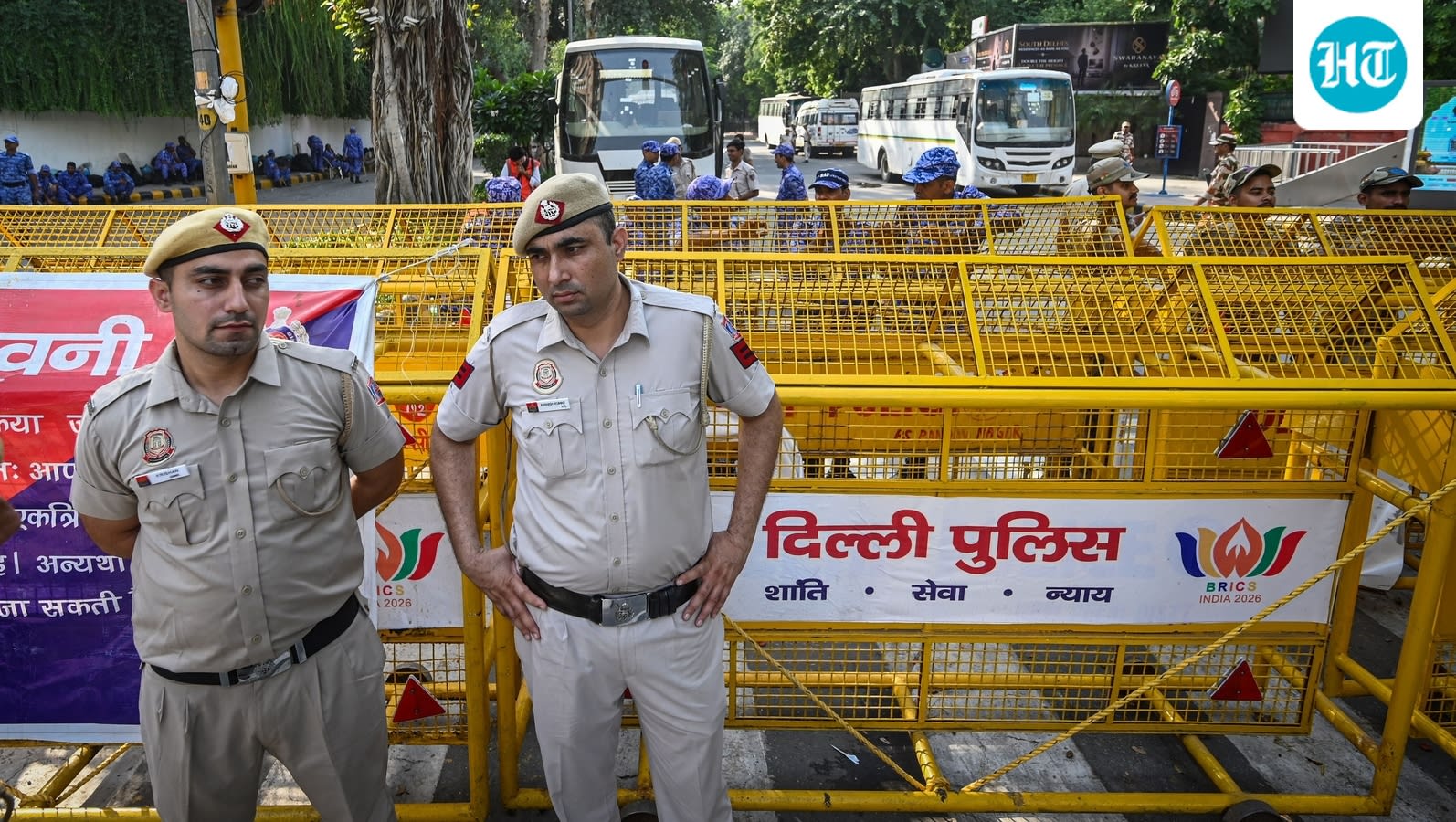
The Indian government's decision to de-notify Jantar Mantar as a protest site marks a significant shift in the landscape of public dissent in Delhi. This move risks marginalizing citizen voices by removing a historic, centralized space for democratic expression.
The Erosion of Democratic Spaces in Delhi
The recent decision by the Union government to de-notify Jantar Mantar as a designated protest site signifies a profound shift in the relationship between the Indian state and public dissent. For over three decades, this iconic location served as the primary stage for citizens to voice grievances, effectively acting as a pressure valve for the democratic process. By removing its official status, the administration has effectively signaled a move away from the traditional, centralized visibility of protest, pushing dissent toward the city's periphery.
Jantar Mantar as a Symbol of Democratic Health
Historically, Jantar Mantar functioned as more than just a street corner; it was a soft symbol of democracy, standing alongside constitutional guarantees as a pillar of public accountability. Its importance was rooted in its accessibility and its location in the heart of the national capital. When spaces for protest are centralized, they force the government to confront the visual and auditory reality of public discontent, thereby maintaining a necessary friction that prevents authoritarian drift.
The Decline of Mediating Spaces
This de-notification is part of a broader trend of losing spaces that once facilitated cross-partisan interaction. Similar to the removal of the Central Hall of the old Parliament in the transition to the new building, the loss of these shared physical environments diminishes the opportunities for dialogue across the political divide. Historically, events like Holi Milans or Iftar parties served as social lubricants, softening the edges of hard political discord. As these spaces vanish, the political landscape becomes more polarized and fragmented.
Implications of Pushing Protest to the Periphery
By forcing protesters to the outskirts of Delhi, the government increases the logistical and visibility costs of dissent. When protests are relegated to the margins, they lose their immediate impact on the public consciousness and the policymakers they intend to influence. This spatial displacement threatens to render protest a performative ritual rather than a catalyst for policy change, potentially leading to increased frustration among citizen groups who find their voices effectively silenced by distance.
A Comparative Perspective on Democracy
India stands as a unique outlier among post-colonial nations, maintaining a democratic framework that has survived significant political and economic shifts. However, as the author notes, the current democratic infrastructure is struggling under the weight of new technological fault lines and changing political economies. The decision to restrict Jantar Mantar reflects a growing tension between state control and the fundamental democratic right to public assembly.
Future Trends and Concluding Thoughts
As we look forward, the trend toward restricting public spaces suggests that the future of Indian democracy may rely less on traditional physical protest and more on digital activism. However, the loss of physical presence in the capital's center is a substantial blow to the tactile nature of democracy. Without deliberate efforts to maintain accessible forums for debate and dissent, the 'lost causes' that once found a home at Jantar Mantar may find themselves increasingly disconnected from the corridors of power, leading to an uncertain future for participatory governance.
Verification Required?