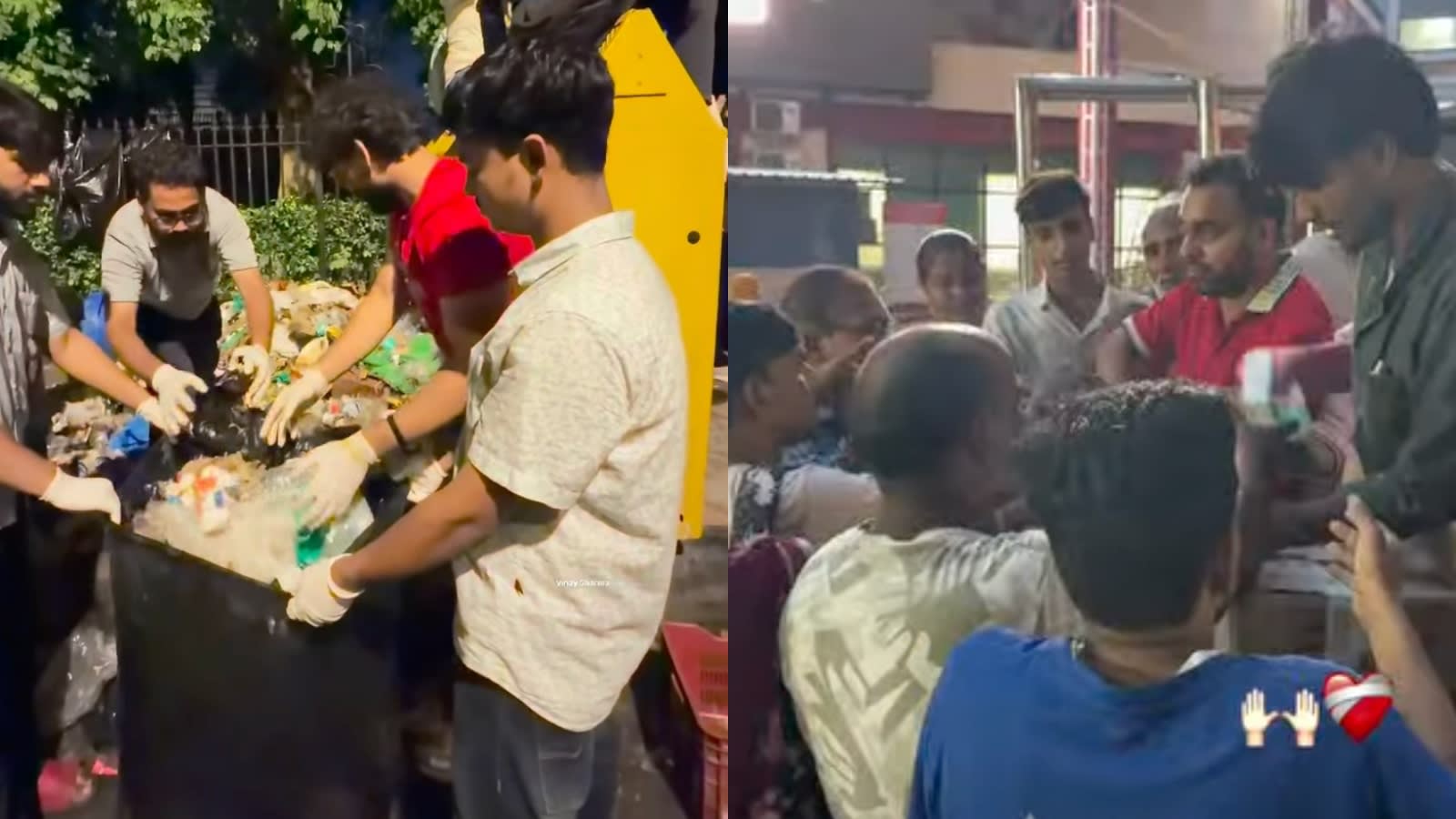
Using discarded wrappers, cops trace outlets sending food to Jantar Mantar protest site
Source Entity
Aanchal Magazine, Soumyarendra Barik
Protesters at Jantar Mantar face intense surveillance via AI-powered facial recognition vans alongside a critical shortage of basic sanitation and water facilities. Legal experts highlight that while police maintain public order powers, they remain bound by constitutional principles of proportionality amidst ongoing protests.
The Surveillance State at Jantar Mantar
The ongoing protests at Jantar Mantar have transformed into a high-tech monitoring zone as the Delhi Police deploy advanced surveillance assets, including DP-Dristhi and Ikshana mobile vans. These units utilize AI-assisted facial recognition to process live CCTV feeds against criminal databases, creating an environment of digital oversight that has deeply unsettled participants. For many, particularly students like Anushka, the presence of such pervasive technology acts as a deterrent, raising significant concerns about the psychological impact of being constantly monitored while exercising democratic rights.
The Erosion of Basic Human Dignity
Beyond the digital gaze, protesters are contending with a severe infrastructure crisis. Women, in particular, are struggling with the lack of clean, accessible toilets and a disrupted water supply. This logistical failure is not merely an inconvenience; it represents a fundamental barrier to participation. As highlighted by protesters like Harishma, the inability to meet basic hygiene needs forces many to vacate the site, effectively diluting the collective voice of the demonstration and hindering the work of volunteer medical teams on the ground.
The Legal Gray Zone of Crowd Control
Recent allegations of police brutality during protests by the Cockroach Janta Party (CJP) have spotlighted the ambiguity in India’s legal framework regarding crowd control. While the Bharatiya Nagarik Suraksha Sanhita (BNSS) provides the police with the authority to disperse unlawful assemblies, there is a notable absence of statutory mandates requiring body-worn cameras or compulsory videography of these operations. This legislative gap leaves the enforcement of human rights largely dependent on judicial precedents rather than clear, codified rules.
Constitutional Bounds and Proportionality
Although the legal framework remains fragmented, constitutional courts have consistently ruled that police power is not absolute. The principles of legality, necessity, and proportionality serve as the primary constraints on state action. The deployment of advanced surveillance tech versus the neglect of basic human amenities presents a paradox: the state possesses the capacity for high-level technical monitoring, yet fails to provide the basic public utilities necessary to sustain a peaceful assembly under humane conditions.
Future Trends and Implications
Looking forward, the intersection of AI-driven surveillance and public dissent is likely to remain a flashpoint in Indian politics. As facial recognition technology becomes more integrated into routine policing, the tension between maintaining public order and protecting individual privacy will necessitate a more robust, comprehensive statutory framework. Unless legislative bodies address these gaps—both in terms of surveillance oversight and the standard of care for protesters—the site at Jantar Mantar will continue to serve as a microcosm of the broader struggle between state power and civil liberties.
Multiple Citing Sources