‘We’re here for the kids’: How Mumbai’s Gen Z paperleak protest became a family affair
Source Entity
Sabah Virani, Pallavi Smart
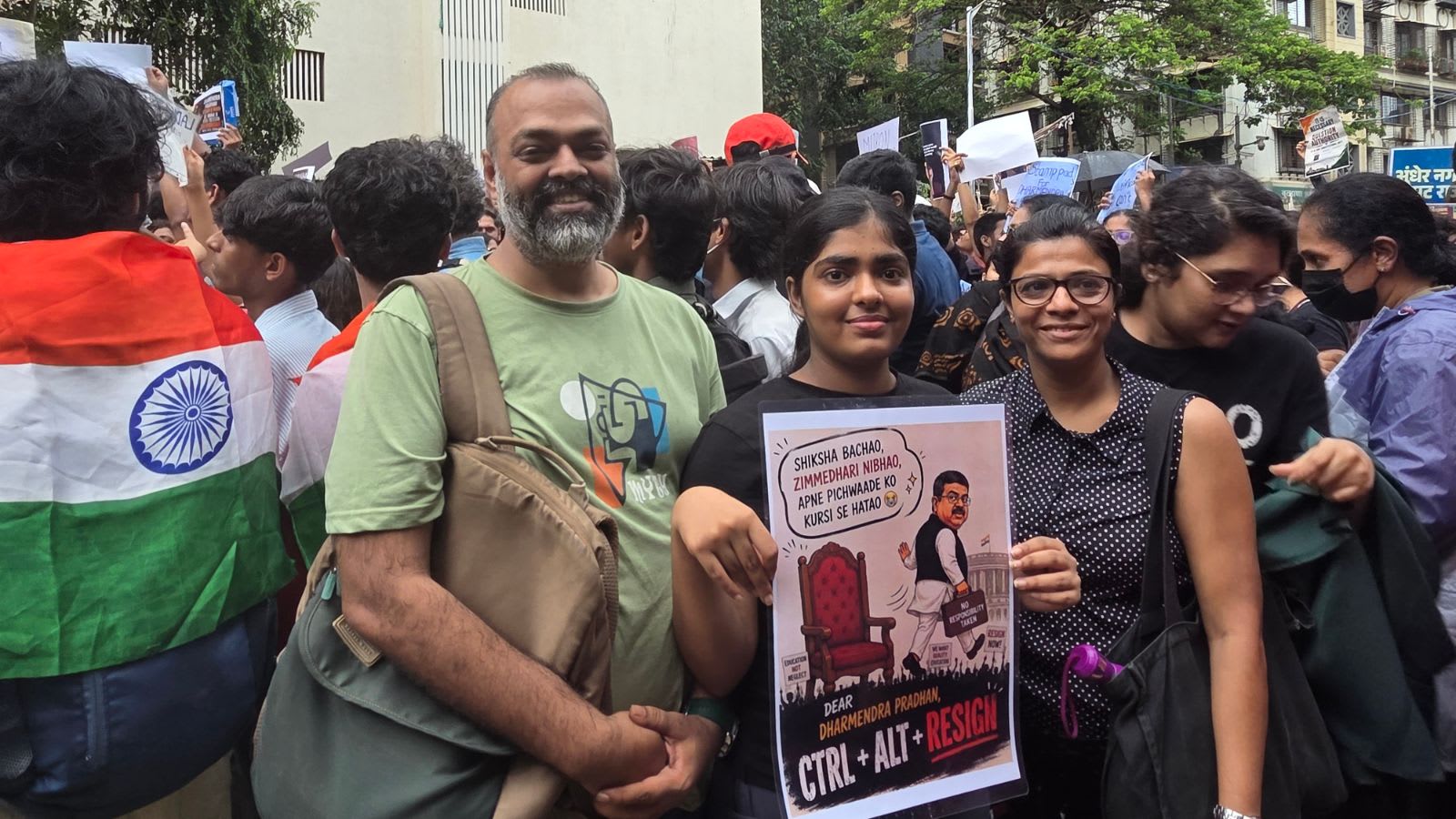
A large-scale, youth-led protest at Jantar Mantar continues to grow, with demonstrators demanding the resignation of Union Education Minister Dharmendra Pradhan. Despite ongoing government talks, the agitation has gained momentum, highlighting widespread anxiety among Gen Z regarding unemployment and career prospects.
The Gathering Storm at Jantar Mantar
The protest site at Jantar Mantar in New Delhi has transformed into a focal point of national discourse as a month-long agitation reaches a critical mass. Despite the conclusion of activist Sonam Wangchuk’s hunger strike and the initiation of a second round of negotiations between the central government and the Cockroach Janta Party (CJP), the atmosphere remains decidedly defiant. By the evening of July 24, 2026, the density of the crowd was such that attendees faced wait times of up to 100 minutes in queues stretching as far as the Janpath metro station on Tolstoy Marg.
A Coalition of Dissent
What began as a localized movement has expanded into a diverse coalition. The presence of lawyers, NGO workers, farmer unions, and activists from various states underscores the broad-based appeal of the demonstration. This assembly is not merely a collection of individuals but a structured expression of collective grievances, with participants arriving from as far as Madhya Pradesh to ensure their demands—most notably the resignation of Union Education Minister Dharmendra Pradhan—are heard by the central administration.
The Gen Z Factor and Economic Anxiety
At the heart of this movement is a palpable sense of generational anxiety. The profile of the average protester, exemplified by 21-year-old engineering student Shivam, highlights the precarious nature of the youth job market. Faced with the reality that many senior graduates are forced into gig-economy roles—such as delivery partnerships—rather than professional engineering positions, young protesters are vocalizing a deep-seated fear regarding their future. This economic insecurity is a primary driver behind the persistent, high-energy turnout at the protest site.
The Constitutional Context of Protest
Public discourse surrounding the agitation has inevitably turned toward the legitimacy of the protests. Intellectual commentary, such as that provided by Ram Madhav, reinforces that within the framework of a democracy, dissent is not only permitted but protected under Article 19 (1) (a) of the Indian Constitution. While acknowledging the right to freedom of speech and expression, there remains an ongoing debate regarding the necessity of maintaining discipline, contrasting the peaceful nature of these demonstrations with the clandestine or violent dissent often seen in non-democratic systems.
Implications and Future Trends
As the CJP delegation continues its dialogue with the government, the trajectory of this protest remains uncertain. The sheer scale of the crowds—jam-packed and resilient—suggests that the movement has successfully tapped into a broader dissatisfaction that transcends specific political affiliations. Should the government fail to address the underlying concerns regarding educational policy and youth unemployment, the momentum at Jantar Mantar is likely to persist, potentially setting the stage for more widespread civil engagement or further institutional friction in the coming months.
Conclusion
The protests at Jantar Mantar serve as a barometer for the current state of youth sentiment in India. By bridging the gap between specific policy demands—such as the resignation of the Education Minister—and systemic issues like the job crisis, the movement has solidified its place in recent political history. Whether through successful negotiation or continued civil defiance, the agitation has already achieved the status of a significant landmark in contemporary Indian social activism.
Multiple Citing Sources