Japan Wants Its Own CIA-Like Spy Agency. China Is One Big Reason Why
Source Entity
NDTV News Search Records Found 1000
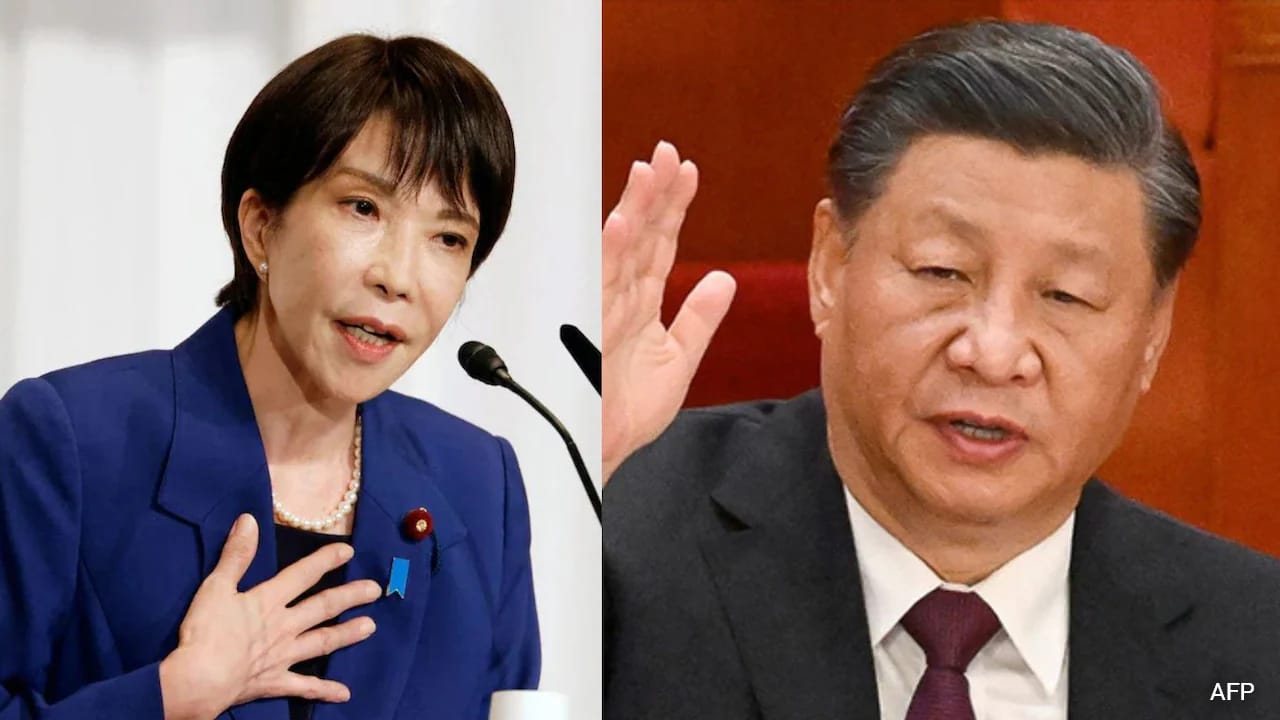
Japan is considering the creation of a centralized intelligence agency modeled after the CIA to counter escalating regional security threats. This shift marks a significant departure from the nation's long-standing post-war policy of strategic restraint.
Japan’s Strategic Shift Toward Centralized Intelligence
Japan is currently contemplating a fundamental transformation of its national security apparatus by establishing a centralized intelligence agency, frequently compared to the United States’ Central Intelligence Agency (CIA). This proposed shift represents a seismic departure from the nation’s post-war identity, which has been defined by a constitutionally mandated policy of pacifism and extreme caution regarding military and clandestine activities. By moving toward a more robust, independent intelligence capability, Tokyo is signaling that the regional security environment has become too volatile to rely solely on decentralized or secondary information gathering.
The Catalyst: Addressing the China Factor
The primary driver behind this structural overhaul is the increasingly assertive posture of the People's Republic of China. As geopolitical tensions rise in the East China Sea and across the Taiwan Strait, Japanese policymakers have identified a critical vulnerability in their current intelligence-sharing mechanisms. The need for a dedicated agency stems from the requirement to synthesize real-time data on Chinese naval movements, cyber-espionage efforts, and regional influence operations. By centralizing these efforts, Japan aims to provide its leaders with the actionable intelligence necessary to navigate a complex and often hostile neighborhood.
Breaking Decades of Post-War Caution
For nearly eight decades, Japan’s approach to foreign policy has been characterized by a deliberate downplaying of aggressive intelligence-gathering to avoid alarming neighbors or violating the spirit of its pacifist constitution. This 'post-war caution' has long served as a cornerstone of Japan's diplomatic strategy, helping to build trust in the Asia-Pacific region. However, the current geopolitical climate, marked by rapid military modernization in neighboring states, has forced a pragmatic re-evaluation of this stance. The transition signifies that Tokyo no longer views passive observation as a viable strategy for maintaining national sovereignty.
Broader Implications for Global Alliances
Establishing a CIA-like agency would likely deepen Japan's integration within the Five Eyes intelligence-sharing network and strengthen its cooperation with the United States. A more capable Japanese intelligence service would shift the burden of information gathering, allowing for a more equitable partnership between Tokyo and Washington. This evolution suggests a future where Japan plays a more proactive role in maintaining the 'Free and Open Indo-Pacific' initiative, acting as a primary node for regional security analysis rather than a secondary partner.
Future Trends and Strategic Outlook
Looking ahead, this development suggests that Japan is preparing for a future where traditional diplomacy must be backed by sophisticated intelligence capabilities. If the proposal proceeds, we can expect to see Japan increase its investment in satellite reconnaissance, human intelligence (HUMINT) training, and signal intelligence (SIGINT) infrastructure. This move will likely trigger diplomatic friction with Beijing, but it also reflects a broader trend of middle powers in the Indo-Pacific region taking greater responsibility for their own national security in an era of great power competition.
Conclusion
In summary, Japan’s potential move to establish a centralized intelligence agency is a historic pivot. It reflects an acknowledgment that the post-war era of strategic passivity is no longer compatible with the modern realities of the Indo-Pacific. As Tokyo balances its constitutional constraints with the necessity of national defense, the creation of such an agency will remain the most significant indicator of Japan's evolving role on the global stage.
Verification Required?