ICC top prosecutor removed over sexual misconduct allegations
Source Entity
BBC News
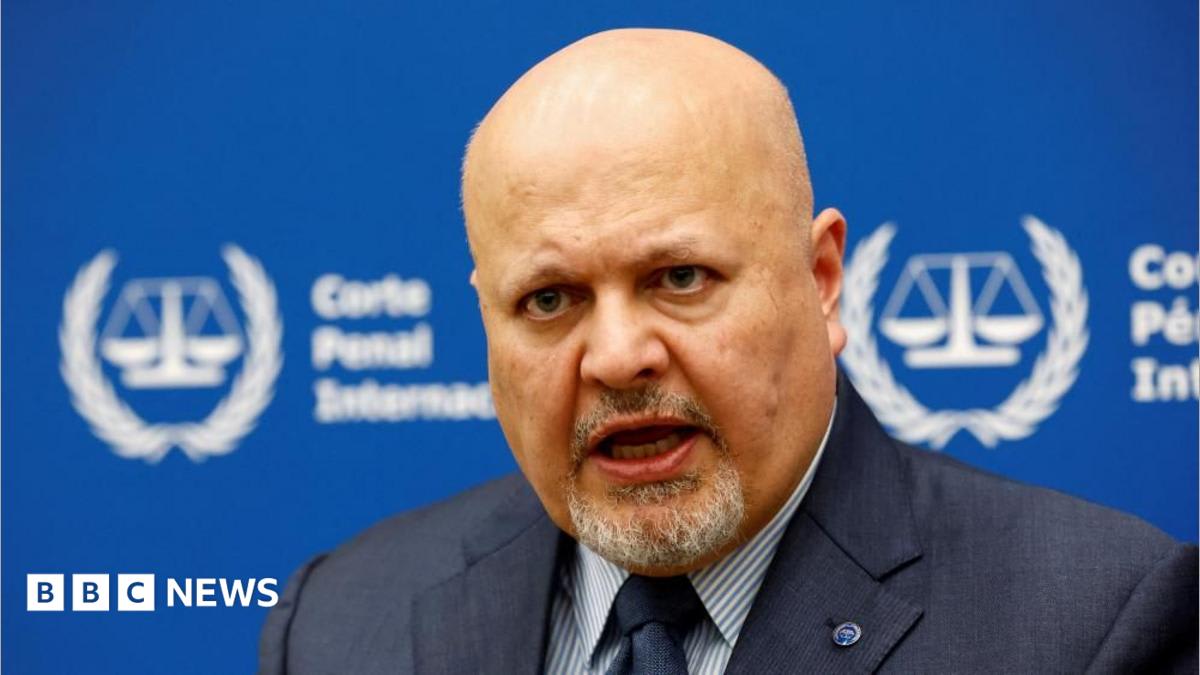
The International Criminal Court has officially dismissed chief prosecutor Karim Khan following a vote by member states. The decision follows findings of serious misconduct involving an improper relationship with a junior staff member.
The Dismissal of Karim Khan: A Landmark Moment for the ICC
The International Criminal Court (ICC) has reached a definitive turning point with the formal removal of its chief prosecutor, Karim Khan. Following a decisive vote of 82 member states, the court has officially severed ties with the British barrister, who had been serving in the role since his election in 2021. This development marks the culmination of a two-year period of instability and scrutiny surrounding the integrity of the court’s leadership.
The Core Allegations and Findings
At the center of this controversy are findings from the court’s own oversight body, which concluded in June that Khan had engaged in an improper sexual relationship with a junior staff member. Beyond the nature of the relationship itself, the investigation highlighted a significant abuse of power, specifically identifying that Khan sought to obstruct the complainant from pursuing her grievances. These actions were classified by the oversight body as a serious breach of duty and professional misconduct, undermining the very principles of justice the ICC is tasked to uphold.
Defiance and Legal Challenges
Despite the gravity of the findings and the subsequent vote to oust him, Karim Khan has remained steadfast in his denials. Throughout the investigative process and the lead-up to the final vote, Khan characterized the allegations as unfounded. His legal counsel has indicated that the former prosecutor intends to contest the validity of his removal, citing concerns regarding the fairness and lawfulness of the proceedings. This sets the stage for a complex legal battle that could test the internal appellate mechanisms of the court.
Broader Implications for Global Justice
The removal of a chief prosecutor is an unprecedented event in the history of the ICC, raising critical questions about institutional accountability. As the body responsible for investigating the world’s most heinous atrocities, the ICC relies heavily on the perceived impartiality and moral standing of its leadership. The fact that the governing body took such drastic action suggests a prioritization of institutional integrity over individual tenure, though it inevitably invites scrutiny regarding the court's internal culture.
Historical Context and Future Trends
Karim Khan was elected to a nine-year term in 2021, a period intended to bring stability and a renewed focus on the court's prosecutorial mandate. His removal leaves a leadership vacuum at a time when the ICC is navigating high-profile international cases. The court must now balance the immediate need for a successor while addressing the damage caused by this "damaging episode." Future trends for the ICC will likely involve stricter internal oversight policies and a renewed focus on protecting junior staff from power imbalances, as member states seek to restore confidence in the institution's ability to act as a neutral arbiter of international law.
Conclusion
The ousting of Karim Khan is a sober reminder that international institutions are not immune to the same ethical failures found in other global organizations. As the legal challenges unfold, the international community will be watching closely to see how the court recovers from this crisis and whether it can effectively insulate its future operations from similar controversies.